
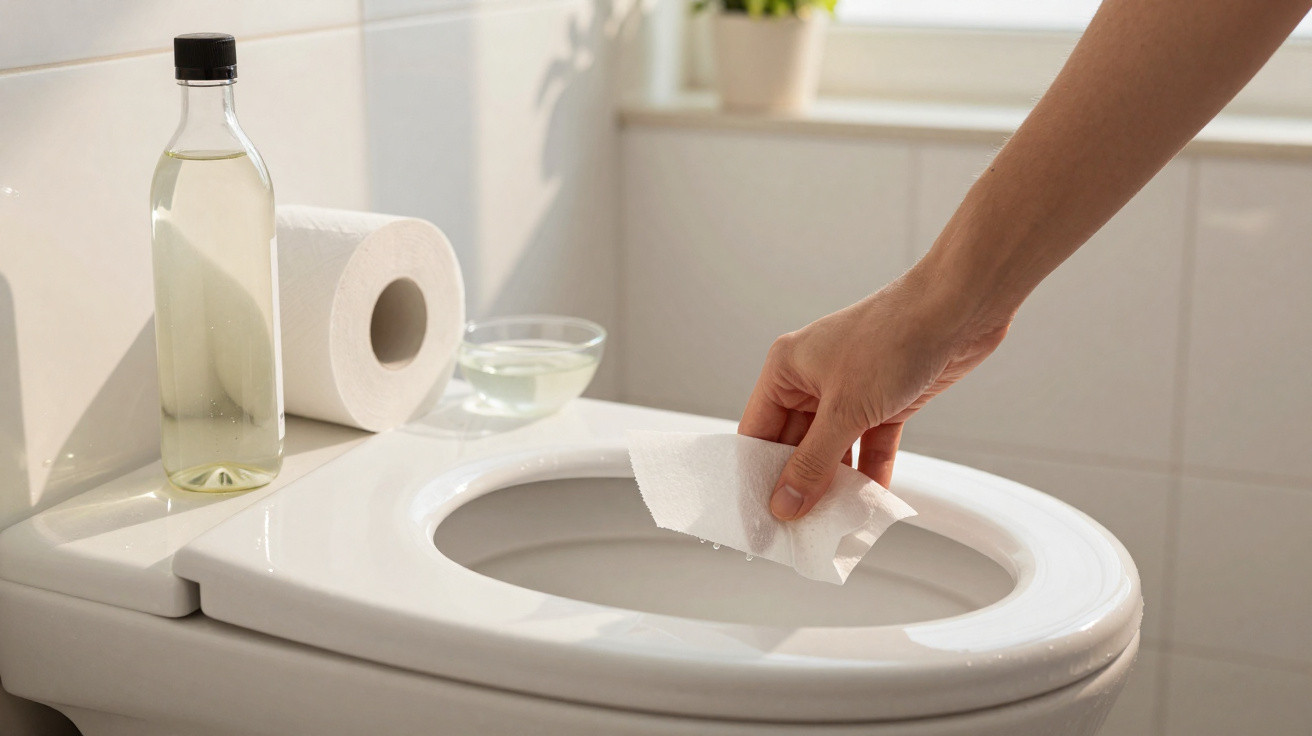
This simple trick turns a bathroom essential into an unexpectedly useful cleaning aid.
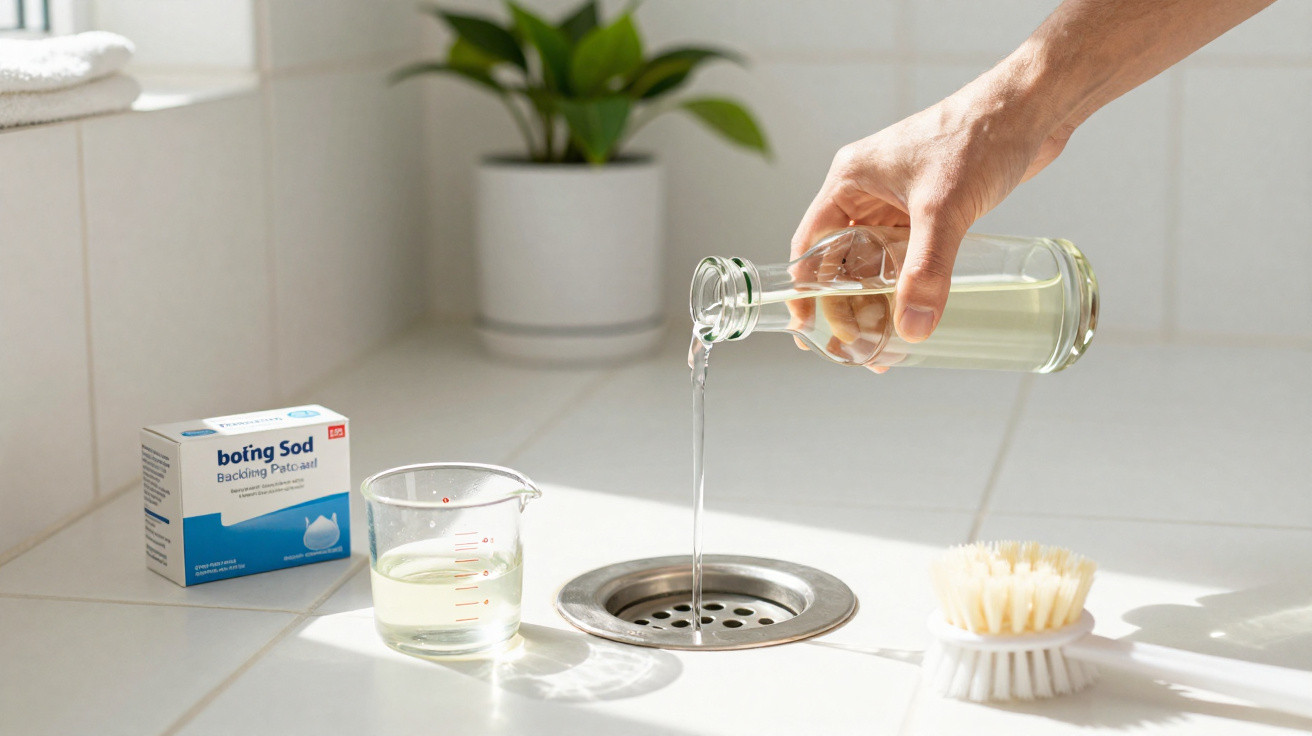
You probably already own both ingredients. One breaks down mineral deposits, while the other keeps the liquid where it is needed. Used together, they reach awkward spots sprays often miss and can reduce the number of plastic-heavy cleaning products in your weekly shop.
Why toilet paper and vinegar work
White vinegar contains acetic acid, a mild acid that dissolves limescale, soap scum and mineral rings stuck to taps, showerheads and toilet bowls. Toilet paper works as an uncomplicated wick and wrap: it moulds to a surface and holds wet vinegar against it long enough to work. There is no need for specialist equipment.
Vinegar does the chemistry; toilet paper solves the contact time problem on vertical and curved surfaces.
Liquid can remain on a flat area for a short time, but it will run away within seconds from a tap neck or beneath a rim. Paper soaked in vinegar stays around these curved areas, keeping the acid in place. Following a brief soak, the loosened residue needs much less scrubbing to remove.
Quick method for limescale
For stubborn deposits, use undiluted white vinegar. Allow 10–30 minutes of contact, depending on the amount of build-up and the hardness of your household water.
- Rip off several sheets, then fold them into a thick band.
- Saturate the band with white vinegar, squeezing it gently until damp rather than dripping.
- Wind the paper around a tap spout, shower arm or persistent limescale ring.
- Leave it for 15 minutes. Increase this to 30 minutes for thick chalky deposits.
- Take off the paper, use it to wipe away the softened scale, then rinse and dry the area.
For toilet bowl rings, press vinegar-soaked paper against the stain under the waterline. Leave it to cling, then brush and flush.
Make simple eco wipes
The same method can provide a lower-waste alternative to wipes for small everyday tasks, including splash marks, fridge shelves and bin lids.
How to set up a small batch
- Place half a toilet roll upright in a reusable container with a secure lid.
- Remove the cardboard tube so you can pull sheets from the centre of the roll.
- Add sufficient white vinegar to moisten the roll throughout, stopping before any liquid collects in the base.
- Seal the container, turn it over briefly to spread the vinegar, and label it with the date.
Take wipes from the middle whenever required. Before using them on shiny finishes, squeeze them lightly to prevent streaking. For greasy kitchen surfaces, add one teaspoon of washing-up liquid to 250 ml vinegar. Leave vinegar undiluted for limescale cleaning so it retains its acidity.
Keep vinegar wipes for light, everyday cleaning. Use separate cloths and a proper disinfectant where hygiene rules apply.
What to clean and what to avoid
| Task | Vinegar strength | Contact time |
|---|---|---|
| Taps and showerheads | Neat | 10–30 minutes |
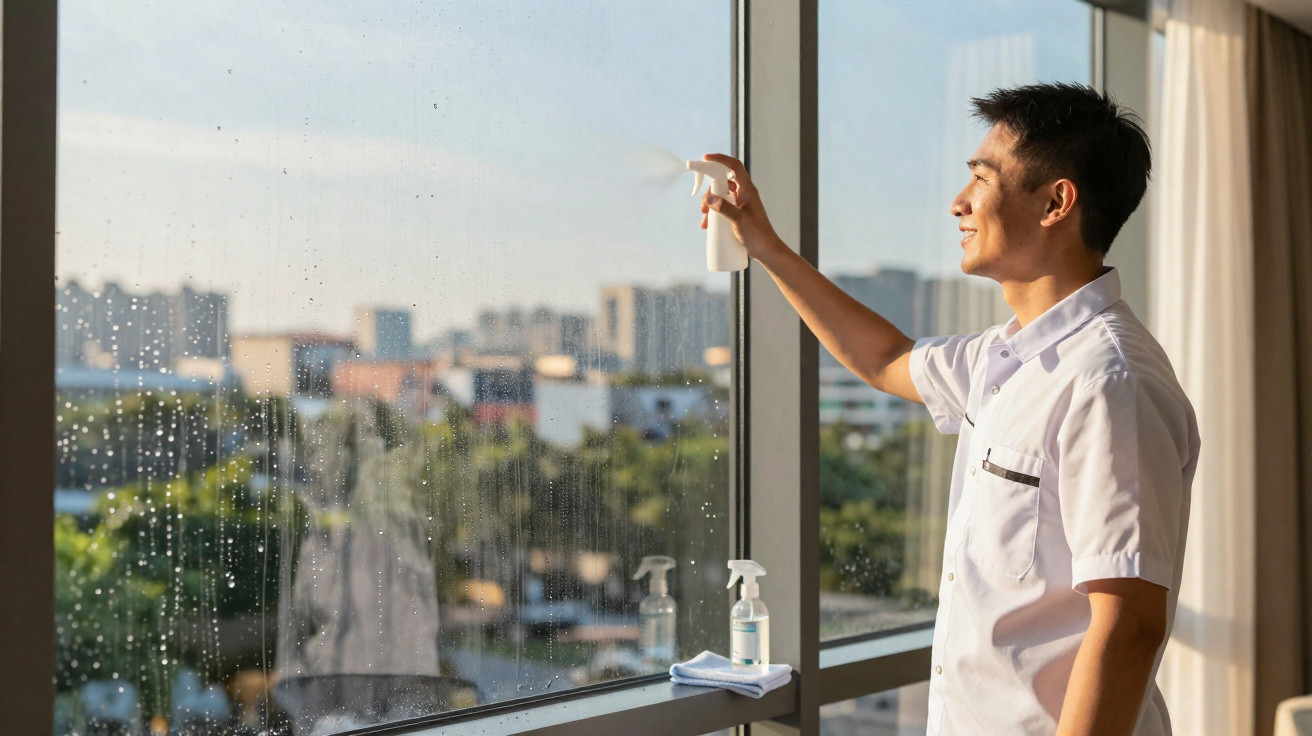
| Glass shower doors | Neat or 1:1 with water | 5–15 minutes |
| Toilet bowl rings | Neat | 20–30 minutes, then brush |
| Fridge shelves, tiles, bins | 1:1 with water | Wipe and dry |
Surfaces that don’t like acid
- Natural stone, including marble, limestone and travertine, may etch, so do not use vinegar on it at all.
- Unsealed grout can gradually weaken; use vinegar only sparingly and rinse it thoroughly.
- Waxed timber and certain rubber seals may lose their finish. Test a discreet small area first.
- Screens and electronic items require purpose-made cleaners. Keep acid and excessive moisture away from them.
Do not combine vinegar with bleach or bleach-containing products. This chemical reaction gives off chlorine gas. Where bleach has been used recently, rinse the surface well and allow it to air before applying any acid.
Does it disinfect?
Vinegar can reduce many everyday bacteria on clean, non-porous surfaces, particularly when used at full strength with adequate contact time. However, it does not satisfy medical disinfection standards for more resilient pathogens. For food-preparation surfaces after raw meat, baby equipment or cleaning up after illness, choose a disinfectant approved for that purpose and follow its specified contact time. Use vinegar instead for limescale, smells and routine freshening.
Costs and savings in the UK
At many supermarkets, white vinegar costs roughly 80p to £1 per litre. A standard tap wrap takes around 50–100 ml, meaning a thorough descale costs less than 10p. Swapping out two tubs of branded wipes each month may save £2–£4 while also reducing plastic canisters. The toilet paper already in your cupboard can do double duty in the bathroom and cleaning caddy.
Smell, storage and disposal
- Its sharp smell disappears as it dries; open a window while cleaning.
- Keep homemade wipes in a sealed container for no longer than two weeks. Add a small splash of vinegar if they begin to dry out.
- If anyone in the home has allergies, avoid strong essential oils. Infusing vinegar with lemon peel creates a milder scent.
- Do not flush wads of soaked paper, as they can affect drains. Small pieces used in the toilet bowl can be flushed, but apply common sense.
Tips for hard water homes
In hard water areas, small regular habits can limit deposits. Wiping shower glass quickly with vinegar after use helps delay cloudiness. Once a month, wrap the showerhead with soaked paper, or remove it and soak it in a jug. Drying taps after each use slows the formation of chalky marks. A microfibre cloth followed by vinegar produces shiny chrome without abrasive powders.
Septic tanks and fixtures
Vinegar degrades quickly and, in normal household quantities, does not damage a healthy septic system. However, lengthy repeated soaks on identical rubber gaskets may reduce their lifespan, so vary your methods. For occasional intensive cleaning, alternate with a pH-neutral cleaner and avoid excessive contact times.
If toilet paper shreds too quickly
Toilet rolls do not all perform alike when wet. Select a marginally stronger two-ply paper for wrapping tasks. When applying it, press with your palm instead of rubbing. On upright glass, use a reusable cotton cloth as the “holder”, placing a strip of toilet paper over it to keep the edges damp. Consistent contact, rather than force, is what matters.
Beyond bathrooms: extra uses that make sense
Kitchen taps and kettle spouts
Wrap a small vinegar-soaked TP strip around the base where dripping water tends to gather. Leave it for 15 minutes, wipe the surface, then buff it dry. To descale a kettle internally, use a 1:1 mixture heated almost to boiling point, leave it for 15 minutes, rinse thoroughly and boil fresh water twice.
Odours and bins
Wiping the inside of a clean, dry bin quickly can help keep unwanted smells under control. The acid neutralises alkaline odours. Let the bin dry in the air before fitting a new liner.
Common mistakes and easy fixes
- Applying too much liquid: the paper breaks down and drips. Solution: soak it, then squeeze it until merely damp.
- Not waiting long enough: the scale remains in place. Solution: increase the contact time and moisten the wrap again.
- Skipping the rinse: glass develops streaks. Solution: rinse it and polish with a dry cloth.
- Treating the wrong material: stone develops dull marks. Solution: keep acid away from sensitive surfaces.
For readers who like to know the why
Limescale consists mainly of calcium carbonate. Acetic acid reacts with it, producing soluble salts and carbon dioxide; this is released as the tiny bubbles sometimes visible on the paper. The reaction loosens the hard layer, allowing a gentle wipe to lift it away. Contact time is important because the acid needs to penetrate the entire deposit rather than only the surface layer.
When to choose something else
For severe rust, use a rust remover or a citric acid paste. When you need streak-free mirrors immediately, opt for a dedicated glass cleaner. For mould in grout, use an oxygen bleach gel, ventilate the space and rinse afterwards. Reserve the toilet paper and vinegar trick for mineral deposits, water marks and everyday freshening.
Comments
No comments yet. Be the first to comment!
Leave a Comment