
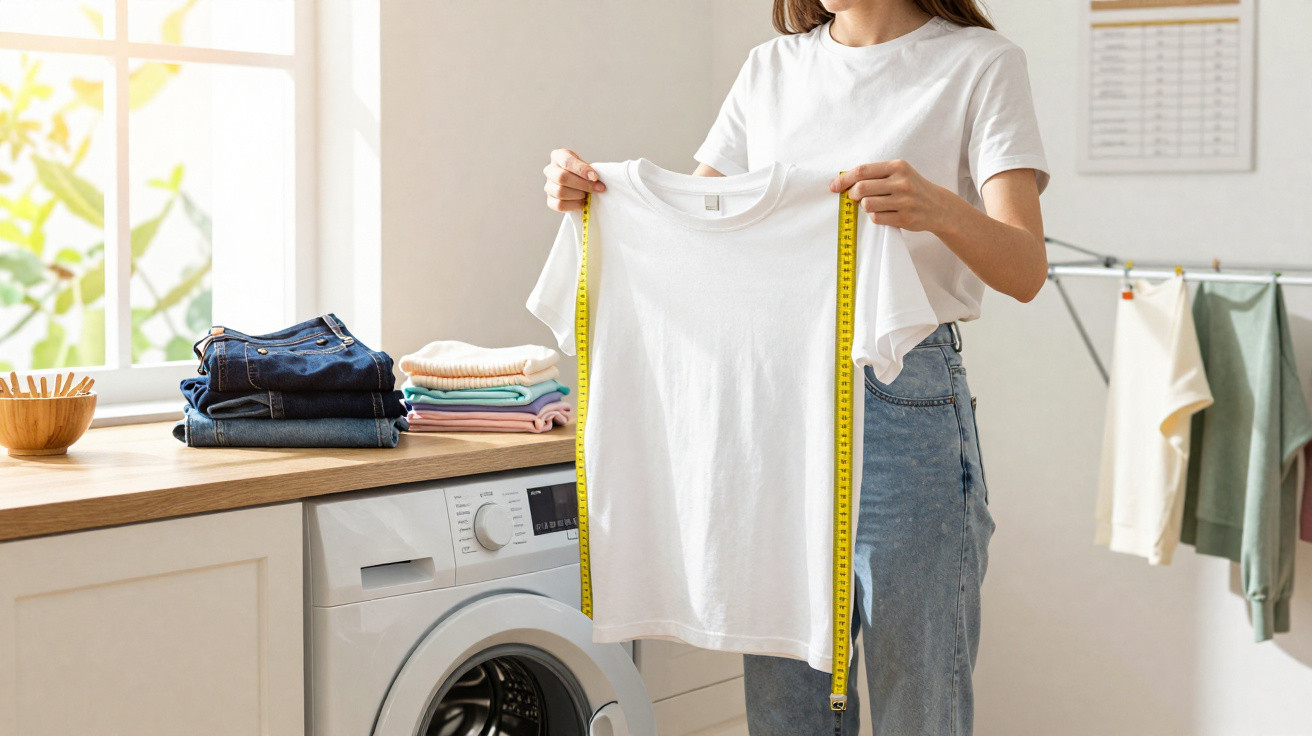
Wearing a favourite garment only to discover that it has shrunk after washing is an all-too-familiar frustration. This common problem stems from the natural behaviour of certain textile materials, which react strongly in particular conditions.
Why do fabrics change size after the first wash?
In the industrial process used to make garments, yarns are placed under considerable tension to ensure the correct shape. Once the item comes into contact with liquids, that tension relaxes and the structure returns towards its original size.
This change is generally more noticeable along the length of a garment than across its width. Knowing how this works can make it much easier to choose new clothes and plan appropriate daily care. Sensitive materials include:
- Cotton: As a plant-based fibre, it commonly shrinks during the first wash.
- Linen: This textured material can shrink considerably, although it becomes more supple with everyday wear.
- Viscose: Because of its manufactured structure, it is regarded as one of the materials most prone to shrinkage.
How can you see fabric shrinkage in practical terms?
To avoid damaging new clothing, it is essential to understand how structural threads behave. Many people buy garments without realising that incorrect handling, including hot water or tumble dryers, can permanently alter the size of beloved tops and trousers.
A highly useful practical measure is to check the recommendations provided on care labels before beginning any home washing routine. Following them helps retain the perfect fit and prevents unpleasant surprises when it is time to wear the chosen outfit.
In the explanatory content below, you will see visual demonstrations of how textile fibres react and learn essential tips shared by the La Proni YouTube channel:
What care should you take before altering the length?
Making sewing alterations immediately after buying a new garment is a frequent mistake that can create unnecessary waste. The item must be properly prepared before it is sent for permanent alterations involving scissors and thread.
Be aware of pre-shrinkage
The golden rule of home sewing
Always wash a newly purchased garment fully before marking up the hem or cutting away excess fabric.
This straightforward precaution stops clothing from becoming too short after its first exposure to water and detergent.
Tailoring professionals often recommend preventive steps that give confidence to people who take dedicated care of their own wardrobes. Establishing good washing routines safeguards your financial investment through the following actions:
- Soak the fabric in cold water for a few hours to allow the fibres to settle.
- Dry the garment naturally in the shade, without using intense sources of direct heat.
- Press the fabric with a warm iron before taking it for final marking.
How can you prevent sensitive fabrics from shrinking in the tumble dryer?
The high internal temperature of modern appliances directly and aggressively speeds up the shrinkage of natural cotton and linen fibres. For this reason, controlling heat levels is the key to keeping garments consistently impeccable.
By adopting conscious practices in everyday washing, you reduce the risk of losing special clothes that have only recently been bought. To protect the physical integrity of every garment, consider the key recommendations in this protective list:
- Use cold-water wash cycles to avoid stressing plant-based fibres.
- Choose gentle drying programmes with lower temperatures and monitor them closely.
- Remove garments while they are still slightly damp, then finish drying them on an airy clothes line.
Why does denim react differently during washing?
Denim undergoes intensive industrial processes in laundries before it reaches shop shelves for the end consumer. This preliminary stage removes the material's natural stiffness and produces the expected shrinkage in advance.
As a result, trousers made from this durable material rarely experience dramatic size changes during normal cleaning cycles at home. This makes household organisation and clothing care much simpler.

Comments
No comments yet. Be the first to comment!
Leave a Comment