
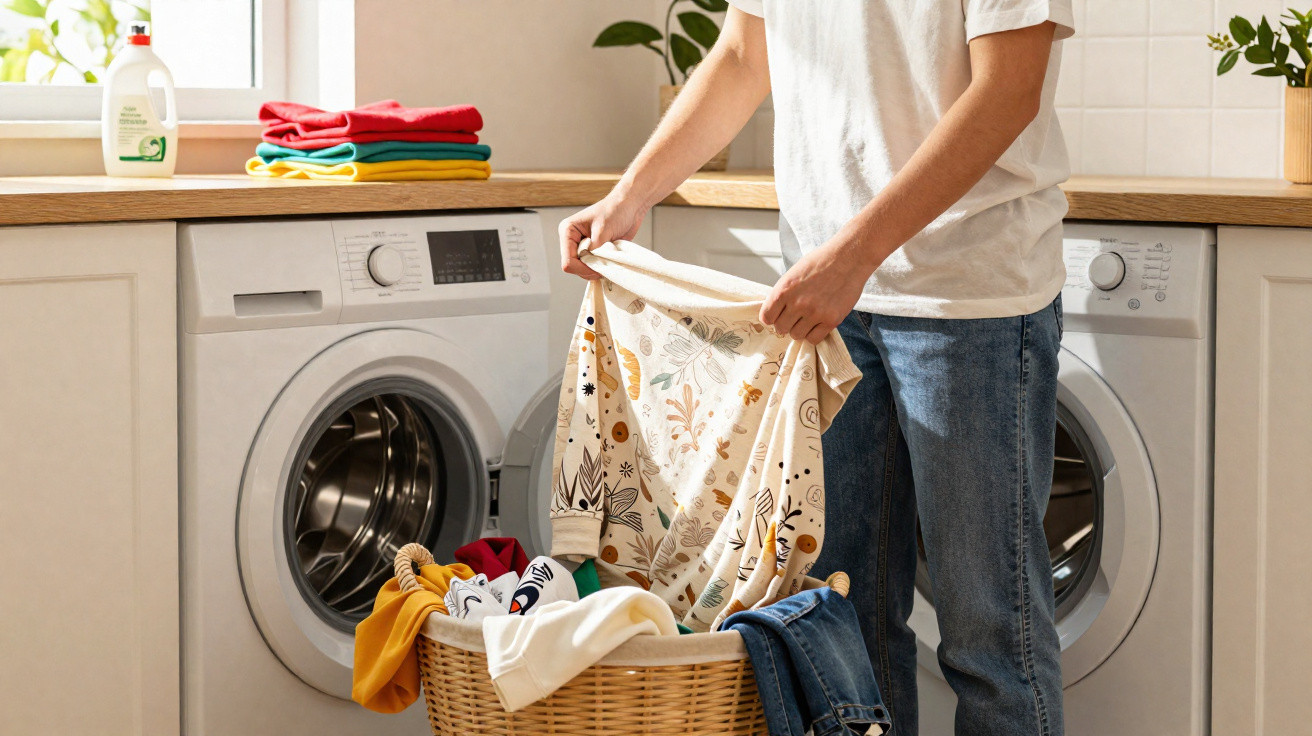
Turning certain garments inside out before putting them in the washing machine is a straightforward habit that can substantially extend the life of fabrics. It helps retain the outer appearance, safeguards colours and prints, and improves the cleaning of areas that come into direct contact with skin. However, the right washing method depends on the garment type, fabric and degree of soiling.
Why does washing clothes inside out help fabrics last longer?
As the machine washes, its movement creates continual friction between zips, buttons, fibres and seams. This can cause fading, bobbling, and damage to prints and decorative details. When a garment is turned inside out, its visible surface is shielded while the inner side takes most of the friction, limiting the gradual damage that builds up over time.
Washing garments inside out also makes it easier to clean the areas that collect the most sweat, body oils and deodorant residue, such as T-shirt underarms and trouser waistbands. Water and detergent can therefore reach these surfaces directly, removing odours more effectively and helping frequently worn clothes retain a well-kept appearance for longer.
Watch a video on the Mum’s Tips YouTube channel about the benefits of washing black and coloured clothes inside out to protect the fabric, prevent bobbling and preserve colour for longer:
https://www.youtube.com/watch?v=m_09zT1hC7E
Which types of clothing benefit most from being washed inside out?
Although not every item needs identical care, some categories benefit greatly from being turned before washing. This is useful both for keeping colours and prints intact and for protecting delicate fibres from the drum’s constant friction.
Here are practical examples of garments for which it is worth following this practice whenever possible:
- Jeans and denim garments: trousers, skirts and jackets hold on to their colour more effectively and are less likely to develop pale patches.
- Black clothing and dark shades: reducing direct friction helps stop black fabric from looking “dull”.
- T-shirts with prints, logos and appliqués: washing inside out protects screen prints, printed designs, and glued or embroidered details.
- Colourful and vibrant clothing: red, purple, yellow and similar shades keep their brightness for longer.
- Sportswear and technical clothing: leggings, sports bras and training T-shirts are cleaned more thoroughly on the inside.
- Underwear and pyjamas: lace and elastic are better protected, while the inside receives more effective cleaning.
- Knits, knitted garments, wool and textured fabrics: washing inside out on a delicate cycle reduces bobbling and wear on the surface.
When is it not advisable to wash clothes inside out?
There are occasions when turning a garment inside out is not the best approach, particularly if the dirt is concentrated on the outside. Food, drink, mud or paint stains need to be directly exposed to water, detergent and, where required, specialist stain-removal products.
Heavily soiled workwear, such as clothing worn on building sites, for gardening or for agricultural work, often gathers substantial residue on the outer surface and may not be cleaned properly if turned inside out. Towels, bed linen and basic hard-wearing cotton T-shirts generally cope well with direct friction, although very dark items can still be turned inside out as a precaution to slow fading.
How can you create a practical daily routine for washing clothes inside out?
To make this practice part of your routine without adding complications, incorporate it when sorting laundry. Checking care labels, colours and fabric types makes it easier to decide quickly which pieces should be turned and which should not, so the process becomes almost automatic over time.
One useful tip is to keep some items, such as jeans and printed T-shirts, inside out in the wardrobe, making them ready to put straight into the machine. Sorting items by colour and level of soiling, checking pockets, zips and buttons, and selecting the washing machine programme according to the fabric complete the basic care routine for extending the life of clothes without much effort.
Comments
No comments yet. Be the first to comment!
Leave a Comment