
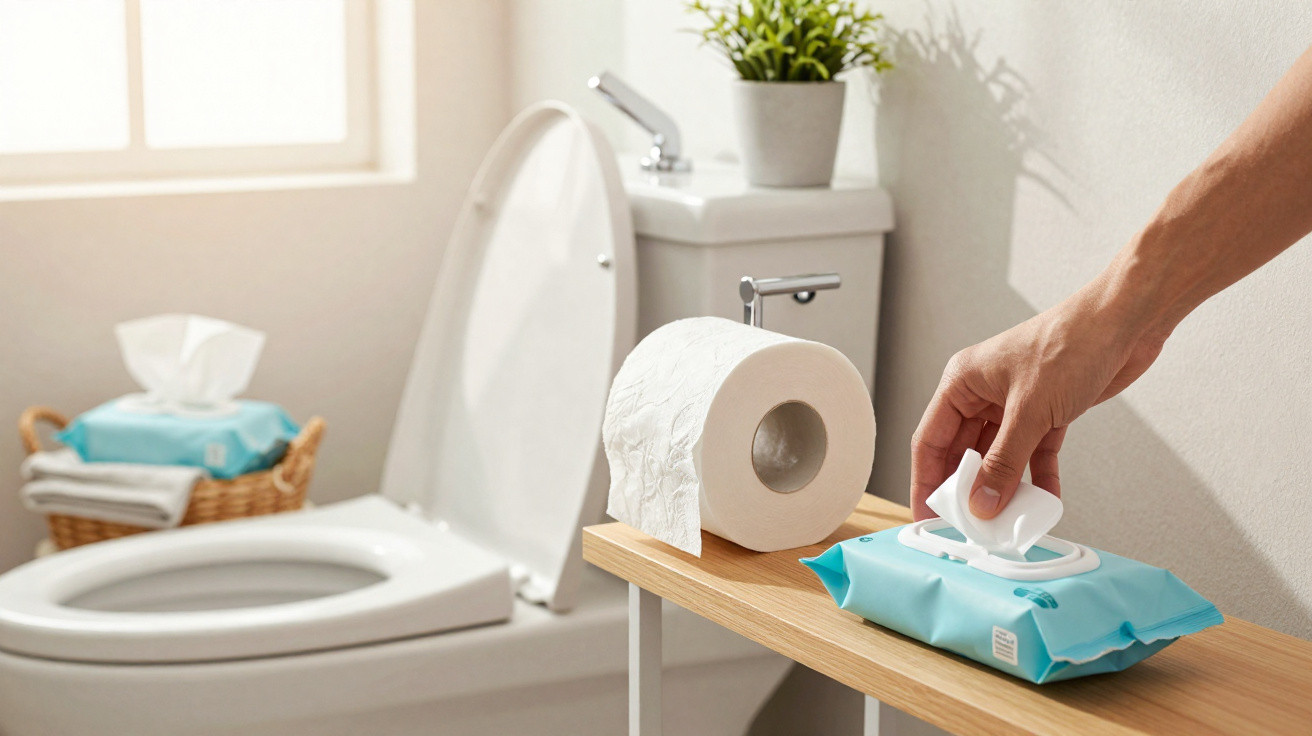
The toilet paper roll may once have seemed irreplaceable, but its reign is beginning to weaken. More and more people are swapping the traditional product for options seen as cleaner and more convenient, with wet wipes leading this shift in behaviour. Interestingly, this change is not driven by a fad, but by hygiene practices that much of the world had adopted long before the West took notice.
Why is toilet paper losing ground?
Toilet paper has been a fixture in Western bathrooms for only just over a century, which is a shorter period than many people realise. The main criticism is straightforward: rather than truly cleaning, it simply spreads residue around. Across much of Asia and the Middle East, washing with water has always been standard, while paper was regarded as an incomplete solution.
What makes wet wipes a more effective option?
Wet wipes combine water, a soft texture and cleansing ingredients in a single product. This creates a fresh feeling that dry paper cannot provide. As a result, they are no longer solely associated with babies and are now available in versions designed for adults.
People who make the switch commonly point to several practical reasons for their preference:
- A greater feeling of cleanliness, as moisture removes residue more easily
- Less friction against the skin, which can help people affected by irritation or haemorrhoids
- Convenience for carrying in a handbag, when travelling or for use in public toilets
- Options containing aloe vera and camomile to soothe the area
Which alternatives are replacing the traditional roll?
Wet wipes are not the only development making its way into bathrooms. The search for better hygiene has created room for solutions that have long been common in other countries and are now gaining popularity. The most sought-after options include:
- A hygienic shower spray, the small spray attachment fitted beside the toilet and popular in Brazil
- A bidet, a separate bathroom fixture traditionally used in countries such as France and Italy
- Smart toilets, featuring a water jet and automatic drying, which are hugely popular in Japan
- Biodegradable wipes, developed to reduce environmental impact
Can wet wipes cause plumbing problems?
This is where the product’s biggest controversy lies. Although many packets carry a label saying they can be flushed, most wet wipes do not break down in the way toilet paper does. Instead, they build up inside pipes and create blockages that are difficult to clear.
Water and sewerage companies in numerous cities have already spent fortunes unblocking networks clogged by this waste. Specialists advise putting wipes in the bin rather than flushing them, including those marketed as biodegradable. This simple precaution can prevent costly damage and household flooding.
Is it true that other countries never relied on paper?
This may be the most surprising aspect of the story. While the West treated the roll as a symbol of hygiene, half the planet had been cleaning with water for centuries. In many cultures, relying on dry paper alone seems as unusual as taking a shower without soap.
The quiet end of a century-old habit
The ongoing switch illustrates how customs that appeared permanent can change within only a few generations. Toilet paper will not vanish overnight, but it is increasingly sharing bathroom space with wet wipes and running water. What was once the only option has become just one among several.
It is worth remembering that the best choice balances convenience with responsibility towards the plumbing. Those who prefer wipes can enjoy greater comfort, provided they dispose of them in the bin rather than the toilet. Ultimately, the striking point is that the future of the bathroom is drawing inspiration from long-established habits on the other side of the world.
Comments
No comments yet. Be the first to comment!
Leave a Comment