
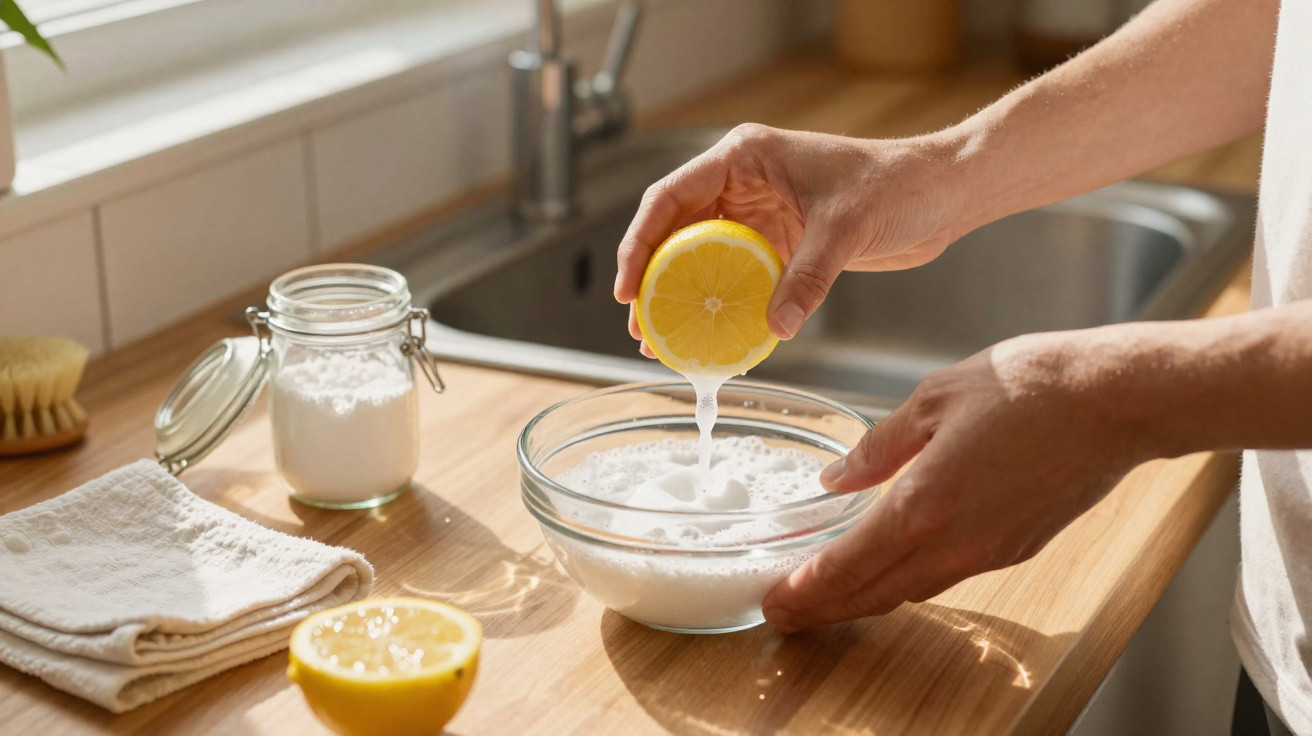
In many households, lemon and bicarbonate of soda are already everyday staples, although they are usually kept separate. Combined, these two ingredients create a straightforward reaction that can be useful around the home, particularly for people hoping to cut down on commercially manufactured cleaning products for routine jobs.
What happens when lemon juice is mixed with bicarbonate of soda?
When lemon juice comes into contact with bicarbonate of soda, an acid-base reaction takes place: citric acid reacts with the bicarbonate, releasing carbon dioxide and producing the familiar fizz. This bubbling action can help loosen grease, food residue and small deposits from surfaces.
In practical terms, the combination creates a mildly abrasive solution suitable for gentle, targeted cleaning. It is generally less harsh than many powerful chemical cleaners, although surfaces that are vulnerable to acidity, including certain types of marble and natural stone, may be damaged by frequent exposure.
Watch a video from the Almanaque SOS YouTube channel explaining the fizzing chemical reaction between bicarbonate of soda and lemon, and how this effect can be used to remove stubborn stains:
https://www.youtube.com/watch?v=M9mF2c5R9U4
Where can lemon and bicarbonate of soda be used around the home?
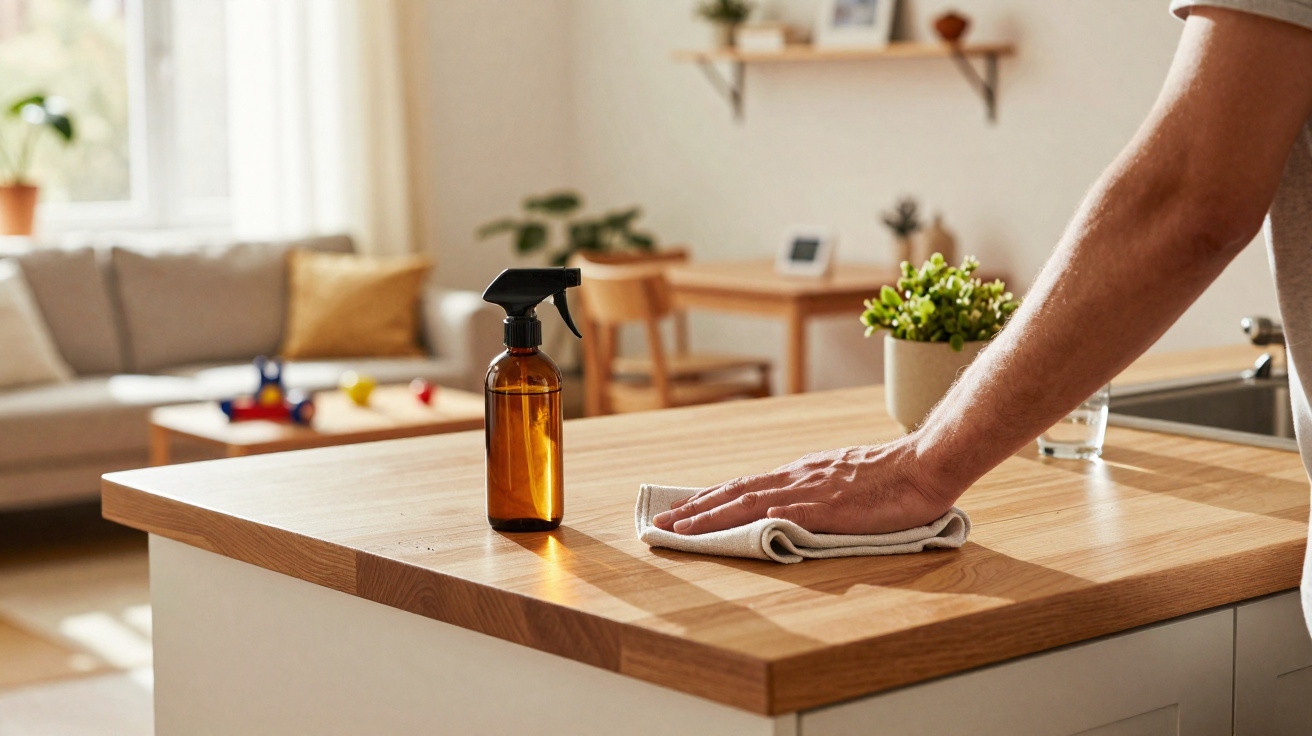
Lemon and bicarbonate of soda are commonly used in kitchens, bathrooms and utility rooms, especially in areas affected by grease and unpleasant smells. In kitchens, they are often applied to sinks, hobs and durable worktops, where they can help lift greasy marks and food odours, particularly from metal surfaces such as stainless steel.
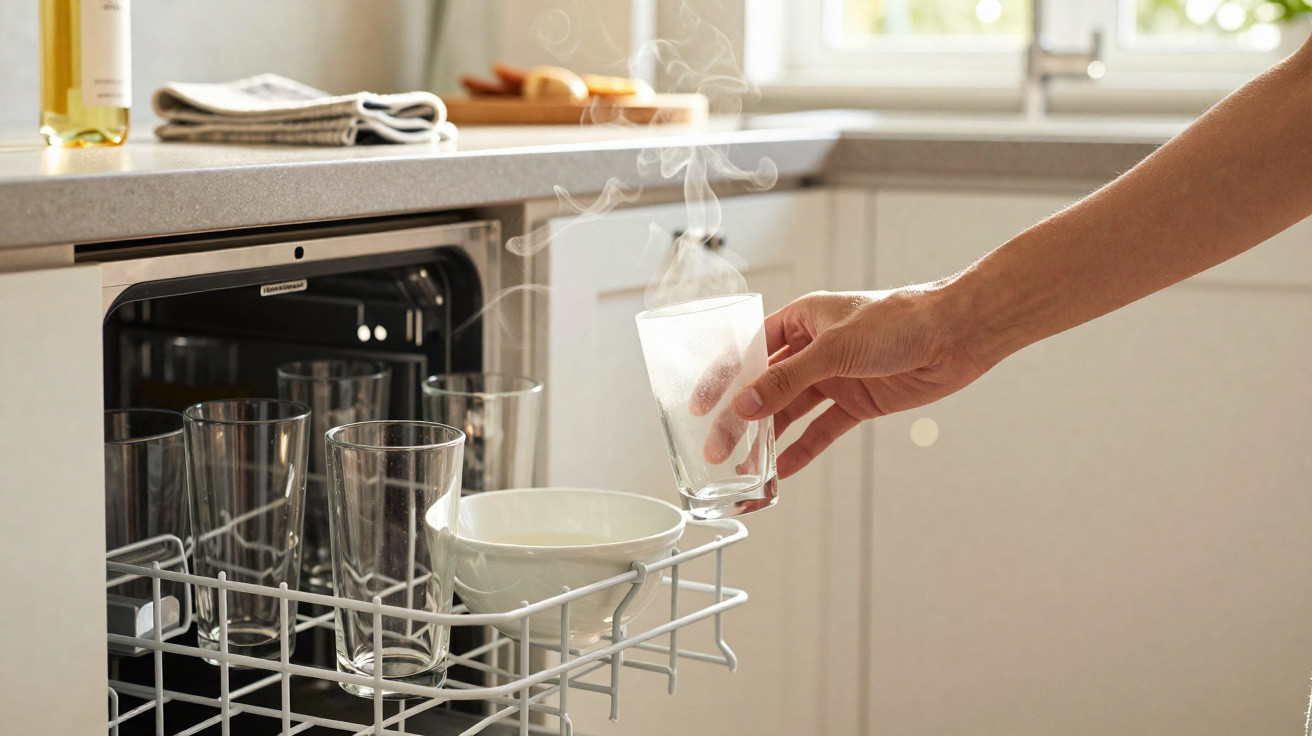
In bathrooms, the solution may be used on drains, shower enclosures and tile grout to help remove soap residue and built-up dirt. In the utility room, it can be applied to isolated stains and to clean the inside of certain appliances, provided the manufacturer’s instructions are followed. Its most frequent uses include:
- Sinks and drains: helps reduce odours while loosening greasy deposits and food scraps.
- Hobs and ovens: can assist with removing oil splashes and burnt food marks.
- Tile grout: may help brighten areas darkened by accumulated dirt.
- Glass and ceramic utensils: can lessen light stains and lingering odours.
How should bicarbonate of soda and lemon juice be prepared and applied?
To make the most of this cleaning combination, use simple quantities and mix it immediately before use, as the reaction does not last long. For washable surfaces such as a sink or hob, 2 to 3 tablespoons of bicarbonate of soda and the juice of 1 medium lemon are normally enough for light cleaning.
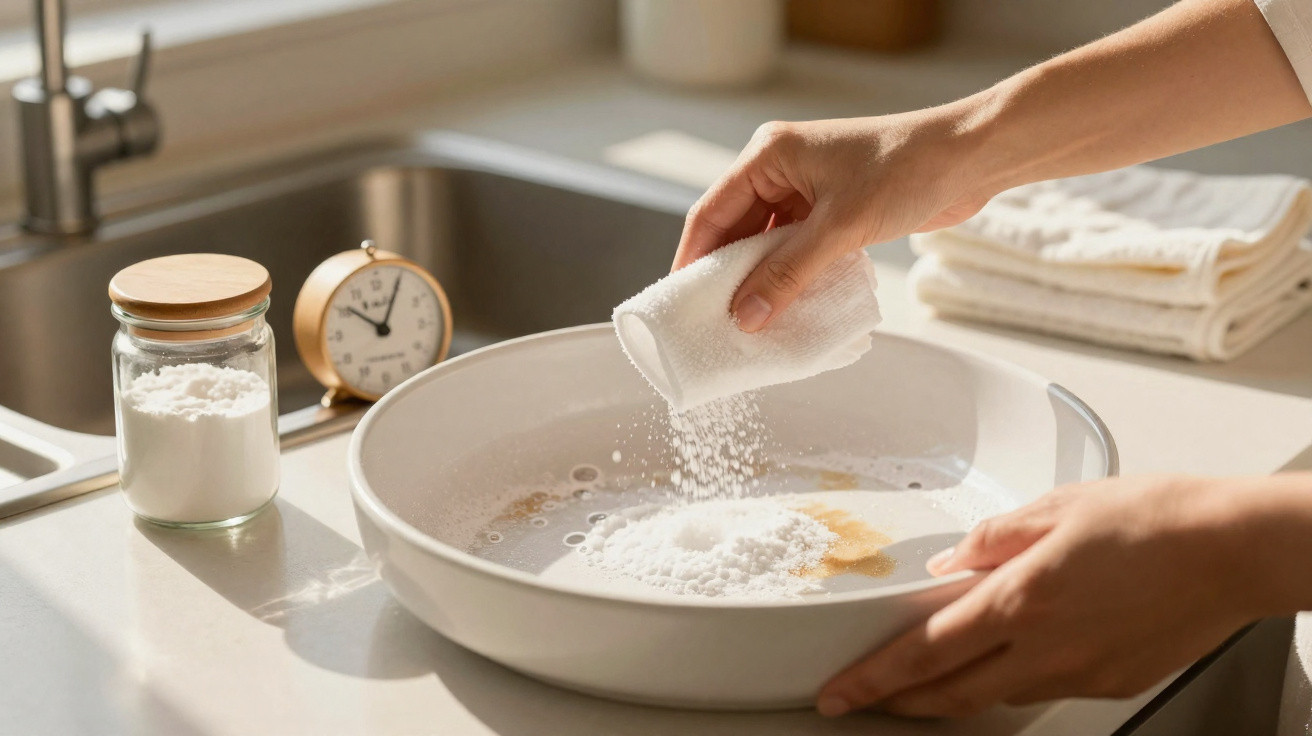
The basic method is to scatter the bicarbonate of soda over the area, gradually add the lemon juice, leave it for 3 to 5 minutes, then gently scrub with a soft sponge or damp cloth. Afterwards, rinse thoroughly with plenty of water and dry the surface well. For drains, the process is usually finished with hot water to help flush away residue and odours.
How often can lemon and bicarbonate of soda be used safely?
How often this mixture should be used depends on the room and the surface material. For sinks and drains with heavy grease build-up, many people use it weekly or fortnightly, whereas more delicate materials should be treated less often to prevent wear. Periodic use on grout and hobs can make upkeep easier and stop dirt from becoming heavily ingrained.
For appliances, specialist stone and surfaces with delicate finishes, it is essential to follow the manufacturer’s guidance and, where possible, test the mixture first on a small, inconspicuous area. When used carefully, this simple combination is a useful everyday option: it can help keep the home tidy, reduce unwanted odours and avoid relying exclusively on manufactured cleaning formulas.


Comments
No comments yet. Be the first to comment!
Leave a Comment