
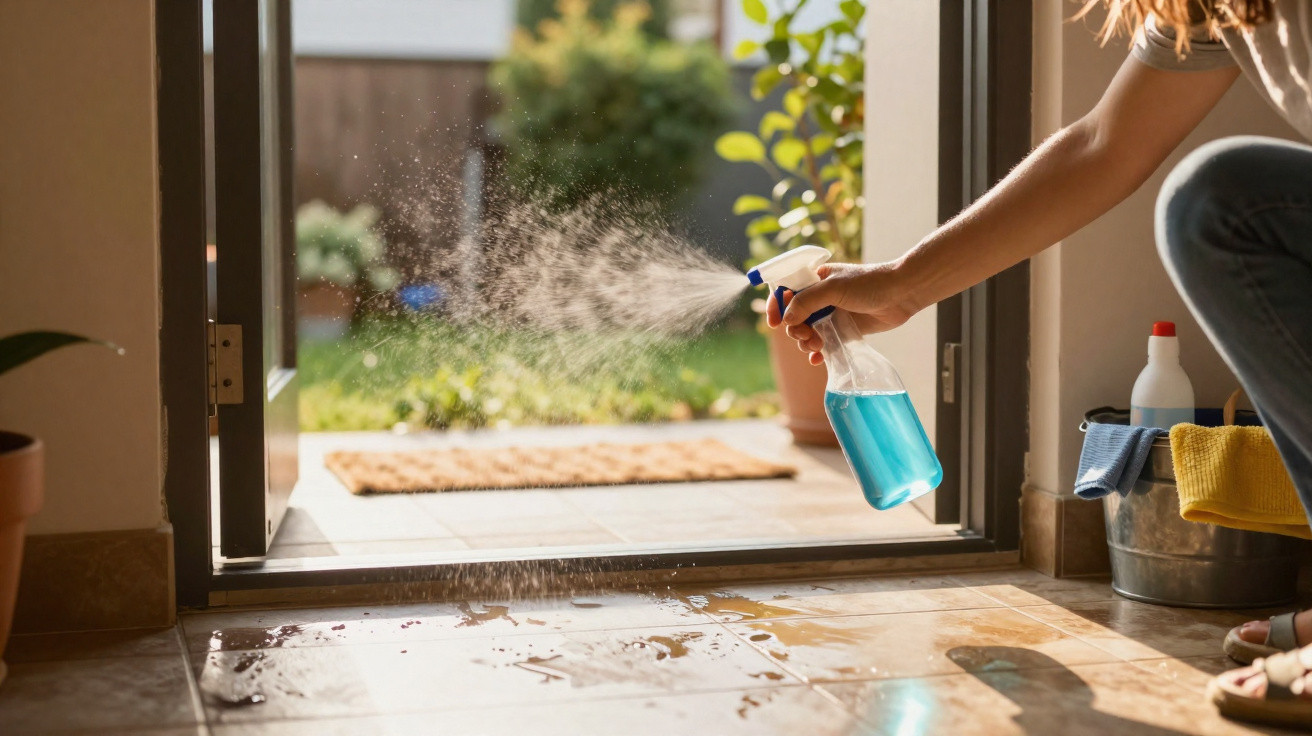
Spraying a mixture of water and alcohol on door thresholds has become a common routine in many Brazilian homes. Although it may appear straightforward, the practice is connected not only with cleaning but also with creating a protective strip across passageways. It can help keep the home tidier, limit odours and reduce the movement of micro-organisms through key areas of the house.
Why spray water and alcohol on house door thresholds?
Door thresholds act as dividing lines between separate spaces, including outdoors and indoors, a hallway and bathroom, or a kitchen and living room. As people, pets and objects pass through them constantly, they are prone to collecting dirt, moisture and micro-organisms.
In this situation, a water-and-alcohol mixture can strengthen the cleaning and protection of high-traffic areas. As well as making quick cleaning easier, routine use helps the flooring retain a more even appearance and may lessen unpleasant smells caused by built-up residue.
Watch a video on the Almanaque SOS YouTube channel explaining why the habit of spraying diluted alcohol at entrances and door thresholds helps keep pests and dirt away from rooms:
https://www.youtube.com/watch?v=U9b7K3f_M8c
How does water and alcohol help clean and protect door thresholds?
Using water together with alcohol provides faster cleaning and quick drying, which is useful in places with continual foot traffic. The alcohol helps lift grease, shoe marks and light dirt, while the water spreads the solution more evenly and lowers the chance of staining sensitive floors.
When applied properly, the mixture helps reduce bacteria and other micro-organisms in areas that come into frequent contact with the ground. Door thresholds are narrow and often overlooked during cleaning; spraying the solution and wiping with a cloth can prevent them from looking grimy and help preserve the floor's appearance over time.
Ideal water and alcohol ratio and care for each floor type
For household use on standard floors, a mixture of roughly 70% alcohol and 30% water is commonly used when diluting 92.8% or 96% liquid alcohol. This ratio makes the product suitable for a range of surfaces, retaining good cleaning performance without being overly harsh.
Because materials respond differently, the dilution should be adapted to the floor type, with a test carried out first in an inconspicuous area. This helps prevent issues such as a loss of shine, drying out or unwanted staining, particularly on more delicate surfaces.
- Hard-wearing tiled floors (ceramic, granite, slate): can tolerate a more concentrated solution with little dilution.
- Polished porcelain tiles: require a gentler mixture containing more water.
- Wood and laminate: need a well-diluted solution, preferably applied to the cloth rather than sprayed directly onto the floor.
How should the mixture be applied to door thresholds, and how often?
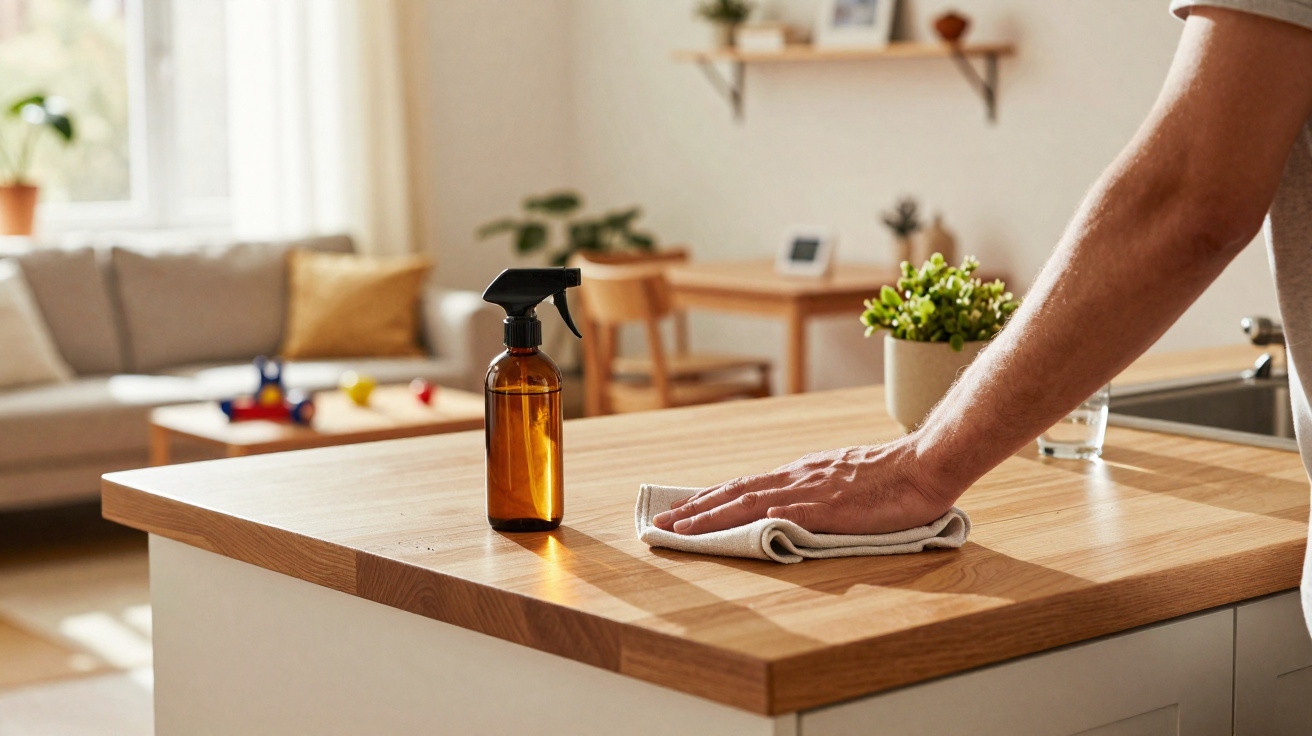
Ideally, spray a light mist of the solution along the door threshold, then wipe it with a soft cloth or a lightly dampened mop. First, remove excess dust using a broom or vacuum cleaner, so that larger particles do not scratch the floor while it is being cleaned.
How often it is needed depends on the amount of foot traffic and whether children or pets are present. In homes with little activity, weekly application is usually enough. More heavily used spaces may benefit from treatment two or three times a week, always using small amounts to avoid wearing down the material or leaving it excessively dry.
Comments
No comments yet. Be the first to comment!
Leave a Comment