
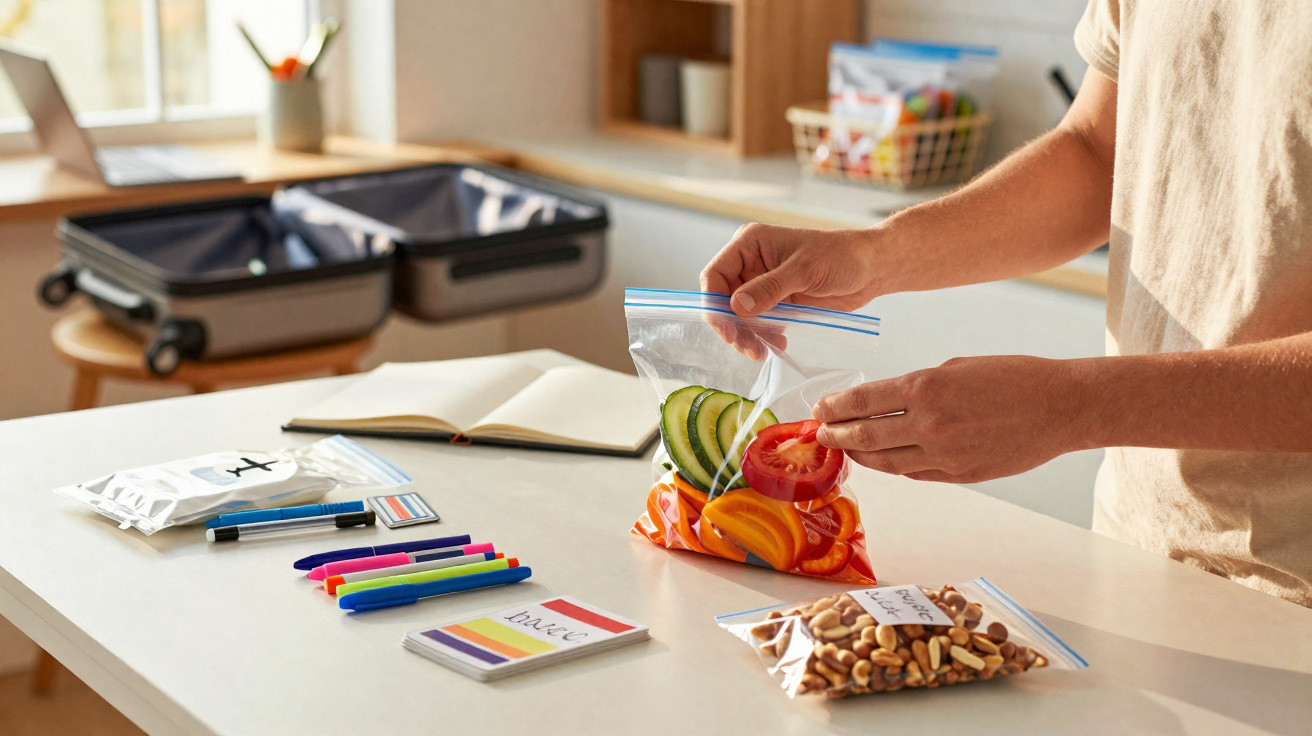
The ziplock bag, best known for storing food in the fridge, is increasingly being used for a range of everyday jobs. With its airtight seal, this type of packaging can support home organisation, work routines, travel and minor emergencies, making tasks quicker and cutting down on disposable packaging waste when it is used and cleaned properly.
What are the most practical uses of a ziplock bag for organising the home?
A ziplock bag is a versatile way to keep several areas of the home tidier, shielding belongings from damp, dust and small insects. In the pantry, it can bring together grains, flour, seasonings and opened packets, keeping them labelled and helping to prevent waste.
Elsewhere in the house, it is useful for storing small items that are easily misplaced, including screws, nails, wall plugs, furniture assembly parts and electronic accessories. It also works well for sewing supplies such as buttons, thread and needles, which can remain visible, sorted by category and easy to find each day.
Watch a video on Cris Ribeiro's YouTube channel showing how to stay organised using ziplock bags:
How can a ziplock bag make travel, studying and work easier?
When travelling or out and about, a ziplock bag makes it easier to separate toiletries, documents and smaller garments, lowering the risk of leaks and unwanted mixing inside a suitcase or backpack. Toothbrushes, travel-size shampoo bottles, soap and make-up stay protected and visible, making quick checks simpler.
For school or office use, it can organise supplies including coloured pencils, paper clips, USB drives, cables and even construction toy pieces for children. On outdoor trips, it can hold documents, money and keys, limiting exposure to water and sand while making these items safer to carry.
Which ziplock bag uses make kitchen routines more practical?
In the kitchen, a ziplock bag does more than store leftovers. It can be used to marinate meat, poultry and vegetables, allowing the seasonings to be massaged in while taking up less room than rigid containers. It is also helpful for recipe prep, keeping chopped vegetables, washed fruit, and portions of sauces or stocks separate for the week.
This packaging can also deal with small everyday challenges, adding convenience in a variety of situations, from tasks near the sink to picnics and packed-lunch organisation.
- Protecting a mobile phone from moisture while preparing recipes;
- Keeping clean cutlery and napkins for picnics or packed lunches;
- Separating individual snacks for children to take to school;
- Organising tea bags, instant coffee and sweetener sachets at work.
How can you reuse a ziplock bag safely and hygienically every day?
To extend the lifespan of a ziplock bag, it is important to keep bags that have touched raw food separate from those used for dry goods or non-food items. If there is heavy grease, tears, holes or damaged seals, disposal is usually the safer choice to prevent contamination.
Clean them with warm water and mild washing-up liquid, gently scrubbing the inside and the seal, then leave them to dry completely in a well-ventilated place with the opening facing downwards. Labelling each bag by purpose, such as “seasonings”, “cables” or “travel kit”, helps maintain order and encourages more mindful plastic use, balancing convenience with environmental care.
Comments
No comments yet. Be the first to comment!
Leave a Comment