

Sprinkling ground cinnamon near kitchen windows has become a simple, inexpensive and pleasantly scented household trick. It can help deter persistent little pests without filling the room with harsh chemical products, making everyday life easier and the kitchen more welcoming for everyone who uses it.
Why does sprinkling ground cinnamon near kitchen windows help in everyday life?
In the kitchen, windows can act as an entry point for ants, mosquitoes and other unwanted visitors, particularly on hot, humid days. Ground cinnamon forms a kind of “aromatic barrier”: while its fragrance is pleasant to us, it can irritate these pests and make it harder for them to travel through gaps and along established trails.
As an added benefit, cinnamon can also soften mild grease and frying smells, especially in small kitchens or those with limited ventilation. It is not a replacement for cleaning or effective airing, but it is a practical extra in places where odours are more likely to build up.
What problems can ground cinnamon help solve around kitchen windows?
The most widely discussed use of ground cinnamon on windowsills is reducing ants and other crawling insects that follow trails across the ledge. Used alongside a basic tidying routine, it can make the area less appealing to these pests, which are more likely to avoid routes where the scent is strongest.
In addition to deterring insects, cinnamon can lessen subtle everyday odours, including those from organic waste and built-up grease, particularly in spaces without an extractor fan. Even so, it works best as a complementary measure alongside sealing gaps, keeping the sink clean and storing food in tightly sealed containers.
How can you apply ground cinnamon to kitchen windows without making a mess?
To benefit from cinnamon without creating clutter, it is best to use controlled application points. This allows the scent to spread and discourages pests, while keeping cleaning straightforward and preventing excessive loose powder from reaching surfaces and the floor.
- Use bottle caps, shallow saucers or pieces of stiff paper holding small amounts of cinnamon.
- Create a very fine line of powder with a teaspoon, placed close to the window gap.
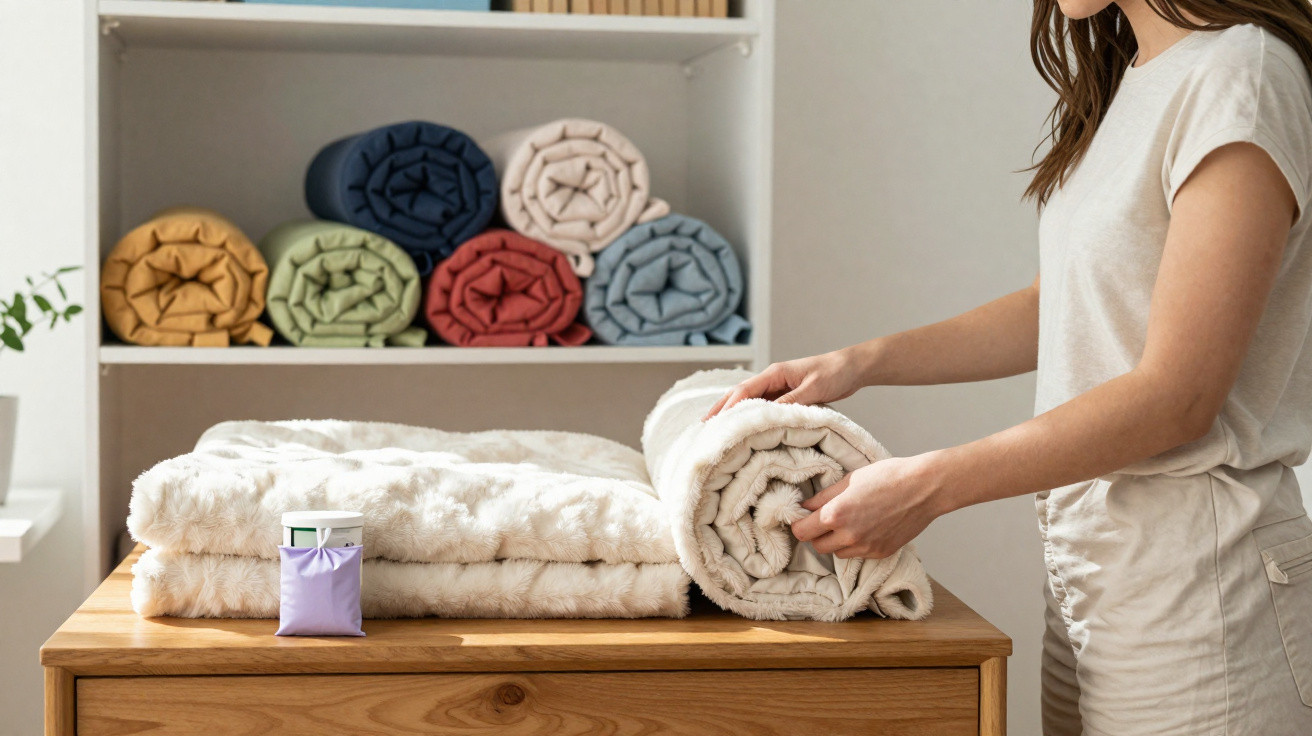
- Make sachets from fine fabric or gauze, fill them with ground cinnamon and tie them securely.
- Keep it away from curtains and other fabrics, as it may stain them and create extra cleaning work.
How often should you replace cinnamon, and where else can it be used at home?
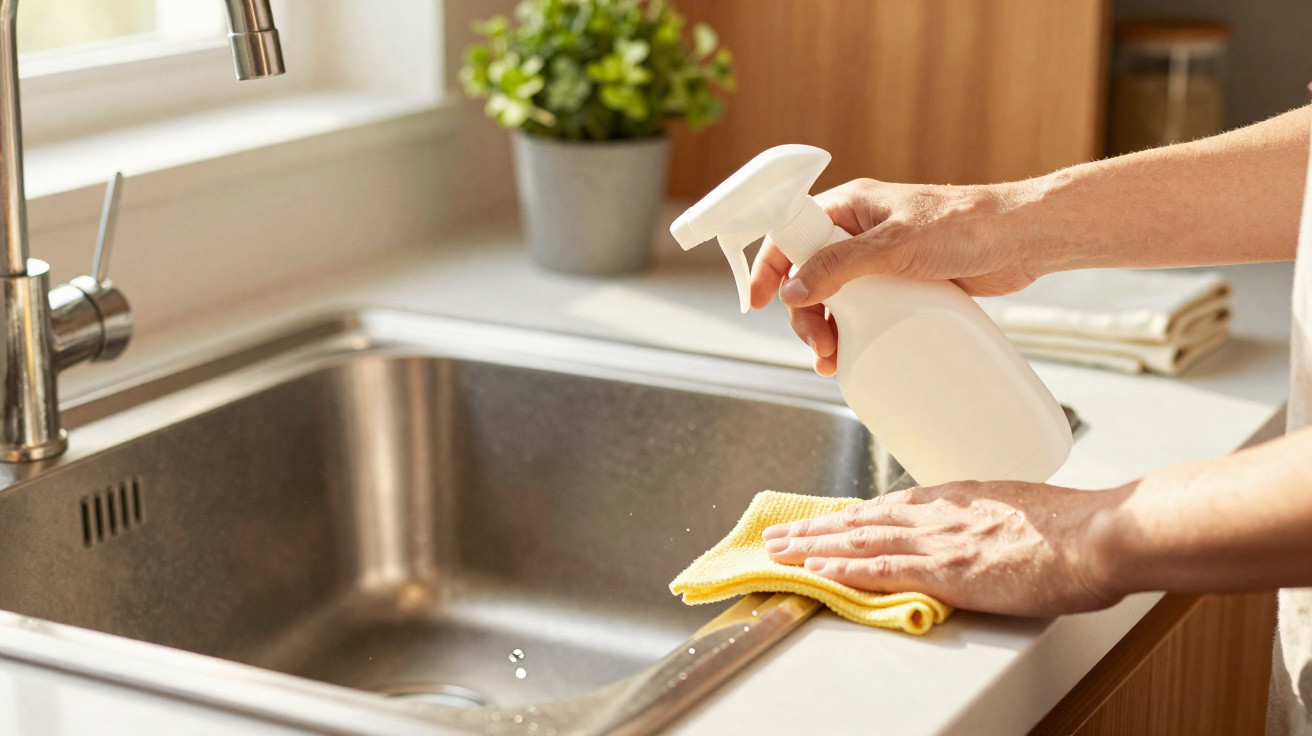
Generally, it is worth replacing the cinnamon every 7 to 10 days, or whenever its smell becomes weaker or the powder absorbs moisture or grease. Before adding more, remove the excess with a dry cloth or vacuum cleaner, wipe the area with a slightly damp cloth, allow it to dry, and only then apply a fresh amount.
The same trick can be used in utility rooms, by doors leading to the garden, near indoor bins and behind furniture positioned against external walls. Always use small quantities and avoid direct contact with food. In this way, the habit can become a discreet part of the routine, helping to keep the home tidier, pleasantly scented and with fewer insects moving around.

Comments
No comments yet. Be the first to comment!
Leave a Comment