
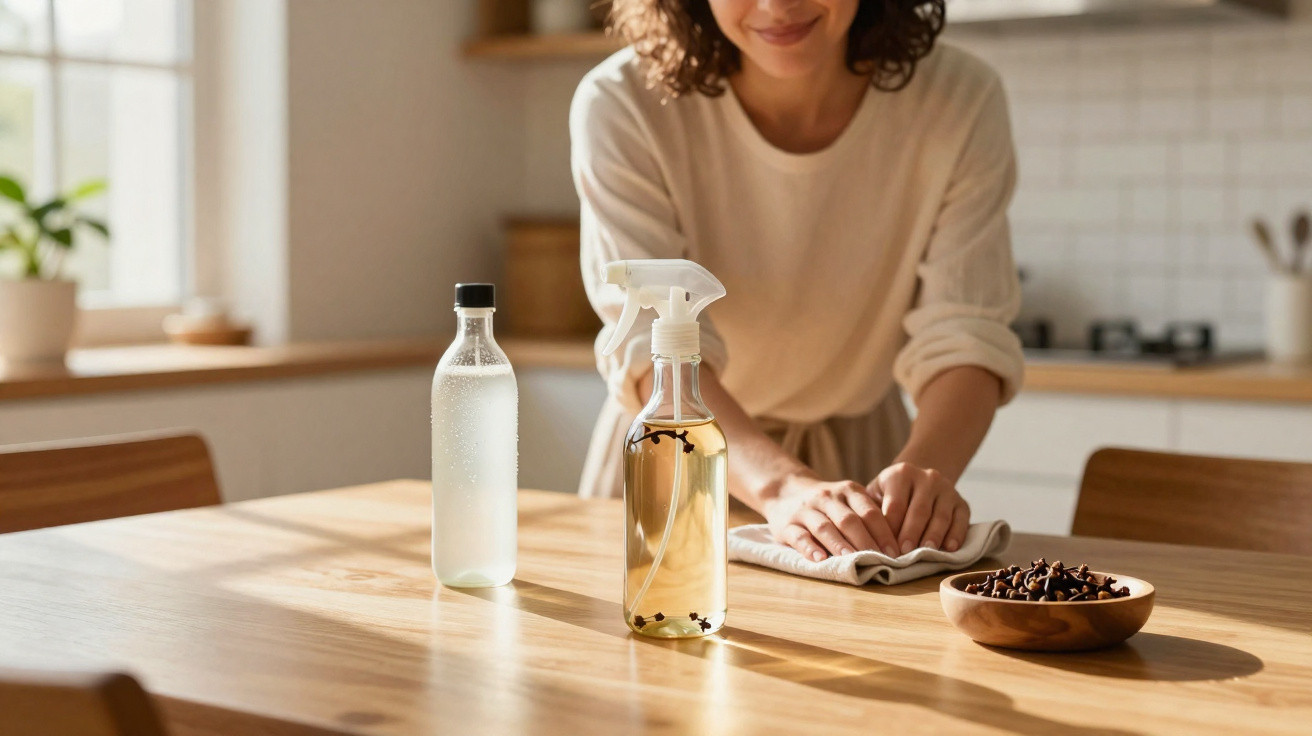
Mixing cloves with white vinegar has become a popular option for people seeking to clean their homes without harsh products. This combination can help eliminate odours, cut through built-up grease and may even deter insects from cupboards, tables and wooden surfaces. Its straightforward preparation is also appealing because it is inexpensive and has a more pleasant scent than many industrial degreasers.
Why are cloves so effective for cleaning?
Cloves contain natural aromatic compounds and have properties long used in homemade mixtures. Once crushed, they release oils that can help neutralise strong smells in furniture, drawers and enclosed spaces. Their fragrance can also be unpleasant to ants and small household insects.
For household cleaning, this ingredient is often included in recipes for kitchen cupboards, reusable cloths and multi-purpose spray bottles. Its strong scent tends to linger on wooden surfaces and on fabrics near furniture for some time.
How do you make the mixture with white vinegar?
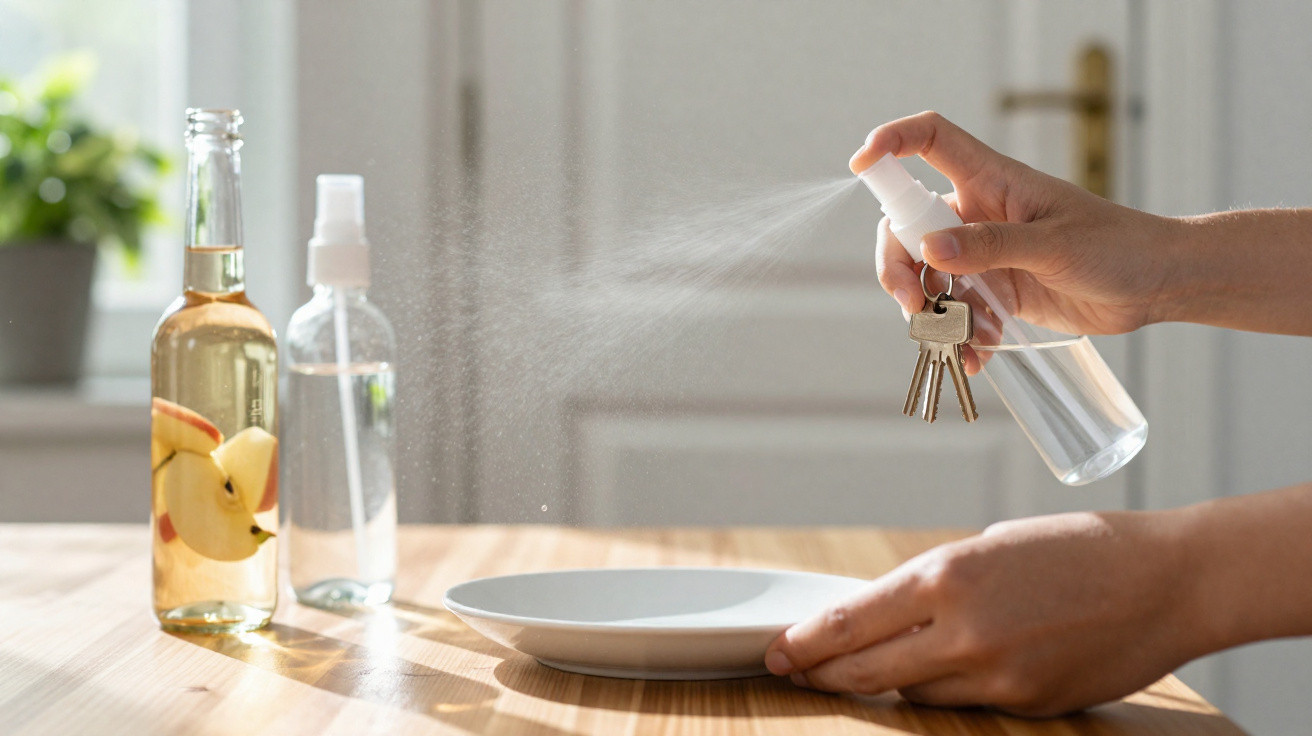
Only a few ingredients are needed, and the mixture can be prepared directly in a blender. White vinegar helps break down grease and residue that have collected on furniture, handles and worktops.
- 200 ml white vinegar
- 1 tablespoon cloves
- 100 ml warm water
- 1 clean spray bottle
After blending the ingredients, it is best to strain the liquid before transferring it to the container. This prevents the spray bottle from clogging and makes it easier to apply to doors, tables, shelves and kitchen surfaces.
Which furniture can be treated with this homemade solution?
Varnished wood generally responds well when the mixture is used sparingly. Apply the liquid with a soft cloth to cupboards, TV units, headboards and tables with dust or light grease build-up. White vinegar can help restore shine without leaving an oily residue.
With particularly sensitive furniture, such as untreated wood or waxed pieces, test the solution first on a small concealed area. Too much vinegar may affect delicate finishes if it is repeatedly used on the same surface.
What additional uses does this clove and white vinegar mixture have around the home?
As well as cleaning furniture, many people use the combination to neutralise odours in enclosed areas. The scent of cloves lasts longer in curtains, cupboards and kitchens than solutions made using only alcohol or washing-up liquid.
- Helps reduce grease odours
- May deter ants and mosquitoes
- Makes handles easier to clean
- Removes light fingerprint marks
- Leaves a stronger fragrance in rooms
The spray bottle is also commonly used on outdoor bins, utility areas and places where moisture frequently builds up.
Is it worthwhile using homemade recipes in the household routine?
Recipes using cloves and white vinegar remain popular because they combine practical cleaning with readily available ingredients. In kitchens and on furniture with light dirt build-up, the solution works well for regular maintenance without relying on heavily fragranced or abrasive products.
Using the mixture correctly can help preserve surfaces, reduce lingering odours and keep cupboards and tables cleaner day to day. For anyone who already follows a weekly cleaning routine, the homemade spray bottle can serve as a quick addition between more thorough cleans.

Comments
No comments yet. Be the first to comment!
Leave a Comment