

When temperatures drop, the issue appears almost everywhere: misted-up windows, damp window sills and a musty smell. What begins harmlessly with a few droplets can damage wallpaper, affect health and become genuinely expensive. Changing a few habits now and following one key rule can stop condensation and mould on windows surprisingly effectively.
Why water collects on windows
The underlying principle is straightforward: warm indoor air can hold a great deal of moisture. When it meets a cold pane of glass, the air at the surface cools rapidly. Excess moisture then settles on the glass as tiny droplets.
If this happens repeatedly, the area around the window remains slightly damp all the time. This combination of moisture and a cool surface is exactly what mould needs. First, the silicone sealant discolours, then the wallpaper; eventually, spores become embedded deep in the wall.
“The most important way to tackle damp windows is to keep humidity under control – every day, not only when droplets are visible.”
People with asthma, allergies or chronic respiratory conditions, as well as children and older people, are particularly at risk. Mould spores irritate mucous membranes, may trigger coughing and headaches, and can worsen existing conditions.
The most effective basic rule against condensation
The measure almost all experts mention first is consistent, correct ventilation: air rooms briefly and thoroughly several times a day instead of leaving windows tilted open for hours.
- Open windows fully 3–5 times a day for rapid ventilation.
- Open them wide for 5–10 minutes each time; ideally, create a through-draught.
- Do not switch radiators off during this time; simply turn them down briefly.
- Bring the room back to a comfortable temperature after ventilating.
This quickly replaces humid indoor air with drier outdoor air without allowing the walls to cool down. Windows left tilted open for hours achieve far less, cool the window area considerably and can actually increase the risk of condensation.
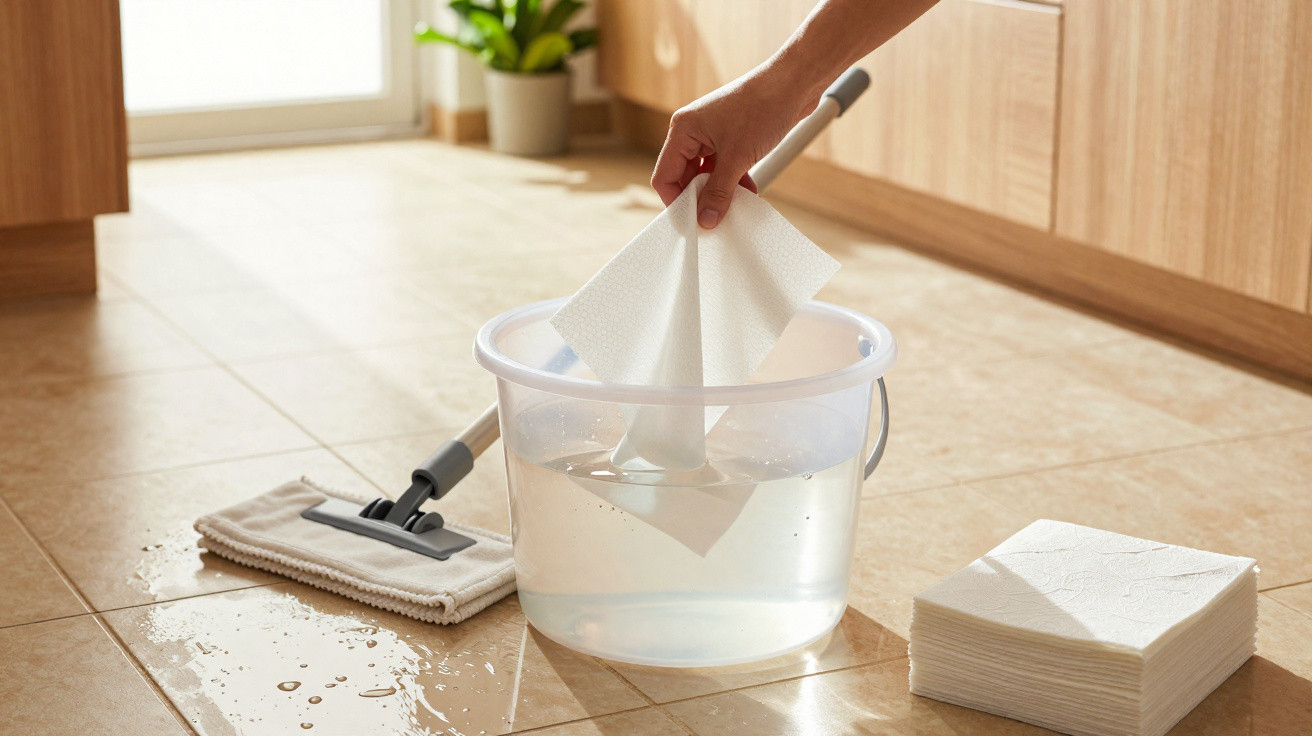
It is equally important not to overlook any droplets that still form. Wiping away condensation every morning with an absorbent cloth effectively removes the conditions mould needs to survive.
Bedroom: a hidden moisture trap overnight
The bedroom is often where the problem first becomes noticeable. During the night, one or two people continuously release moisture through breathing, while the window stays shut and the heating is often switched off completely – ideal conditions for misted-up windows in the morning.
Never turn the heating off completely
A common mistake is turning the heating fully down in the evening to save energy. The room air cools sharply, the window pane becomes icy cold, and moisture from exhaled air then condenses heavily on the glass.
A better approach is to keep the heating on a low, steady setting. This maintains a more stable temperature, keeps the glass surface less cold and significantly reduces condensation.
Keep wet laundry out of the bedroom
Drying laundry in the bedroom greatly increases humidity. A fully loaded clothes airer releases several litres of water into the air – ideal conditions for condensation.
It makes far more sense to:
- dry laundry in well-ventilated rooms;
- use a tumble dryer vented outdoors;
- air the room thoroughly straight after using a clothes airer.
These two changes alone – maintaining a moderate base temperature and keeping wet laundry out of the bedroom – noticeably reduce moisture levels.
Kitchen: stop moisture from pots and pans
Humidity rises sharply within minutes while cooking: boiling water, uncovered pans, the oven and a hot dishwasher all produce steam that can later settle on cold windows.
A few fixed routines can keep this under control:
- Always use the extractor hood, ideally before the first pan goes on the hob.
- Use lids on pans so steam cannot escape unchecked in the first place.
- Open the window wide during and after cooking until the steam has cleared.
- Keep the kitchen door shut so moisture does not spread into the hallway and living room.
Anyone who follows these steps consistently will notice after a few days that windows mist up far less, odours disappear more quickly and adjoining rooms feel drier too.
Bathroom: limit the cloud of steam after showering
A hot shower produces huge amounts of water vapour in a very short time. If that steam remains in the room unchecked, it settles on mirrors, walls and, naturally, the window.
Keep steam within the shower area
A tightly closing shower enclosure or a shower curtain that fits properly acts almost like a lid on a pan: most of the steam stays in a small area instead of spreading through the whole bathroom.
Immediately after showering, direct the steam outside: open the window wide and keep the bathroom door closed, preventing moisture from moving into the rest of the home.
Let the extractor fan run for longer
One frequent mistake is running the bathroom extractor fan only during the shower and switching it off straight afterwards. It is more effective to leave it running for at least 10–15 minutes afterwards. Only then will it have removed enough moisture.
If you cannot open a window, the extractor fan becomes the main defence against mould. It is worth checking whether the unit has sufficient capacity and whether the air duct is clear.
Technology that genuinely helps: hygrometers and dehumidifiers
Anyone wanting to know how serious their moisture problem is should get a hygrometer. This small device displays the humidity level in the room.
| Relative humidity | Assessment |
|---|---|
| below 35% | too dry; irritates mucous membranes |
| 40–60% | optimal range |
| above 60% | significantly increased risk of mould |
If the reading remains high over time, an electric dehumidifier may be useful. Modern units operate relatively quietly and remove several hundred millilitres to several litres of water from the air each day, depending on the model and room size.
Upgrade windows when the glass itself is the problem
With old single glazing or very poorly insulated windows, condensation can form even at moderate humidity levels. At this point, ventilation and wiping alone eventually reach their limits.
Useful measures include:
- upgrading to double or triple glazing;
- fitting effective seals and ensuring the window casements close properly;
- using anti-condensation films that warm the inner glass surface slightly.
Modern windows keep the inner pane substantially warmer. This reduces the temperature difference between the room air and the glass, along with the point at which moisture condenses.
How to spot mould and why acting quickly matters
Mould does not appear only as black patches. Early warning signs include:
- grey or greenish shadows around silicone seals;
- a faint musty, earthy smell;
- swollen wallpaper or flaking paint around the window lintel.
Once you notice these signs, simply wiping away droplets is no longer enough. The affected area must then be dried thoroughly and, depending on the extent of the issue, treated with suitable products. The earlier you act, the more limited the damage will be.
Practical everyday combinations against condensation and mould
The fight against condensation becomes truly effective when several measures work together:
- maintain a steady, moderate room temperature rather than heating excessively and then switching everything off completely;
- set regular ventilation times in the morning after getting up, after cooking and after showering;
- avoid clothes airers in small rooms with little ventilation;
- use a hygrometer for monitoring and a dehumidifier where needed.
Over time, this creates a routine requiring very little effort. Many people only realise the scale of the difference when they check the measuring device or see dry window sills.
People living in rented accommodation should document noticeable moisture problems early, for example by taking photographs of the window reveals and keeping regular notes on temperature and humidity. This makes it easier to establish later whether the main cause is household behaviour or possibly building defects.
Ultimately, the answer is not a miracle product but a combination of behaviour, technology and, where necessary, better windows. By airing rooms briefly each day, wiping away droplets immediately, removing steam from bathrooms and kitchens deliberately, and keeping an eye on critical rooms, you can drastically reduce condensation and mould risks while maintaining a far healthier indoor climate, especially in winter.




Comments
No comments yet. Be the first to comment!
Leave a Comment