
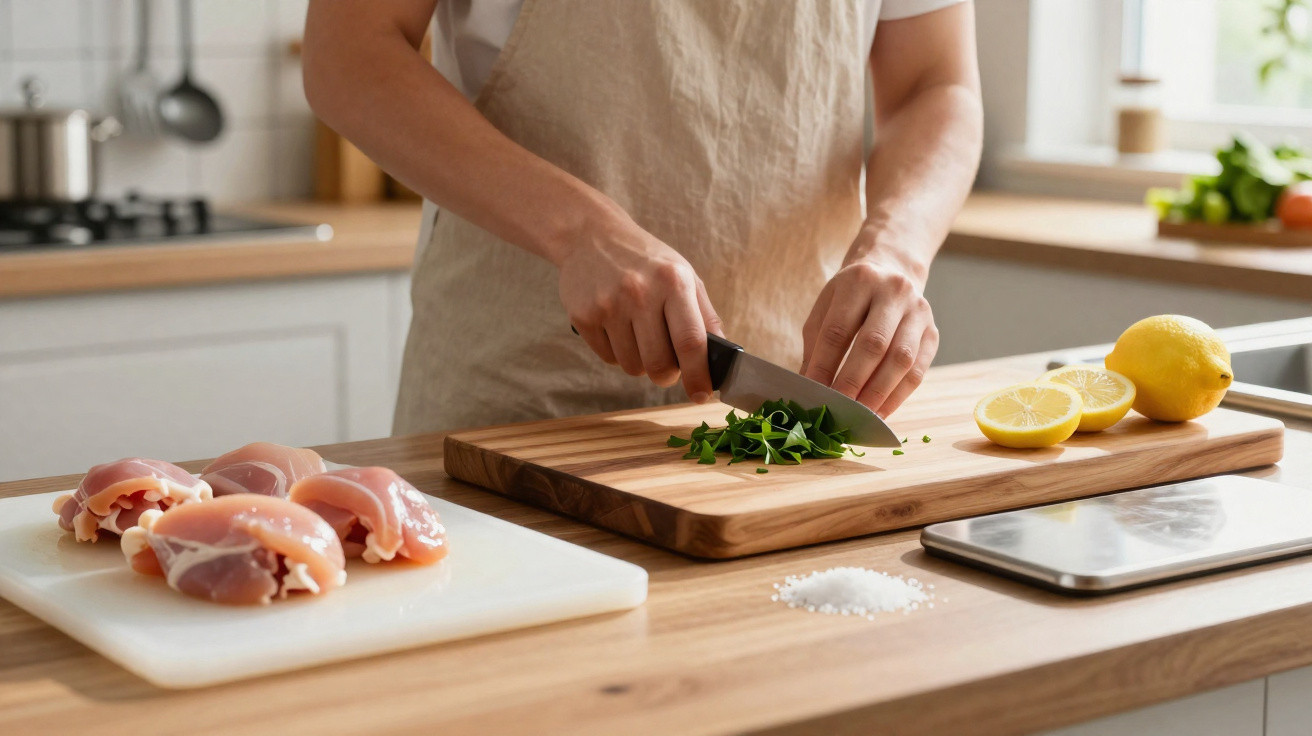
Choosing the best chopping board for a home kitchen is no longer straightforward. Shoppers now face shelves packed with plastic, wooden and metal options, each claiming different benefits in terms of hygiene, durability, comfort in use and health effects, including microplastic release and knife wear.
What is the best chopping board for home use?
There is no single type that suits every household routine. Plastic, wood and metal each respond differently to knife contact, hot water and cleaning products, which can significantly affect everyday kitchen use.
Generally, food-safety specialists favour surfaces that are easy to clean, stand up to frequent use and do not damage knife edges. Knowing how each material performs makes it easier to create a suitable set of boards rather than relying on one chopping board for every task.
Plastic chopping boards in the kitchen routine
The most common plastic chopping boards are made from polypropylene or high-density polyethylene. They are lightweight, comparatively inexpensive and usually dishwasher-safe, making them easier to sanitise after preparing raw meat or fish.
However, plastic marks readily, producing grooves that can hold moisture and food residue and may shed tiny fragments. For this reason, it is important to check for wear and replace the board when needed, before it becomes a potential kitchen risk.
- Advantages of plastic chopping boards:
- Dishwasher-safe, helping with daily cleaning.
- Low-cost, with a wide choice of sizes, thicknesses and colours.
- A non-porous surface that is less likely to retain odours.
- Important points for use:
- Inspect boards and discard those with deep grooves.
- Keep them away from heat above the temperature specified by the manufacturer.
- Use separate colours for different categories of food.
Metal chopping boards and their role in the kitchen
Metal chopping boards, typically made from stainless steel, have become more popular because they promise excellent durability and straightforward cleaning. Their hard, smooth surface tolerates hot water and disinfectants well, does not retain odours and suits kitchens with a more professional appearance.
On the other hand, repeated blade contact with metal quickly dulls knife edges and can make chopping more slippery. In homes where knife skills are less developed, this raises the risk of accidents and often makes daily use less comfortable.
Wooden chopping boards and building a safe set
Wooden chopping boards remain popular in households that value a comfortable cutting surface and appearance. Hardwoods such as maple, walnut and cherry are kinder to knife edges, provided they receive basic care: prompt washing, immediate drying and periodic treatment with suitable mineral oil.
Rather than choosing only one material, an effective approach is to pair a durable plastic board for raw meat with a wooden one for bread, fruit and ready-to-eat foods. This reduces cross-contamination, extends the service life of kitchen tools and lets you benefit from the strengths of each surface in the home kitchen routine.

Comments
No comments yet. Be the first to comment!
Leave a Comment