
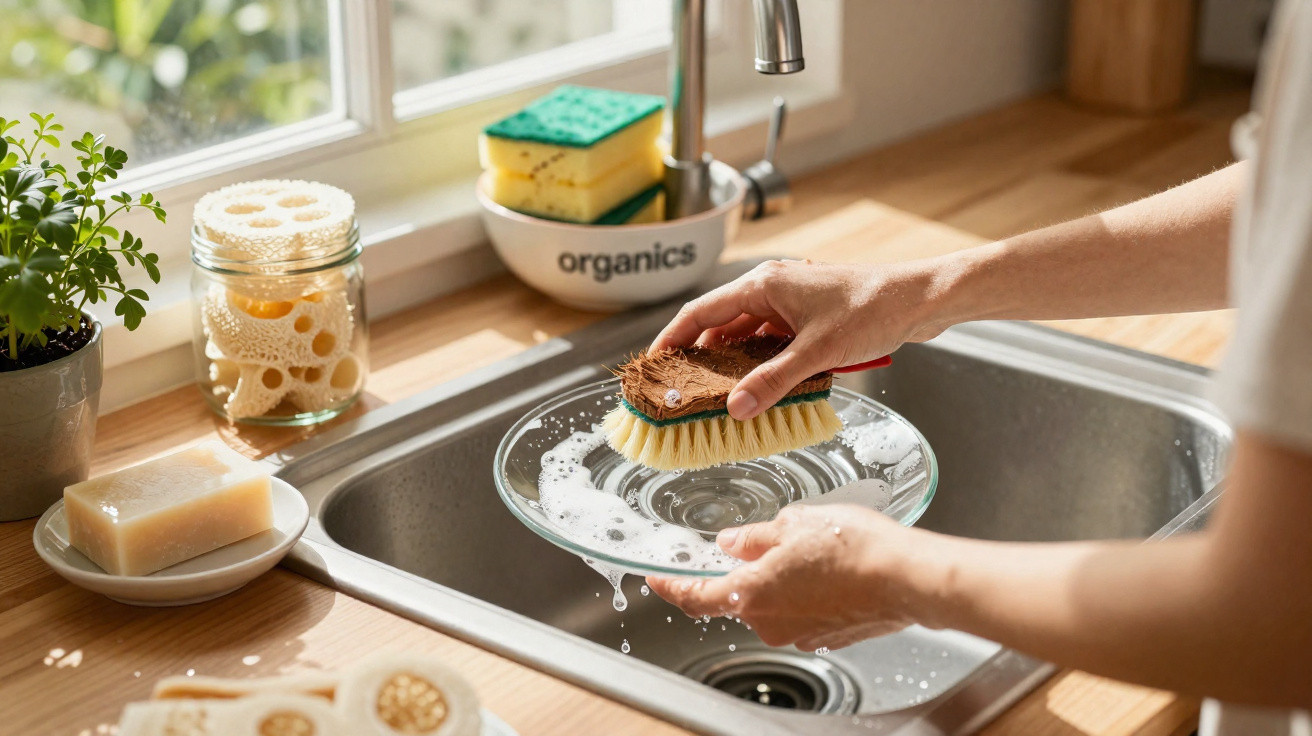
Washing up and sanitising the kitchen sink has changed significantly in recent years. The conventional synthetic sponge, found in many homes, has come under scrutiny from researchers and environmental professionals because it can release microplastics into water. This has increased the search for more sustainable ways to keep the kitchen clean.
Why has concern about microplastics from kitchen sponges grown?
Traditional kitchen sponges are commonly made from plastic-based materials such as polyurethane or melamine. As they rub against plates, pans and other surfaces every day, they wear down and shed tiny fragments that flow down the drain with wastewater and are seldom completely captured by treatment plants.
These particles are classed as microplastics: small pieces of plastic measuring a few millimetres or microscopic in size. Research suggests that one item can shed millions of fibres during its usable life. Some of these reach rivers, seas and soil, where aquatic organisms ingest them and they enter the food chain.
Which sustainable alternatives can replace the traditional kitchen sponge?
As research progresses, interest is increasing in environmentally friendly washing-up options that retain effective cleaning performance while cutting plastic use. The focus is on renewable or biodegradable materials, which create less persistent waste when properly disposed of.
The most common alternatives include plant-based products and natural fibres, suitable for everything from intensive scrubbing to everyday sink cleaning:
- Natural loofah sponge: produced from a climbing plant and becoming fibrous when dried; it is biodegradable and can be placed with organic waste if it is not heavily contaminated with chemical products.
- Coconut-fibre sponges: made from fibres taken from coconut husks, often combined with other natural materials; they offer good durability and moderate abrasion.
- Wooden brushes with natural bristles: practical for pans, grills and baked-on residue, reducing the need to apply excessive force.
- Cotton or cellulose cloths: suitable for light cleaning of worktops, tables and appliances, replacing disposable products.
How can washing up become more sustainable every day?
Replacing the kitchen sponge is only one part of a wider set of lower-impact household cleaning practices. Small changes to daily routines can reduce the use of resources and plastic without affecting the hygiene of kitchenware.
Sustainability specialists recommend paying attention to how cleaning items are used and disposed of, as well as to the selection of replacements, packaging and washing-up liquids. Refillable options and careful control of the amount used should be prioritised.
How should sponges be cared for and disposed of to reduce environmental impacts?
Even when natural alternatives are chosen, good hygiene and disposal practices remain important to prevent contamination and unnecessary waste. Keeping loofahs and brushes clean, rinsed and air-dried can prolong their useful life, reducing the need for frequent replacements.
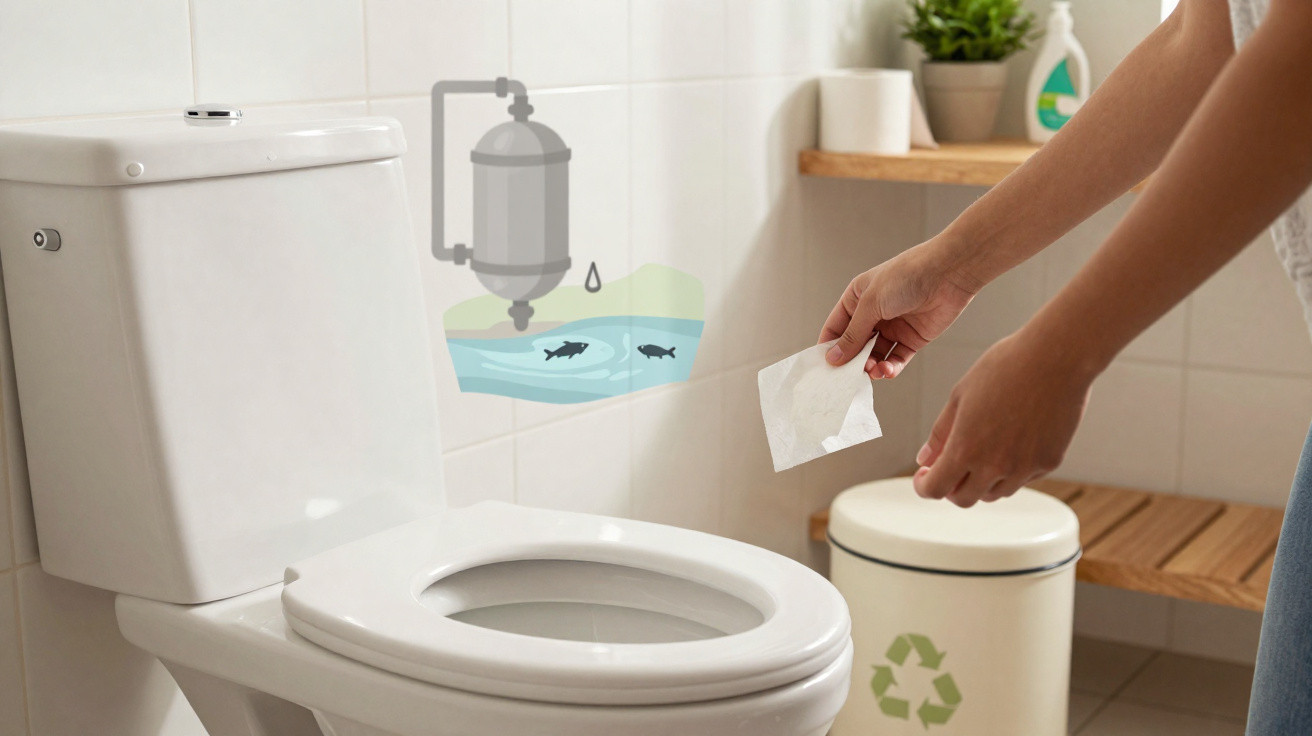
Worn synthetic sponges should never be flushed down sinks or toilets. They should be securely placed in general waste. Natural loofah sponges, however, can be disposed of with organic waste when they are not saturated with chemical products, supporting a cleaning routine that is more consistent with environmental responsibility.
Comments
No comments yet. Be the first to comment!
Leave a Comment