

Cleaning balconies in Greece calls for particular care because of the hot Mediterranean climate. The habit of using hoses can lead to water seepage on façades and serious issues with neighbours living below, while also causing a worrying waste of drinking water in areas affected by shortages.
Why is washing a balcony with a hose a problem?
Many people assume that running water cleans flooring more quickly during intensely hot weather. However, balconies in older parts of Athens often lack suitable drains to handle this volume of water effectively, resulting in severe and unwanted flooding.
Careless washing allows dirt to run straight down the outside walls of a building. This unsuitable practice harms the paintwork on property façades and deposits debris in residents’ shared areas, leading to daily disputes and substantial fines for breaching building rules.
How have new window and door frames changed modern balconies?
Traditional options have disappeared from today’s market, making way for models that are more elegant, durable and hard-wearing than ever, which never lose… Read more
How does water scarcity affect household cleaning?
The chronic shortage of natural resources on tourist islands such as Naxos makes water use an urgent concern. Using hoses to remove dust is regarded as a major lack of civic awareness, as every drop saved helps communities cope with long periods of severe drought.
Public awareness has prompted new everyday approaches to keeping spaces hygienic without placing excessive pressure on local reservoirs. Greek residents now favour dry maintenance methods to clear wind-blown debris, showing full respect for the environment and avoiding severe penalties from municipal authorities.
Below is a video from the Reuters YouTube channel that explores the points discussed in this topic in greater depth:
What are the best alternatives for cleaning small balconies?
Replacing a continuous water flow with simple tools helps keep the area clean without creating problems. A soft-bristled broom gathers larger debris, allowing dust to be removed without spilling a single drop onto the floor of a residential balcony.
To complete floor cleaning, damp cloths fitted to squeegees work perfectly for lifting light marks. This approach uses very little water, keeps the area orderly and ensures the structure remains fully protected against excessive moisture and water seepage in external walls.
Effective Hygiene
Dry Cleaning Kit
Use these essential accessories to clean your balcony:
- A soft-bristled broom to remove fine debris without spreading dust;
- An adjustable squeegee with a lightly dampened microfibre cloth;
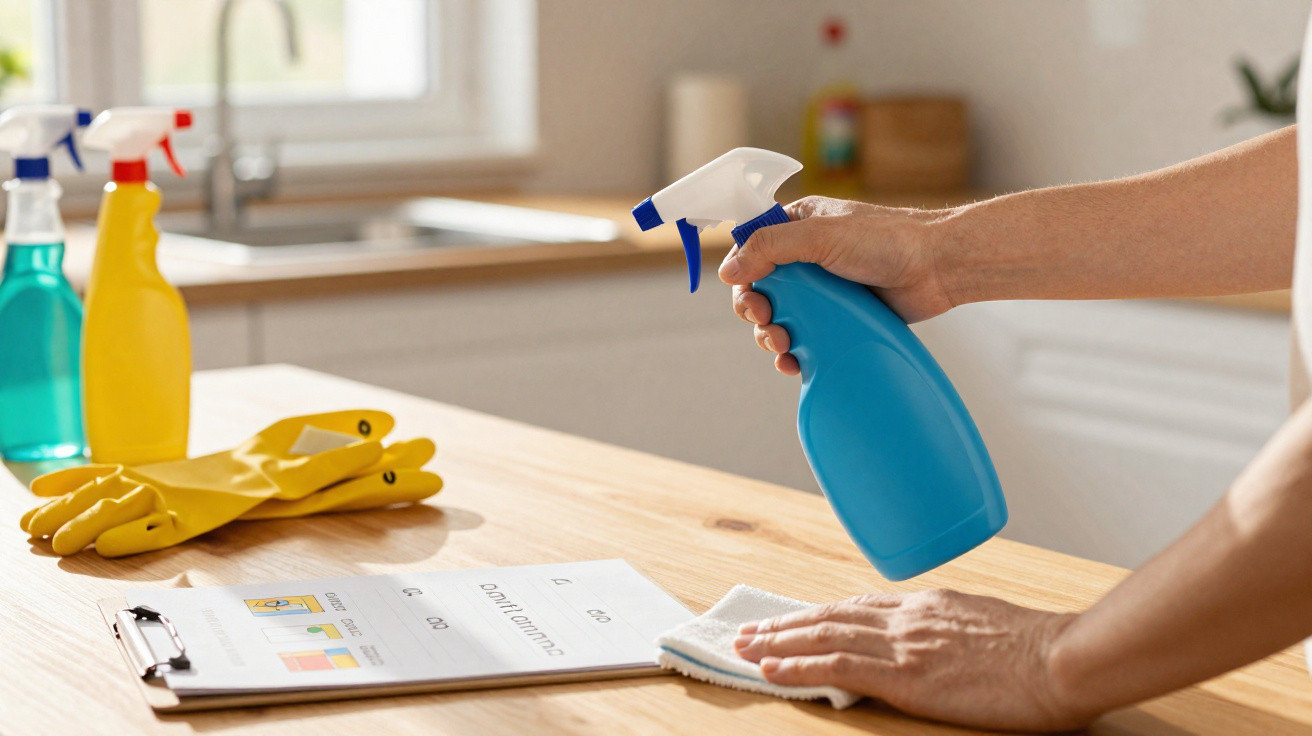
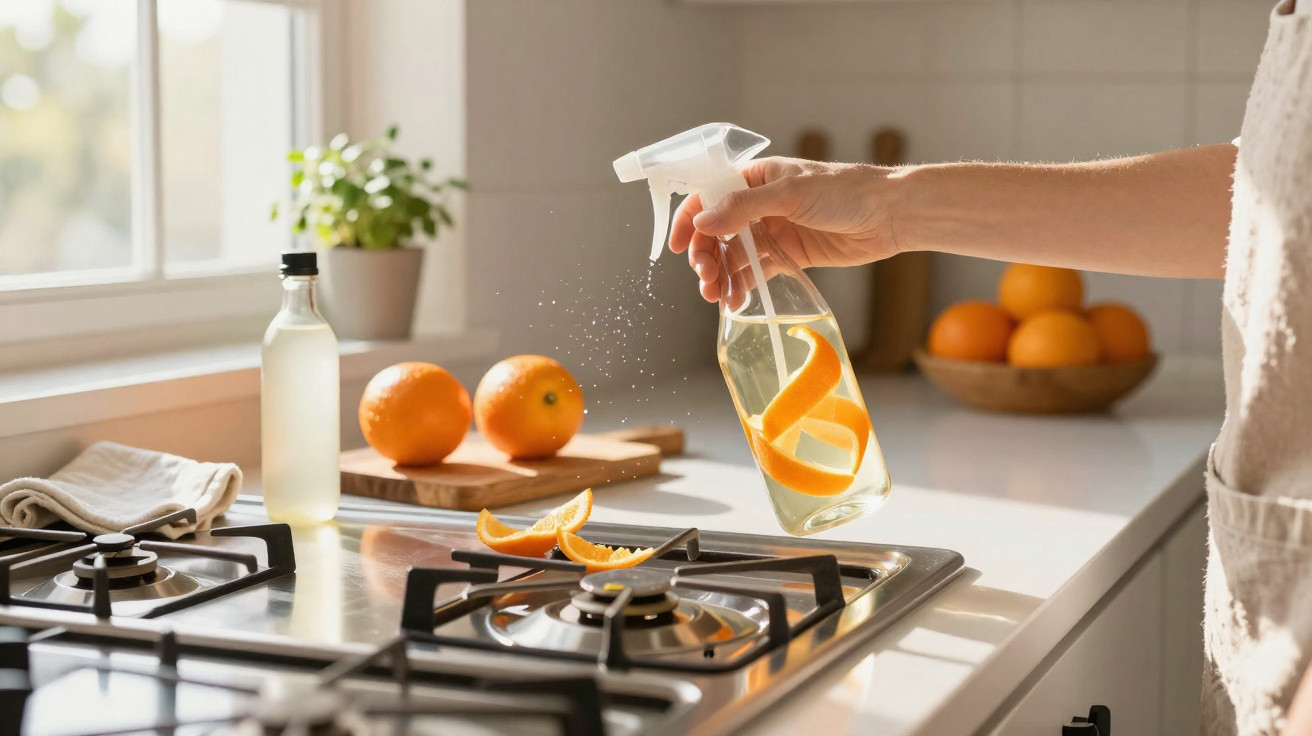
- A hand spray bottle containing a homemade solution for spot-cleaning marks.
How can friction with neighbours in an apartment building be avoided?
Maintaining clear communication with other building residents prevents misunderstandings during household chores. Giving advance notice of the cleaning time lets neighbours bring in washing from outdoor clotheslines, helping to build a harmonious and peaceful relationship in daily life.
Following the times set out in the building’s internal regulations is also essential for protecting everyone’s peace and quiet. Carrying out these tasks during the recommended periods prevents disagreements and ensures collective wellbeing is fully safeguarded, reducing formal complaints and strain on the daily routine.
Good practice for living in apartment buildings includes essential household organisation measures:
- Set specific days for more intensive cleaning;
- Check that drains are flowing properly before dampening the floor;
- Use microfibre cloths to contain water escaping at the sides.
What are the benefits of a dry-cleaning routine?
Adopting water-restricted methods brings immediate financial benefits through lower household consumption charges. The resulting savings directly support sustainability efforts during periods of environmental scarcity, making household management far more efficient and environmentally responsible.
In addition, avoiding constant moisture protects ceramic finishes from mould and premature wear. This ongoing care increases the value of the property and prevents high costs for complex structural repairs caused by the damaging effect of accumulated liquids.


Comments
No comments yet. Be the first to comment!
Leave a Comment