
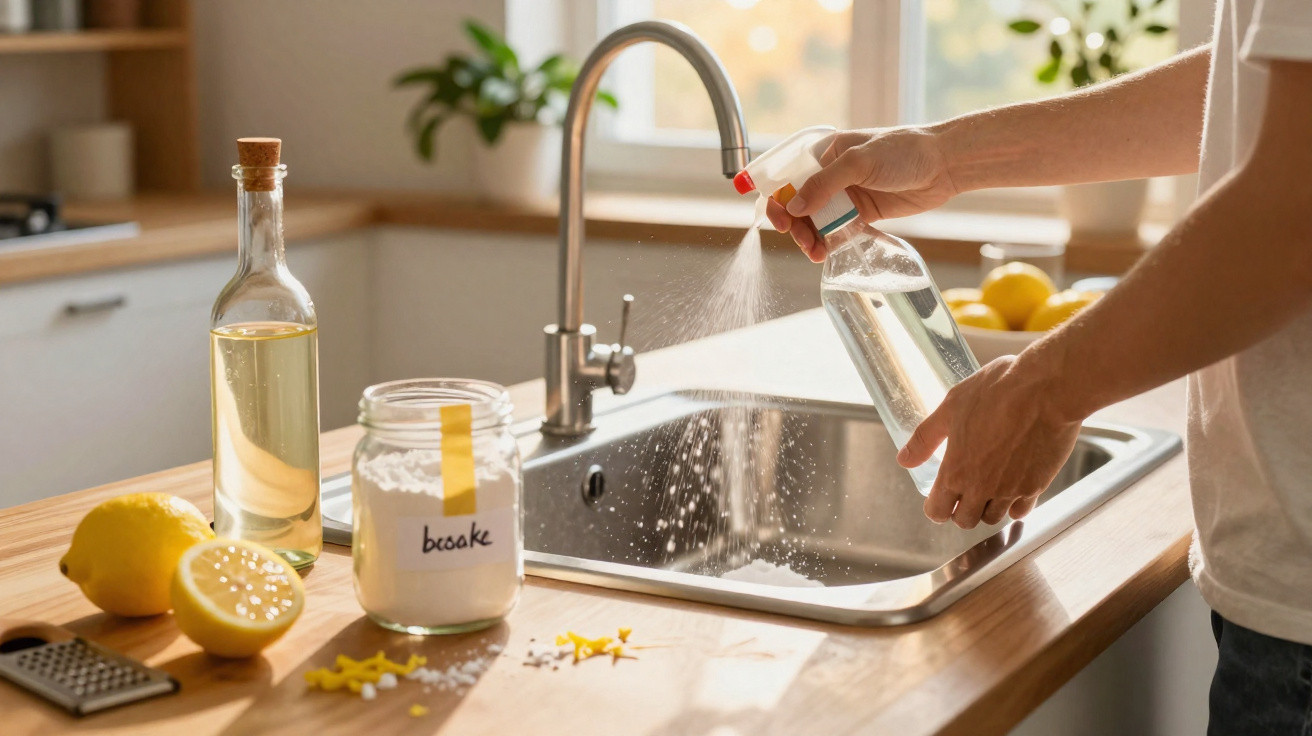
A blend of everyday ingredients such as vinegar, bicarbonate of soda and lemon is becoming increasingly popular for household cleaning because it can deliver results that many manufactured products do not achieve as effectively. In a range of situations, this mixture can loosen heavy grease, minimise lingering odours and lift stubborn stains without formulas packed with artificial fragrances, while giving people greater control over what they use on each surface in the home.
How does household cleaning with vinegar, bicarbonate of soda and lemon work?
These familiar products each have distinct properties which can enhance the cleaning effect when combined. White vinegar helps tackle grease and soap residue; bicarbonate of soda acts as a mild abrasive and can neutralise smells; while lemon adds degreasing action and a fresh scent.
The combination addresses everyday issues that many ready-made cleaners cannot deal with as thoroughly, including old grease on tiles and hobs. The reaction between bicarbonate of soda and vinegar helps release the stuck-on layer, while lemon improves cleaning on greasy areas and leaves a subtle fragrance, which can be helpful for people sensitive to strong perfumes.
How can you make a vinegar, bicarbonate of soda and lemon mixture at home?
When making a household cleaning mixture, using the right proportions matters for both effectiveness and safe application. For ordinary kitchen and bathroom dirt, one widely used formula is affordable and straightforward, and it can replace several specialist products in day-to-day cleaning.
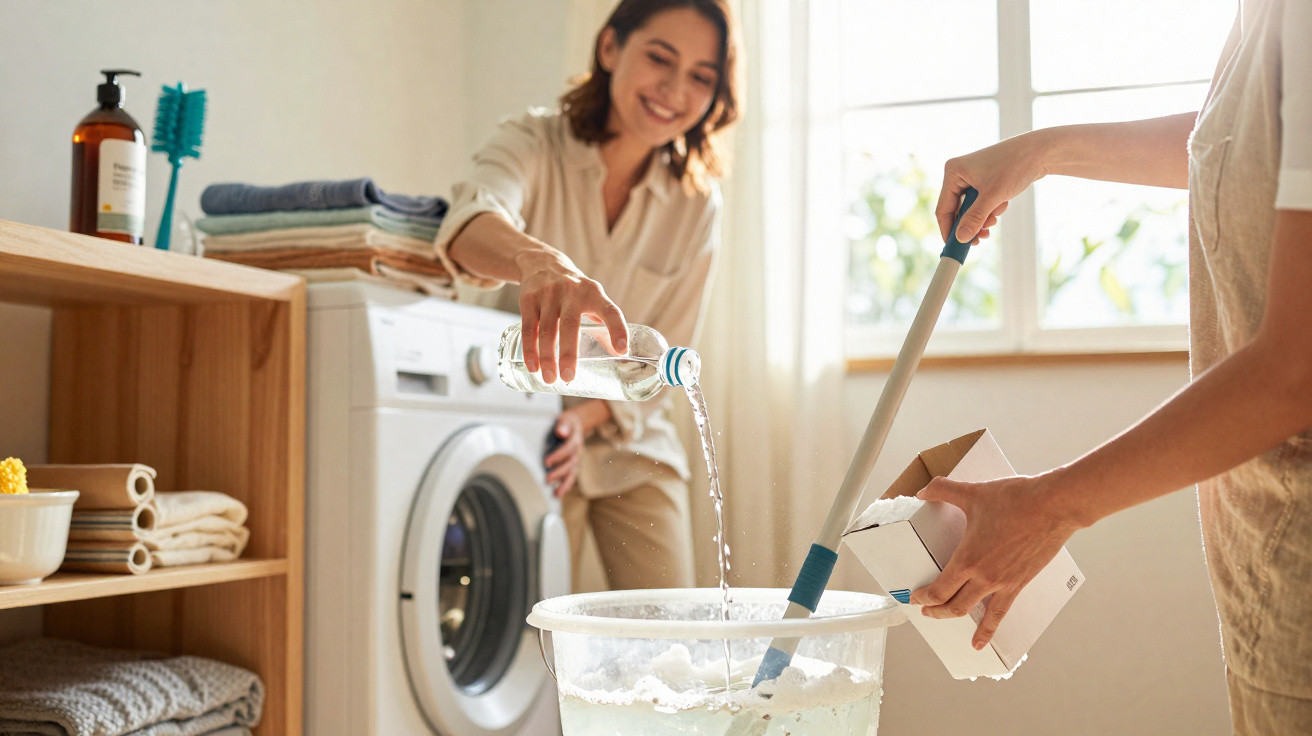
Here is a simple recipe for a 500 ml spray bottle:
- 1 cup of white vinegar (around 240 ml)
- 1 tablespoon of bicarbonate of soda, dissolved beforehand in a little water
- The juice of half a lemon or 1 tablespoon of lemon juice
- Filtered water to fill the bottle to 500 ml
To limit foaming, add some of the water first, followed by the vinegar, then the pre-dissolved bicarbonate of soda, adding the lemon last. Use the mixture within a few days and shake gently before each use. For particularly heavy grime, apply bicarbonate of soda directly to the damp surface and spray vinegar over it.
How should the mixture be used in each room of the house?
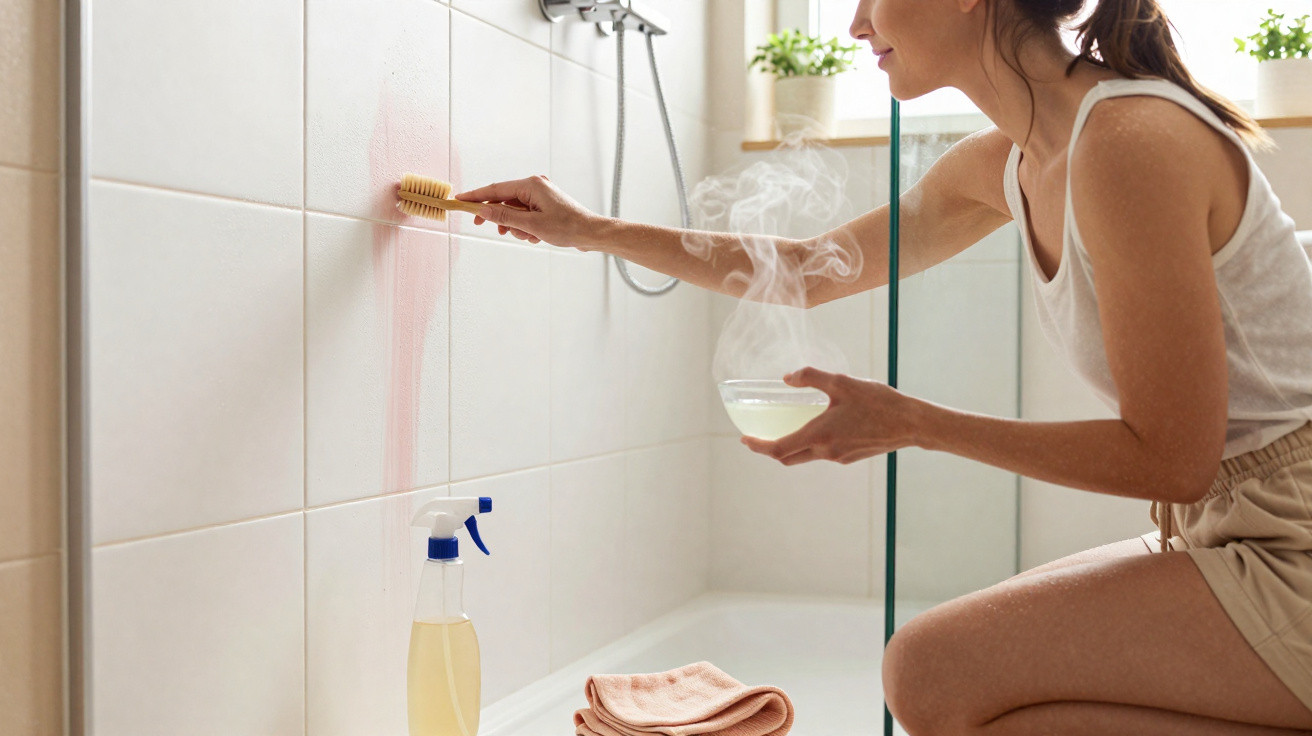
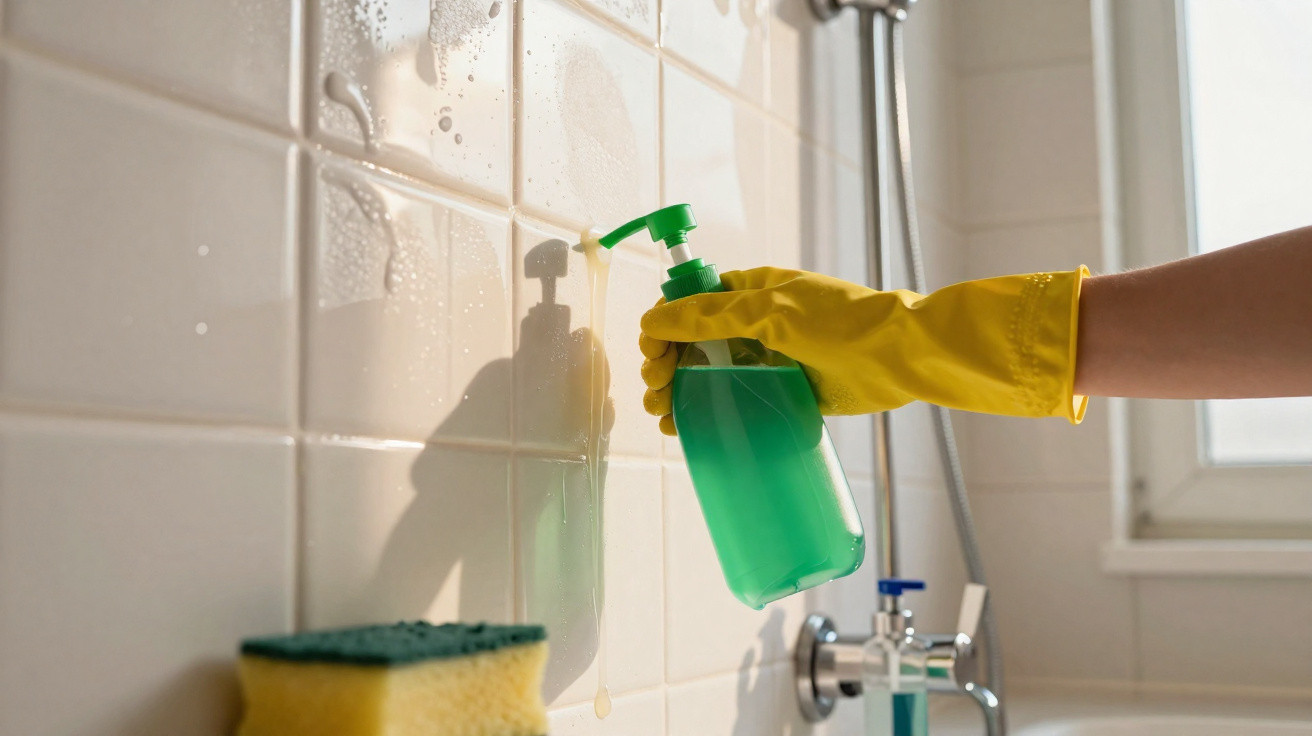
In kitchens, this mixture works well on stainless-steel worktops, tiles, grout and hobs, helping to loosen grease and food splashes. Spray it on, leave it for 5 to 10 minutes, then scrub using a soft sponge. If grout is especially darkened, sprinkle on bicarbonate of soda and use an old toothbrush to reach into the corners.
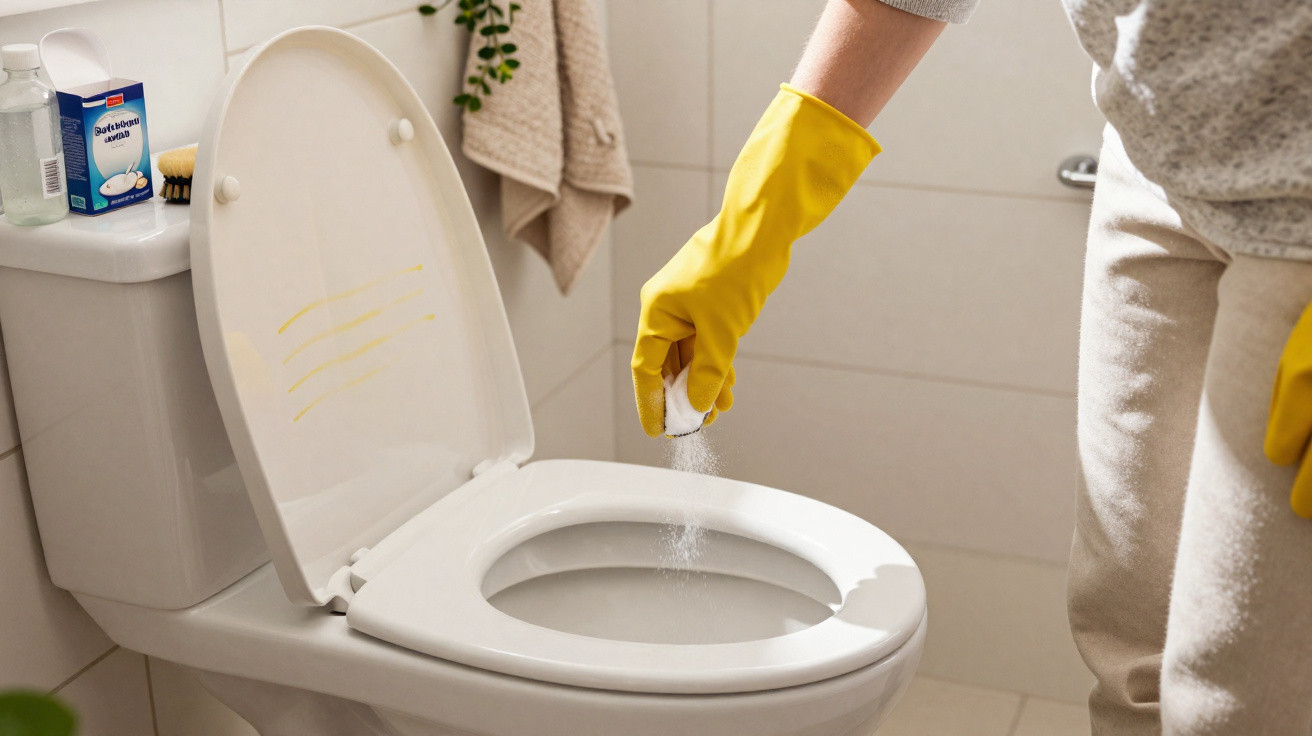
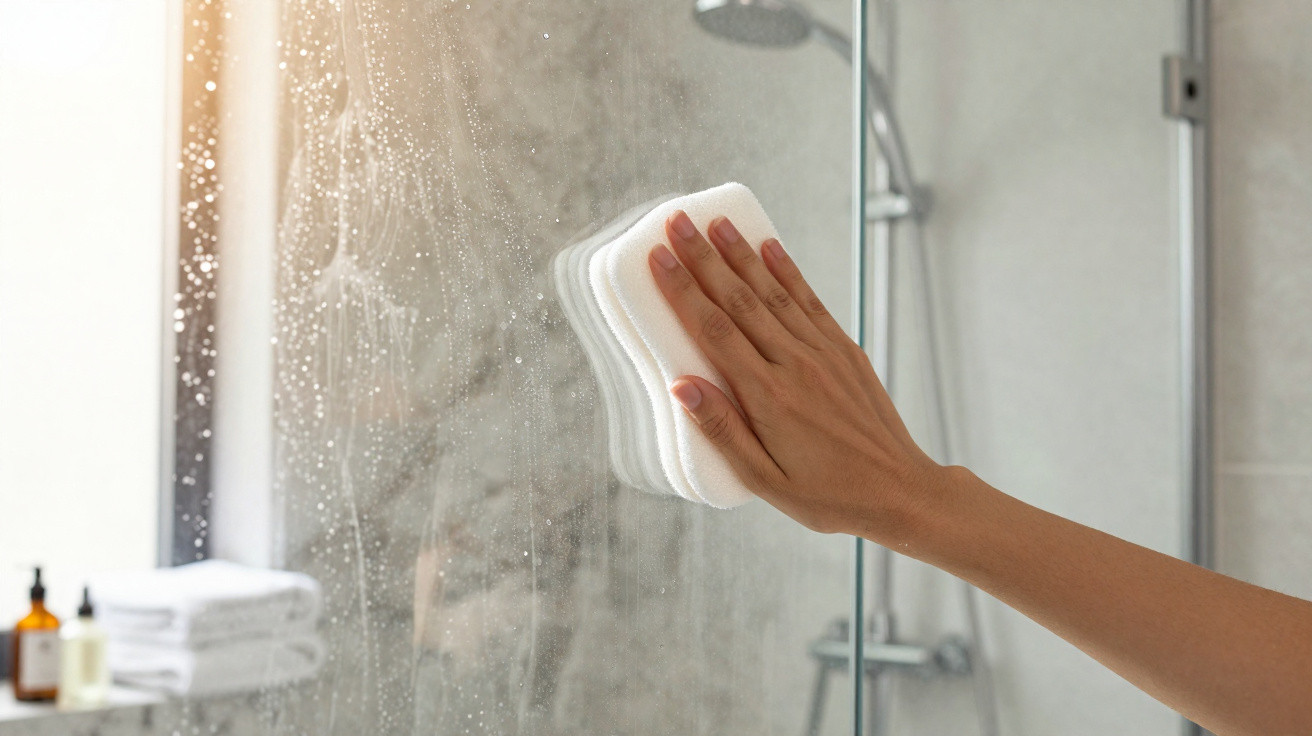
For fridges, microwaves and the inside of cupboards, apply a more diluted solution to a lightly dampened cloth, taking care not to soak the surfaces. In bathrooms, it can be used on sinks, toilets, glass shower screens and tiles, helping to reduce odours from organic residues and soap marks. Always rinse afterwards so that no residue is left behind.
What precautions are needed to avoid damaging sensitive surfaces?
Although they are common household ingredients, vinegar, bicarbonate of soda and lemon need to be used carefully to prevent damage to certain materials in the home. On marble, polished granite and natural stone, frequent use of acids such as vinegar and lemon can leave dull marks, so diluted neutral washing-up liquid is the safer option.
Never use large quantities of the solution on varnished wooden furniture or laminate surfaces: spray it onto a soft, thoroughly wrung-out cloth and wipe quickly. Do not combine this solution with bleach, strong disinfectants or ammonia, as certain mixtures can release unwanted gases. Testing it first on a hidden area can help prevent unexpected results on fabrics, upholstery and delicate surfaces.
Comments
No comments yet. Be the first to comment!
Leave a Comment