
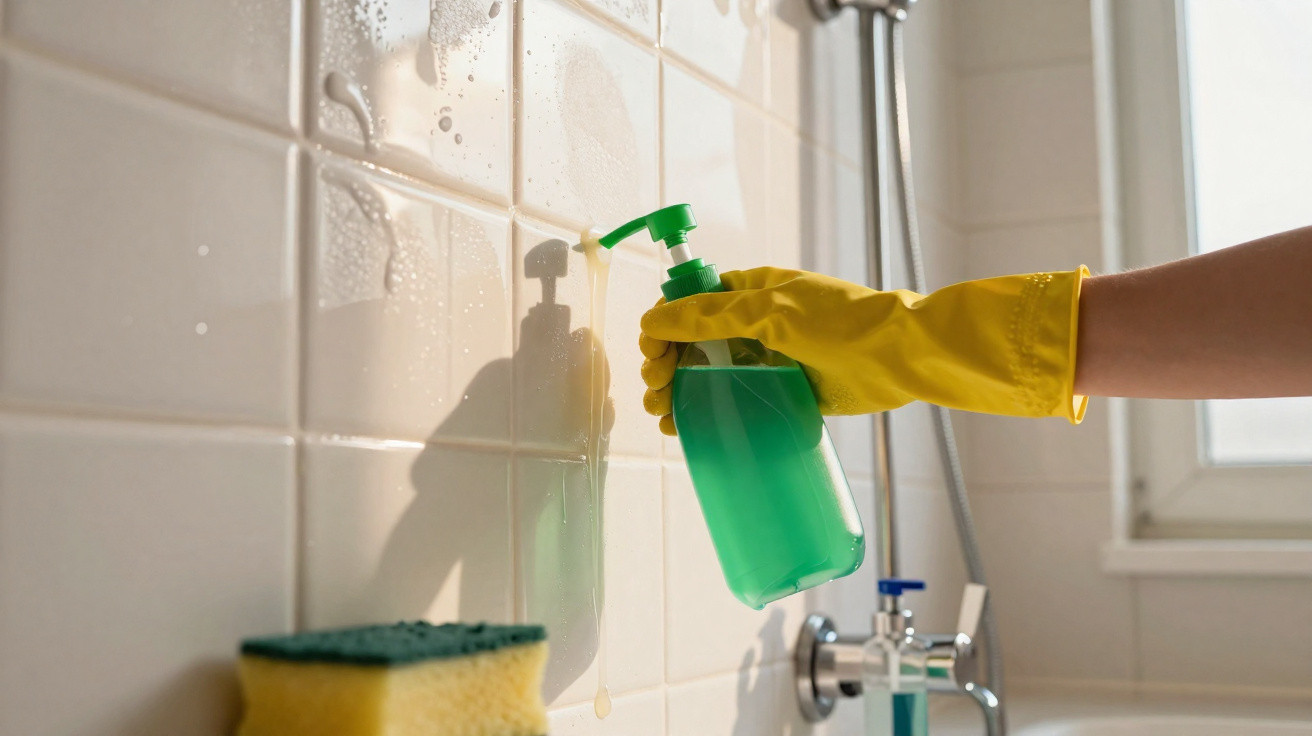
The bathroom tiles were more than simply dirty: they had that particularly dispiriting, lifeless look. A cloudy layer coated the shower wall, mocking the usual spray cleaner, while pale grey marks ran through the grout where soap scum seemed determined to stay. With a sponge in one hand and my phone in the other, an intensive arm workout was the last thing I wanted.
Social media was full of supposed miracle solutions: vinegar, bicarbonate of soda and powerful sprays with a swimming-pool smell. None of them made much difference to my own tiles, which remained stubbornly matt.
Then, on an ordinary Tuesday, the answer was sitting beside the kitchen sink - the very last place I expected to find it.
I had nearly thrown it away.
When a greasy kitchen product met a grimy shower wall
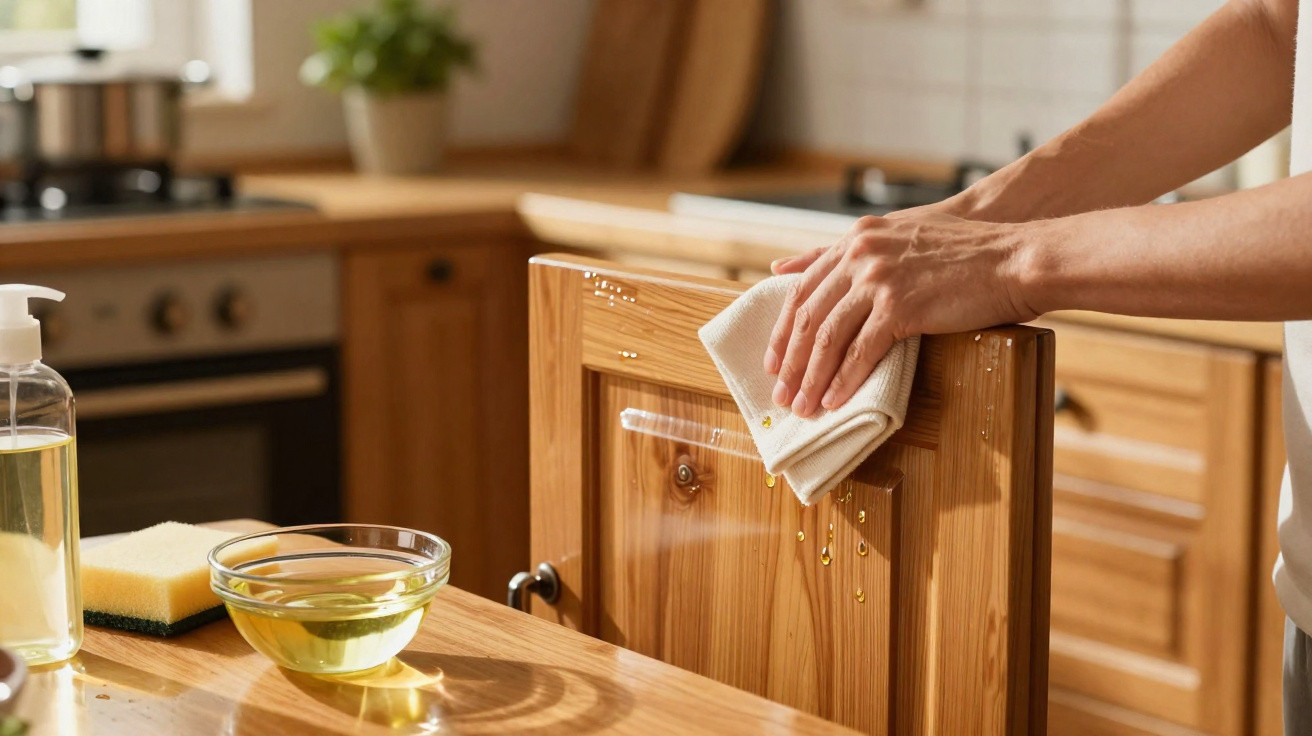
The discovery happened on one of those unplanned, slightly chaotic cleaning days. I had just washed the dishes and my hands were wrinkled from the hot water when I noticed the bottle of washing-up liquid on the worktop. Bright, slippery and familiar, I picked it up without thinking as I tidied the kitchen, then paused.
Its label claimed it could “cut through grease in seconds.” That prompted an obvious thought: soap scum is essentially greasy soap stuck to tiles. It clings, dries out and seems unwilling to shift.
I looked from the bottle to the bathroom door, then back again. With a shrug, I headed towards the shower.
Let’s be honest: hardly anyone cleans bathroom tiles as regularly as they claim. The first time I used washing-up liquid on mine, it was partly a joke. I squeezed a modest strip directly onto a damp sponge - the same sponge I had used for plates an hour earlier.
I gently wiped one square of the wall, with no enthusiasm at all. There were no aggressive circular motions and no pressure. But once I rinsed that small patch, it looked different. The tile appeared brighter, almost as it had on installation day, whereas the rest of the wall looked worn out.
That little clean square stood out like a missing tooth in a smile. Once I had seen it, I could not ignore it.
There is straightforward reasoning behind this minor revelation. Tile residue consists of fats, hard-water minerals and traces left by shampoo, shower gel and cleaning products. In time, these substances bind together into the dull crust that you can keep wiping without properly removing.
Washing-up liquid is designed to break up fat and oily residue quickly. Whether it is on a plate, a saucepan or a shower wall streaked with shampoo, the principle is the same. The surfactants in washing-up liquid attach themselves to grease molecules, lift the film and allow water to wash it away.
The real secret was not force. It was allowing enough contact time and using the right kind of slip.
How to clean tiles with washing-up liquid without aching arms
This is the uncomplicated approach that became a small routine. Begin after a warm shower, or splash the tiles with hot water. The heat helps soften the deposits and prepares the surface for the product.
Use the ordinary washing-up liquid beside your sink. A standard degreasing formula is ideal; there is no need to buy anything special. Put a small amount on a soft sponge or non-scratch scourer.
Then sweep it across the tiles. Do not grind away or punish your wrists. Use slow, overlapping passes, as though you were washing a large, flat plate fixed to the wall.
On the most persistent areas, leave the washing-up liquid in place for a few minutes. You can put on a load of laundry, reply to a message, scroll for a while and return. The product works while you get on with something else.
Rinse with warm water from the top down. The cloudy coating should lift away, and water will run smoothly down the surface rather than catching in patches. Should an area still appear dull, apply another thin layer and repeat the process.
We have all had that moment when a stronger product seems necessary, when the real answer was a milder one allowed a little more time.
A common mistake is assuming that more soap means more cleaning power, then covering the tiles in huge waves of foam. That only wastes product and turns rinsing into a minor ordeal. A thin, evenly spread film is sufficient. Another familiar error is using an abrasive scourer that scratches the tiles or harms the grout, then blaming the technique rather than the tool.
Patience and gentle pressure outperform aggression in cleaning almost every time.
“There’s this weird satisfaction in seeing the rinse water go from milky to clear,” laughs Lena, 34, who tried the dish soap trick on her rental’s tired bathroom. “I’d resigned myself to that greyish film. Five minutes with dish soap and a sponge, and my landlord thought I’d bought new tiles.”
- Use warm rather than cold water to soften old soap scum before applying washing-up liquid.
- Spread a thin, even coating of washing-up liquid with a soft sponge to prevent surface scratches.
- Leave it for 3–5 minutes on stubborn spots, giving the degreasing ingredients time to work.
- Rinse from top to bottom to prevent streaking and save time.
- For a “hotel bathroom” shine, quickly wipe glass or glossy tiles with a microfibre cloth.
When the kitchen gives the bathroom a useful lesson
What surprised me most was not the result itself, but the relief it brought. The solution had been at home all along: I did not need another miracle product, only a new way of viewing the products already available.
The bottle of washing-up liquid still belongs in the kitchen, but it now has another purpose. While pasta water is boiling, I sometimes grab it to give the bathroom basin a quick wipe. On other occasions, it is the shower floor. The job feels smaller, and the dread eases.
There is a subtle power in these small household discoveries as they pass from person to person. A neighbour mentions one in the corridor, someone shares a before-and-after picture online, or a colleague reveals a tip over coffee. Gradually, one simple bottle beside the sink becomes a multi-purpose tool.
It may not remove years of neglect in one go. You might still require a stronger product occasionally for extreme situations. Yet in an ordinary, well-used bathroom, washing-up liquid can be the unassuming, almost invisible helper that stops tiles reaching the “I give up” stage.
It also prompts a broader question about the specialised bottles arranged in our cupboards: anti-limescale, anti-soap scum, anti-this and anti-that. We spend, spray and hope. Sometimes, though, the real solution is quieter, cheaper and almost boring.
The next time that film starts creeping across the shower wall again, you may remember this small experiment. The kitchen and bathroom suddenly share the same language: a sponge, a little washing-up liquid, warm water and a few minutes of your time.
Then rinse, stand back and watch the tiles catch the light once more, as if they are saying: that was all we needed.
| Key point | Detail | Value for the reader |
|---|---|---|
| Everyday product | Ordinary washing-up liquid breaks down greasy soap deposits on tiles | Uses an item already in the home, with no extra expense |
| Gentle method | Warm water, a thin layer of liquid, brief contact time and light wiping | Cleans effectively without exhausting scrubbing or harming surfaces |
| New habit | Brief, occasional wipes rather than infrequent “deep-clean” marathons | Keeps tiles brighter over time and makes cleaning sessions less overwhelming |
FAQ:
Question 1: Can I use any washing-up liquid on my bathroom tiles? Most standard, non-abrasive washing-up liquids work well. Avoid products containing granules or harsh additives, and test a small area first if you have delicate tiles or natural stone.
Question 2: Will washing-up liquid damage grout lines? When used with a soft sponge and thoroughly rinsed, washing-up liquid is generally kind to grout. Rough scourers or metal sponges are the greater concern, as they can wear away the joints.
Question 3: How often should I clean tiles with washing-up liquid? In a typical family bathroom, cleaning once every week or two is normally enough to prevent major build-up. Fast touch-ups on visible marks can extend the time between more thorough cleans.
Question 4: What if the soap build-up is very old and thick? You may need two or three applications of washing-up liquid, leaving it on slightly longer each time. For exceptionally stubborn layers, alternate with a limescale remover, although washing-up liquid often tackles more than expected.
Question 5: Does this method work on glass shower doors too? Yes, washing-up liquid can remove the greasy film from glass, especially with warm water and a microfibre cloth. Rinse it thoroughly and wipe it dry to avoid streaks.

Comments
No comments yet. Be the first to comment!
Leave a Comment