
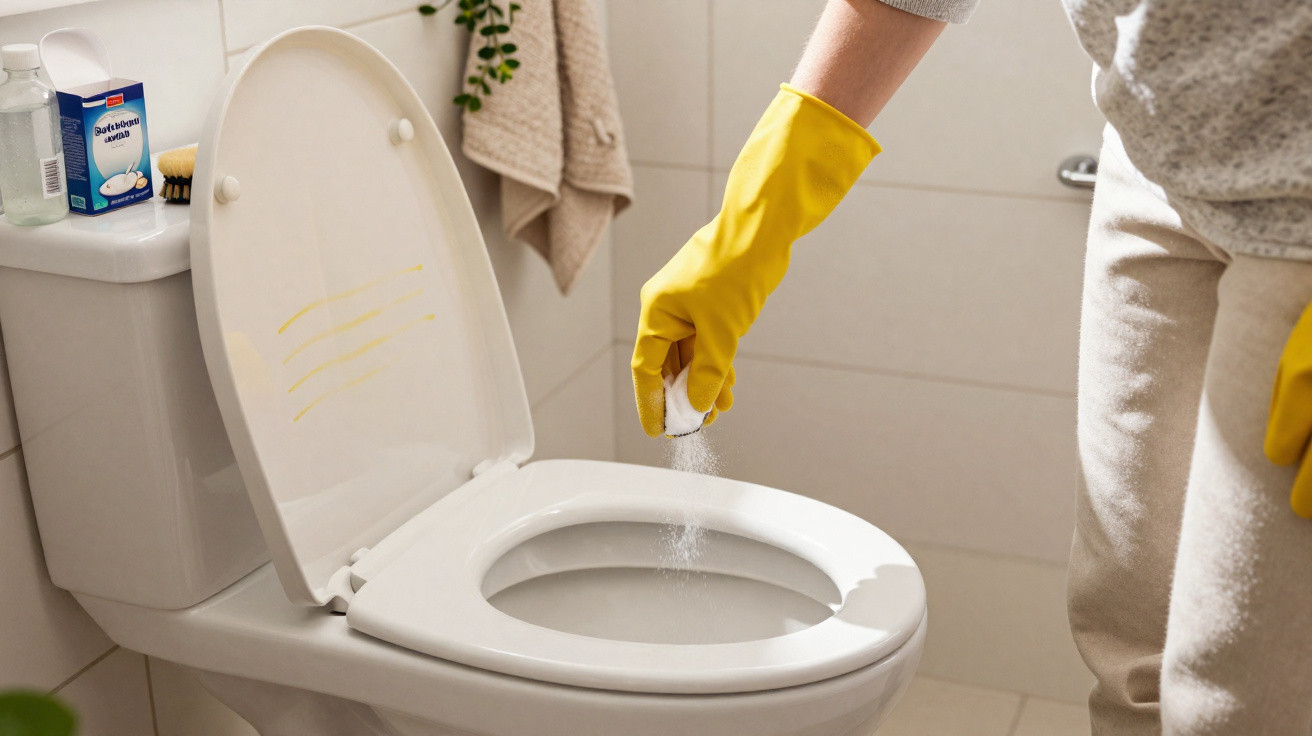
Left untreated, these marks become more pronounced, limescale turns solid, and ordinary cleaners can appear to have little effect. However, an inexpensive, rather unremarkable household pairing is gaining favour with people seeking a fresher bathroom without overwhelming chemical fumes.
Why the “triple yellow line” is not merely unsightly
In plenty of homes, the toilet is given a rapid brush, a squirt of blue gel and little else. It may look acceptable at first glance, but the hygiene picture is less reassuring. The bowl, rim and waterline can harbour bacteria, including strains such as E. coli, which may spread via droplets or through contact with surfaces.
Eventually, hard-water minerals create limescale: a coarse, porous coating that holds on to dirt and microbes like Velcro. Because flushing water repeatedly takes the same route, it leaves the recognisable “triple yellow line” at the points where it flows, pauses and dries. As these deposits thicken, stains stick more readily, odours remain, and quick conventional cleaning methods become less effective.
The yellow streaks you see are only the visible side of a deeper mix of limescale, biofilm and trapped bacteria.
Consistent, structured cleaning interrupts this pattern. A weekly routine will generally keep deposits light and manageable. The bigger question is whether powerful chlorine-heavy products are necessary, or whether a more straightforward option can work just as well.
Baking soda and white vinegar: the household duo people already have
Baking soda and white vinegar have long been the unofficial staples of “low-tox” cleaning. Their roles are easy to understand. Baking soda is lightly abrasive and alkaline, helping to dislodge grime and neutralise odours. White vinegar contains acetic acid, which breaks down mineral deposits and restricts microbial growth.
Applied together directly in the toilet bowl, they fizz. The bubbling is not simply satisfying to watch on TikTok: it helps lift residue physically and loosens hardened limescale from the porcelain surface.
Step-by-step: a practical routine for a busy week
No specialist equipment is needed for this approach, only a little time and regular use.
- Begin with a flushed, empty bowl and a toilet brush.
- Scatter baking soda straight onto the yellow lines, along the waterline and beneath the rim.
- Cover the curved route followed by the water from the jets to the drain.
- Slowly pour roughly one cup of white vinegar over the powder.
- Close the lid and leave the foam to work for 20–30 minutes.
- Scrub well, paying particular attention to under the rim and each yellow line.
- Flush once, inspect the bowl, then repeat if stubborn patches remain.
Giving the mixture time to sit allows the acid to soften limescale, rather than making you scrub with force. Two careful treatments will often achieve more than one rushed attempt, which could scratch the glaze.
Let the chemistry do the heavy lifting: time and repetition clean better than force and sharp tools.
When the stains seem “baked in”
In older toilets, or rented homes where cleaning has been neglected, there may be thick chalky edges alongside dark yellow or brown staining. In this situation, expect gradual improvement rather than a ten-minute transformation.
The method can be adjusted:
- Extend the contact time to 30–40 minutes.
- Moisten the baking soda first with a small amount of hot water, making a paste that stays on the bowl walls.
- Complete two or three cycles over the course of a day instead of tackling it in one prolonged session.
Every treatment strips away another layer. As limescale becomes thinner, the bowl should slowly move from dull and streaked to lighter and smoother.
Why households are moving away from harsh toilet cleaners
Conventional toilet gels and blocks frequently contain chlorine, synthetic scents and powerful acids. Although they act quickly, they can bring aggressive fumes, potential irritation to the eyes and skin, and chemical residues that go directly into wastewater.
Baking soda and white vinegar offer another route. Both are readily broken down in the environment, inexpensive to buy, and useful for far more than cleaning toilets, including descaling kettles and deodorising drains.
| Aspect | Baking soda & vinegar | Conventional toilet gel |
|---|---|---|
| Cost per use | Low, bulk products | Moderate to high |
| Fumes | Mild vinegar smell | Chlorine and perfumes |
| Impact on surfaces | Gentle on porcelain | Some risk of damage with frequent use |
| Suitability for septic systems | Generally compatible | Varies by formula |
Plumbers identify a further advantage too: mild acids and abrasives are gentler on pipes and seals than frequent use of aggressive descalers. This is particularly significant in properties with ageing plumbing or septic tanks over time.
Safety rules people still overlook
“Natural” is not the same as completely risk-free. Following two simple precautions keeps this cleaning method sensible and safe.
- Never mix this method with bleach or chlorine-based gels. Combining acid and bleach may produce dangerous gases.
- Where bleach has been used recently, flush several times and wash with plain water before using vinegar and baking soda.
- Use gloves if your skin is easily irritated, and open a window to disperse the vinegar odour.
One clear rule: bleach and acids do not belong in the same bowl, even “just for a minute”.
Preventing yellow lines before they develop
These stains result from a simple sequence: hard water, repeated drying and ignored areas. Places with high calcium and magnesium levels in their water experience quicker limescale accumulation, especially in toilets flushed dozens of times daily.
Preventive routines are more valuable than infrequent intensive cleans. A brief weekly treatment using baking soda and vinegar will normally stop heavy limescale from developing. That can turn a feared bathroom job into a five-minute task.
Small details have a noticeable effect:
- Brush beneath the rim, where the water jets exit; this is where the triple line starts.
- Avoid relying on coloured blocks that only scent the water, as they seldom deal with mineral deposits.
- In very hard-water areas, schedule a slightly longer monthly clean with more contact time.
The often-forgotten cistern also benefits from occasional maintenance. A brief soak in diluted vinegar can reduce internal limescale that interferes with the mechanism. Strong acids should not be left inside for hours, however, as they can harm rubber components, making proper timing and rinsing important.
Quick options for busy days: heat and targeted tools
When there is little time available, minor adjustments can make the same ingredients work harder. White vinegar warmed gently to below boiling point breaks down mineral deposits more rapidly. When added to baking soda, it produces warmer, more active foam that tackles heavy crusts sooner.
Some homeowners use specialist pumice stones intended for ceramic surfaces. If handled carefully on a thoroughly wet surface, they can remove old, persistent rings. The danger comes from applying excessive pressure or using them on dry porcelain, both of which may create tiny scratches that collect grime later. For many households, two or three patient baking soda and vinegar treatments are still the safer choice.
What this routine reveals about changing cleaning habits
The understated popularity of this technique reflects a wider change. Increasingly, households are questioning whether everyday cleaning requires strong chemical cocktails. Instead, they are choosing simpler products that continue to meet hygiene needs while avoiding harsher effects.
Public health agencies still emphasise that mechanical cleaning - brushing, wiping and rinsing - is central to removing microbes. Baking soda and white vinegar follow that principle: the fizz loosens and raises residue, while the brush completes the cleaning. For homes with children or pets, using fewer intense fragrances and less chlorine is attractive for comfort as well as environmental considerations.
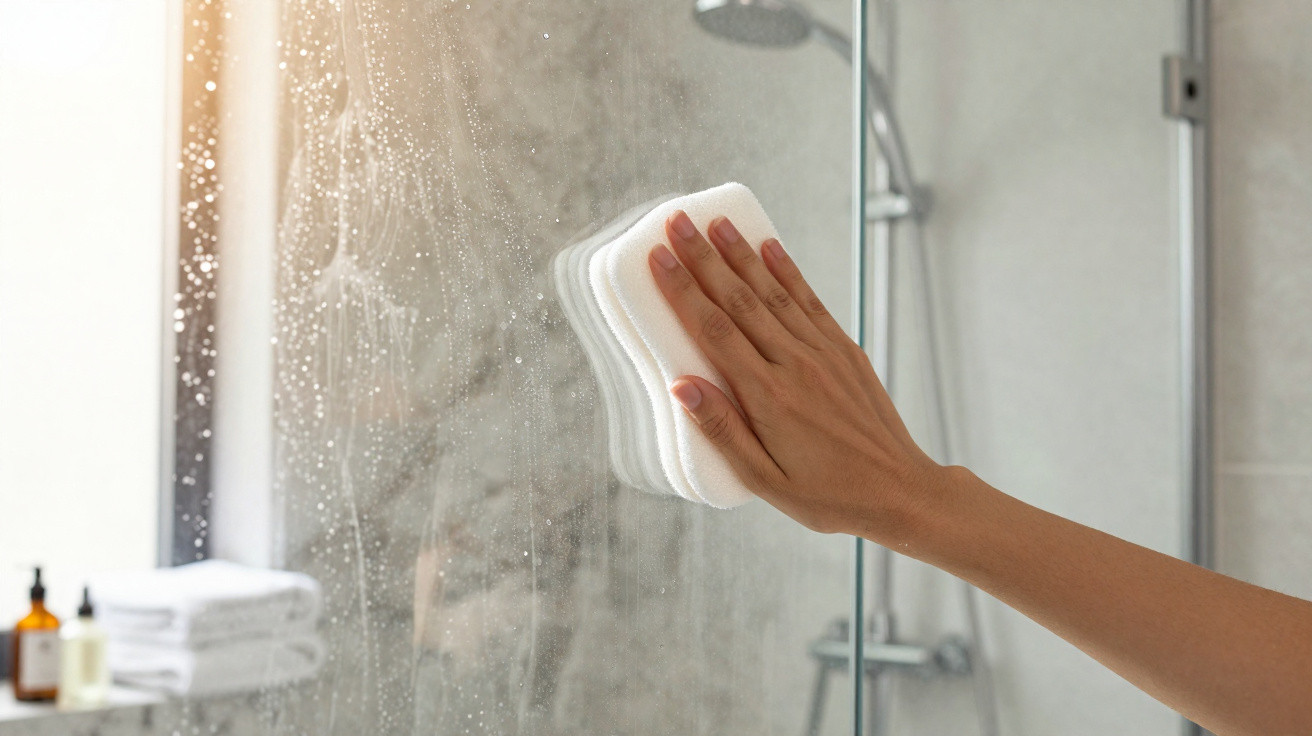
This approach can be used in other areas prone to limescale around the home. Shower screens, taps and kettle elements respond to the careful application of mild acids including vinegar or citric acid. Every surface needs its own technique, yet the underlying method remains the same: loosen minerals without force, prevent scratching, and repeat the process before deposits harden.
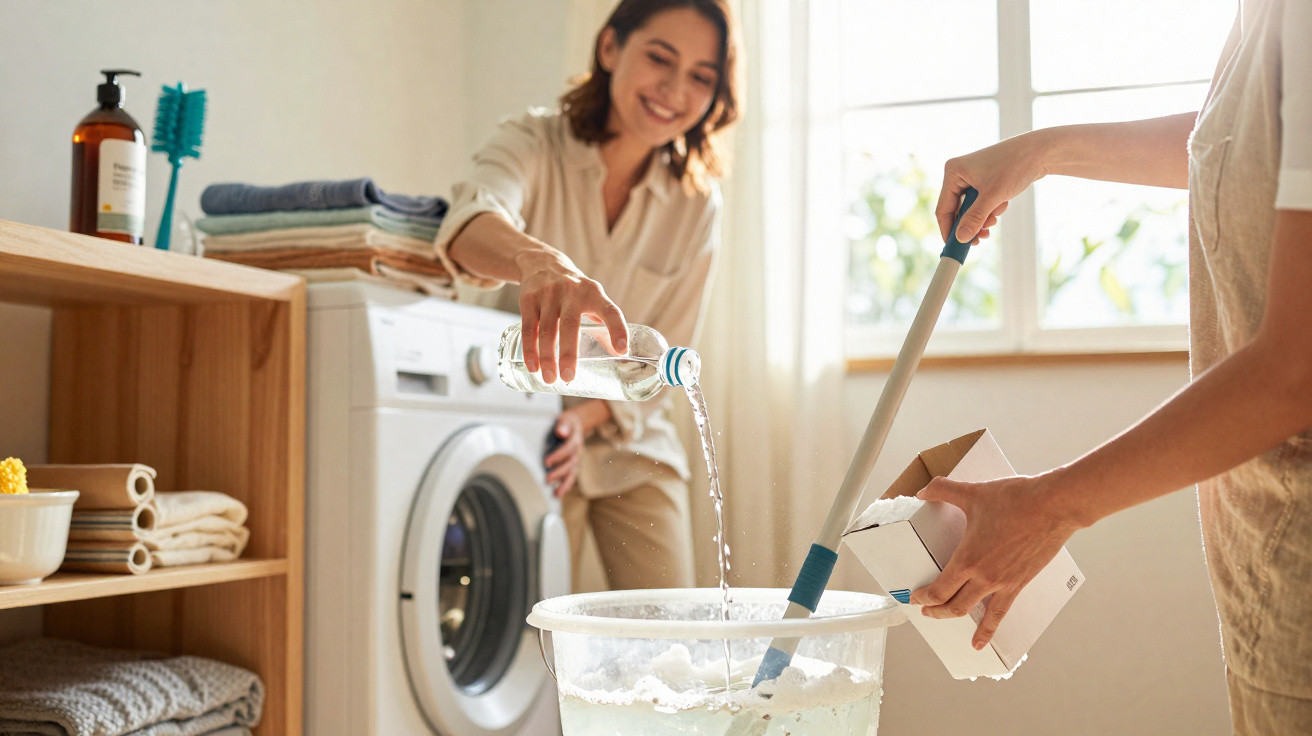
There is a cost benefit as well. With living costs increasing in both the UK and the US, replacing several branded products with two basic items reduces the shopping bill. If one box of baking soda cleans the toilet, freshens the fridge and supports laundry, the cleaning cupboard becomes less cluttered and the budget gains some breathing room.
Comments
No comments yet. Be the first to comment!
Leave a Comment