
Among the household appliances used most regularly, the washing machine often gets little attention when it comes to cleaning. Yet its frequently overlooked filter directly affects washing efficiency, laundry hygiene and even electricity consumption.
Why is it important to clean the washing machine filter?
The filter catches lint, hair, small items and detergent residue released from clothes during wash cycles. Once it becomes full, water can no longer circulate properly, so the machine has to work harder to complete its task, increasing wear and energy use.
From a hygiene perspective, insufficient maintenance creates a damp environment that encourages fungi and bacteria, which may spread through the drum and hoses. This can leave laundry with an unpleasant smell even after washing, while also raising the likelihood of faults, unusual noises and, on more modern models, error messages.
How often should you clean the washing machine filter?
The best cleaning interval depends on how often the washing machine is used and the types of garments being washed. For households running the appliance several times each week, technicians advise cleaning it every 15 to 30 days. This interval should be shortened with heavy use, such as washing dirty workwear, bulky bedding or pet items.
The machine type matters too, as top-loading and front-loading models use different filtration systems. On some appliances, the filter is visible inside the drum; on others, it sits at the lower front behind a flap. Even when following the manual, professionals note that slightly more regular cleaning can help prevent blockages and unexpected stoppages during rinsing or spinning.
What signs show it is time to clean the washing machine filter?
Certain machine behaviours act as “silent warnings” that the filter is dirty. Noticing these day-to-day changes can prevent more significant damage and make it easier to schedule maintenance before the issue becomes more serious.
- A persistent bad smell coming from the drum or the outside of the machine.
- Laundry emerging with large amounts of lint, pet hair or small fragments after washing.
- Water remaining in the drum, or excessive delay in emptying it at the end of a cycle.
- Unusual noises while draining or spinning.
- Error messages on the display, or the programme stopping before it has finished.
How to clean the washing machine filter and what are the benefits?
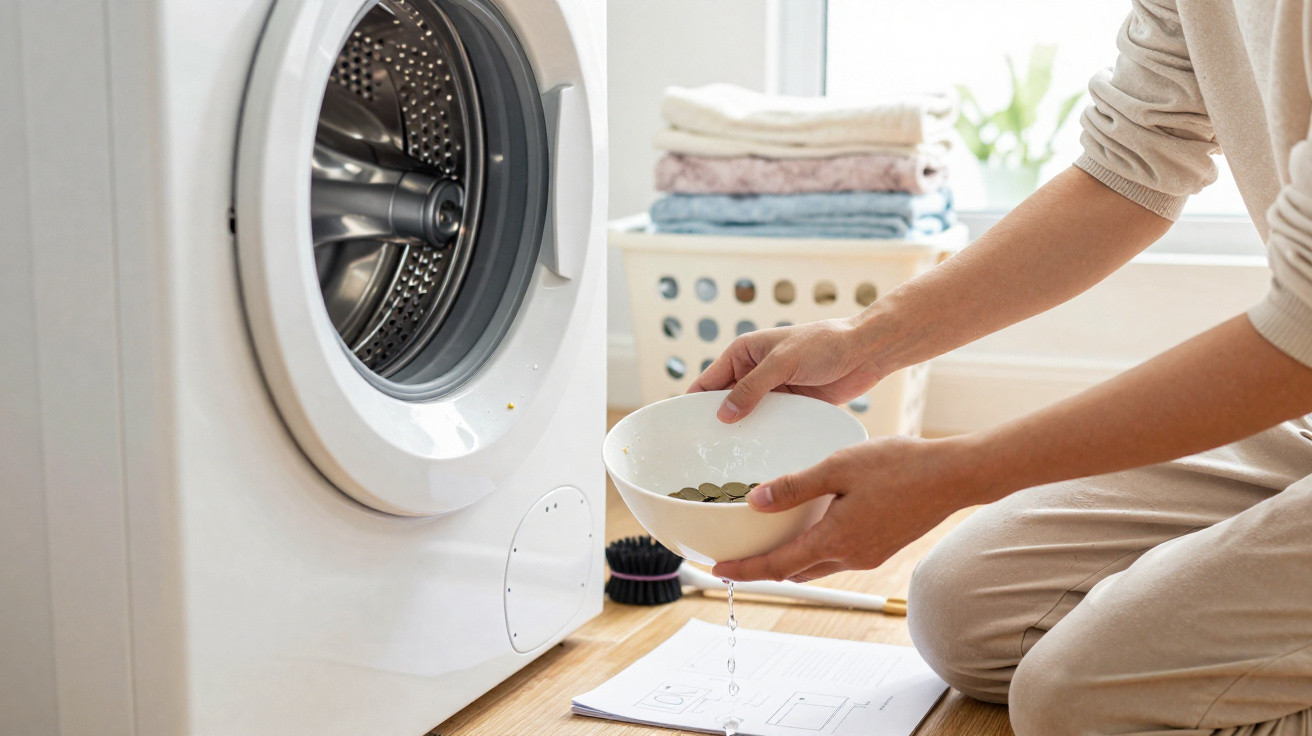
The basic cleaning process is straightforward and can usually be carried out by anyone in the household. First, unplug the appliance, find the filter-inside the drum, on the inner side or at the lower front-then carefully remove it. Rinse it under running water, using a soft brush if needed, check the housing for dirt and refit the part securely.
This quick routine offers practical advantages: it improves washing performance, reduces strain on the pump, hoses and motor, lowers the risk of blockages, helps keep internal odours under control and can extend the washing machine’s service life, preventing unexpected maintenance costs.




Comments
No comments yet. Be the first to comment!
Leave a Comment