
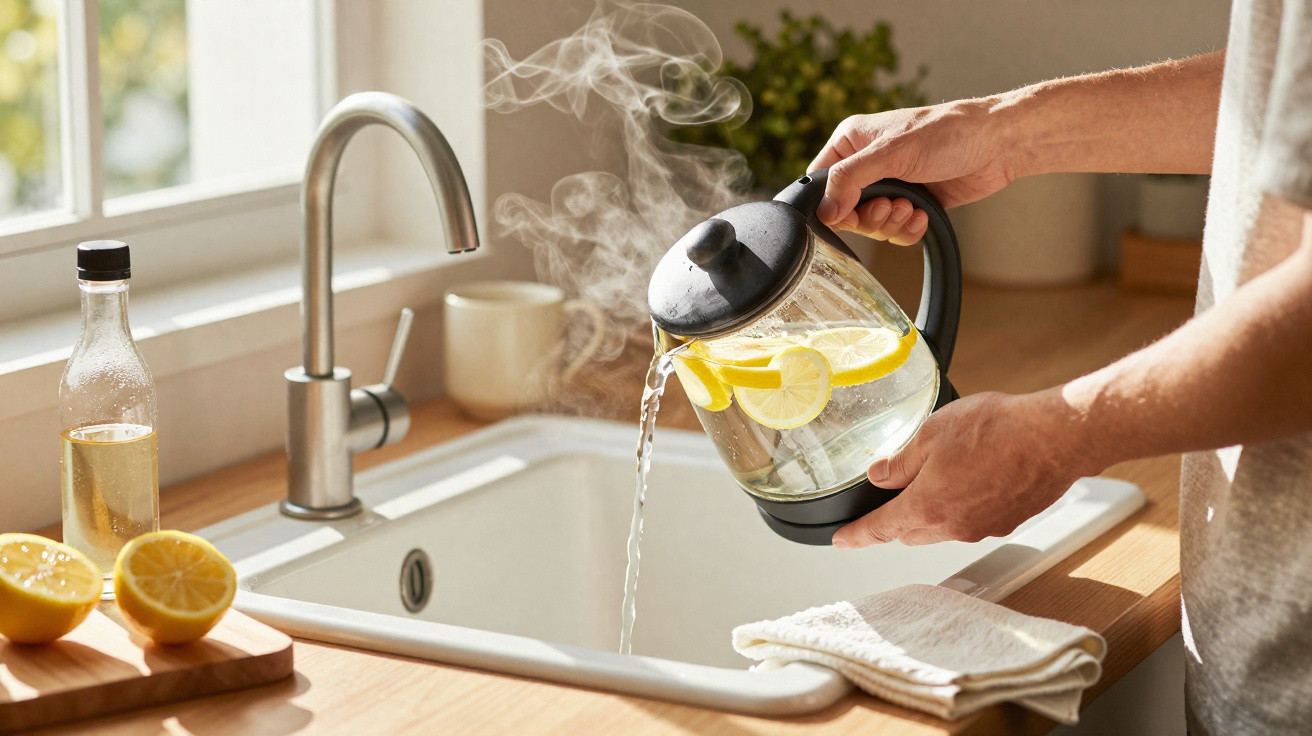
Limescale in the kettle shows up as a white or greyish layer on the base and inner walls of the appliance. It is mainly caused by hard water, which contains high levels of minerals, and can affect the taste of drinks, slow down boiling and reduce the kettle’s efficiency.
The white layer does not form by chance
Limescale develops when minerals such as calcium and magnesium are left behind after water has been heated repeatedly. Over time, these deposits cling to the bottom of the kettle.
With electric kettles, the build-up can interfere with heating and make the appliance work harder. Regularly removing limescale in the kettle therefore helps keep it in good condition for longer.
- Hard water: contains minerals that create white deposits when boiled.
- Citric acid: helps loosen limescale without vigorous scrubbing.
- A clean kettle: boils more effectively and prevents an unusual taste in the water.
- Gentle cleaning: means avoiding steel wool and abrasive products.
In the kitchen, the easiest method relies on mild acidity
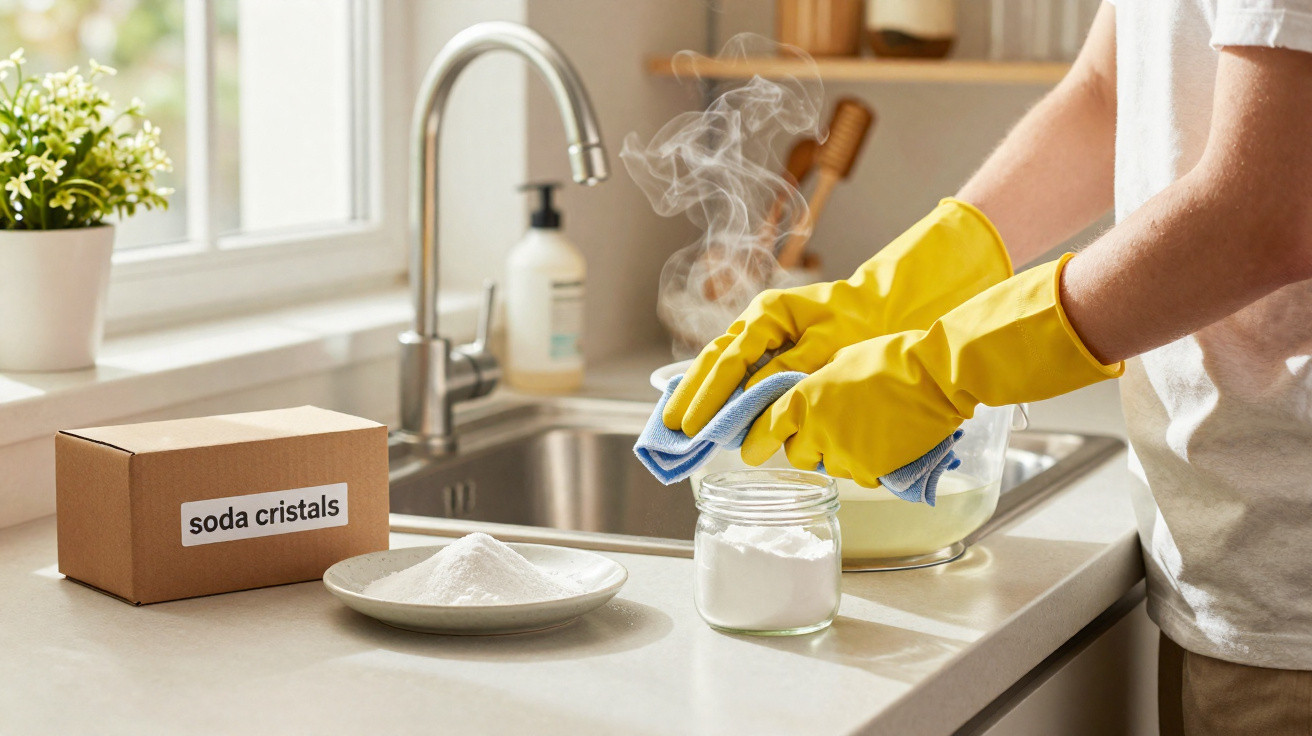
To remove limescale, fill the kettle with enough water to cover the stained area, then add lemon juice, citric acid or diluted white vinegar. Heat the mixture and allow it to sit for a few minutes.
Once it has rested, pour away the solution and rinse thoroughly. If deposits remain, repeat the method patiently, without scraping the base with metal objects.
The final rinse makes all the difference
Kettle cleaning is not complete as soon as the limescale comes away. It is important to boil clean water once or twice and discard it, particularly if vinegar was used.
Do not mix cleaning products
Safety comes before speed
Never combine vinegar with bleach, chlorine or disinfectants, as this may release dangerous fumes.
Also avoid scented, abrasive or bathroom cleaning products, since the kettle comes into direct contact with drinking water.
This final rinse removes odours, remaining acidity and any small loose flakes. Afterwards, dry the outside and leave the lid open for a few minutes to allow the kettle to air.
The required frequency depends on your household water
In areas with harder water, the kettle may need cleaning once or twice a month. If the white layer returns quickly, it is worth doing it more often before the deposit becomes thick.
To limit build-up, avoid leaving water standing in the kettle for many hours. Emptying it after use and giving it a quick rinse with clean water can already help reduce residues.
A well-maintained kettle lasts longer
Removing limescale in the kettle does not require force, steel wool or harsh chemicals. Mild acids, enough contact time and a thorough rinse will usually deal with most cases.
Ultimately, regular cleaning protects the taste of the water, improves boiling efficiency and stops the appliance from working harder than it should. It is a simple habit that makes a difference to coffee, tea and the lifespan of the kettle.
If this tip could make someone’s kitchen cleaning easier, share it with anyone who keeps finding that white layer at the bottom of their kettle.
Comments
No comments yet. Be the first to comment!
Leave a Comment