
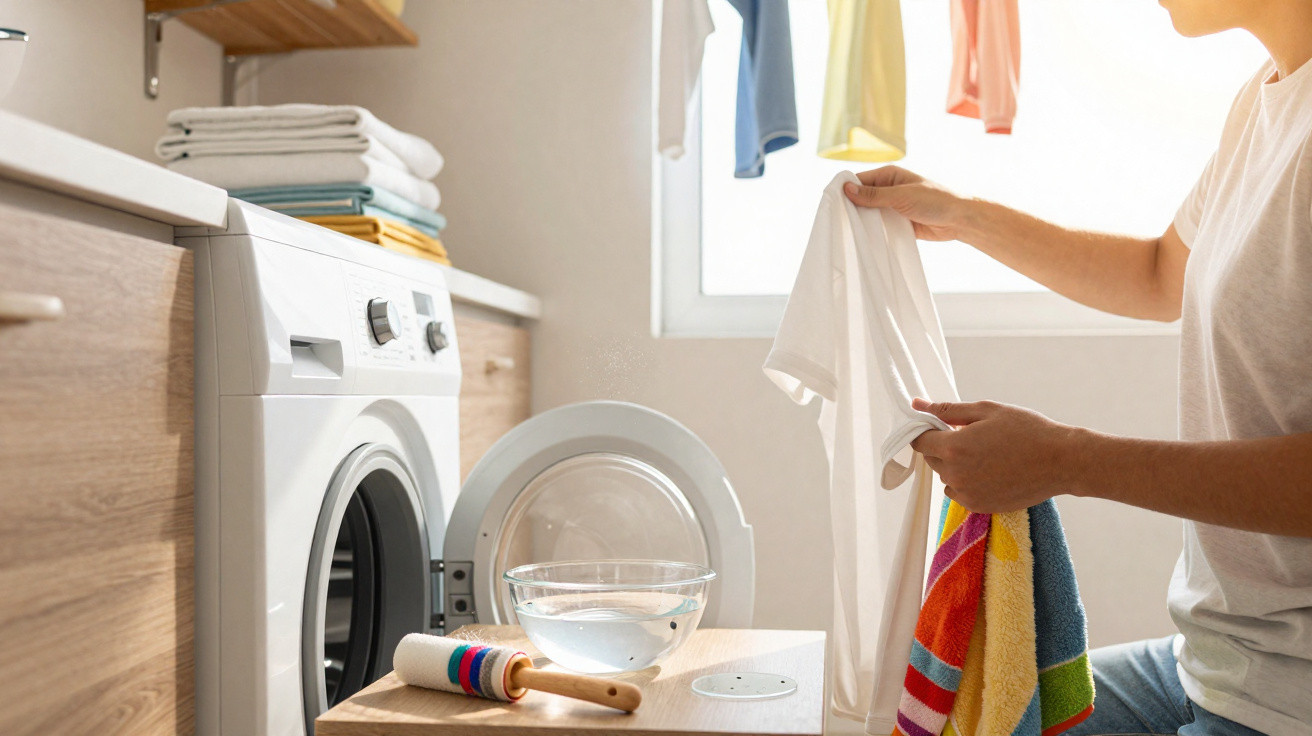
Weekend laundry routines can become hectic when the basket is full of clothes. To reduce the number of washing machine cycles, many people combine different items, overlooking the serious risks of contamination and the build-up of lint on delicate fabrics.
Why does washing towels and T-shirts together damage clothes?
Putting a bath towel and a cotton T-shirt in the same wash cycle can visibly affect household clothing. Coarse textile fibres shed large amounts of unwanted fluff, leaving garments looking worn and with a rough texture that is very uncomfortable for everyday wear.
The rush to clear an overflowing laundry basket also exposes fabrics to unnecessary friction during the machine's agitation. This speeds up the premature wear of every cotton T-shirt, causing distortion and drastically shortening the life of a favourite garment.
Mixing these items incorrectly has several negative effects on everyday clothes:
- Lint stuck to clothing: T-shirts collect tiny fibres that are difficult to remove afterwards.
- Damaged fabrics: Excessive friction breaks down the fine textile fibres in lightweight cotton.
- Bacterial growth: Micro-organisms from damp towels can transfer to ordinary T-shirts.
- Unpleasant smell: Casual garments can take on the distinctive stale odour of stored dampness.
- Inefficient cycles: Mixed loads prevent each material from being cleaned properly and evenly.
What invisible risks are lurking in your towels?
Beyond the cosmetic issues, items that appear clean may conceal serious biological hazards. Dr Bacteria warns that bath towels can easily harbour thousands of dangerous bacteria, making them potential carriers for the spread of serious skin diseases.
Leaving a towel damp for more than two days raises the risk of developing irritating bacterial conjunctivitis exponentially. The expert compares drying your face with this contaminated fabric to using contaminated water from the toilet bowl.
In the full video shown on the Speak Brazil YouTube channel, the specialist demonstrates the most effective practical strategies for keeping your home hygienic:
How should bathroom mats and fabrics be disinfected properly?
To prevent cross-contamination between clothes, the most critical bathroom items must be cleaned beforehand. Fabric bathroom mats and face towels require careful disinfection before being placed in the washing machine.
Cleaning Guide
Step-by-step disinfection
Completely separate face towels and fabric bathroom mats before beginning the wider laundry-room process.
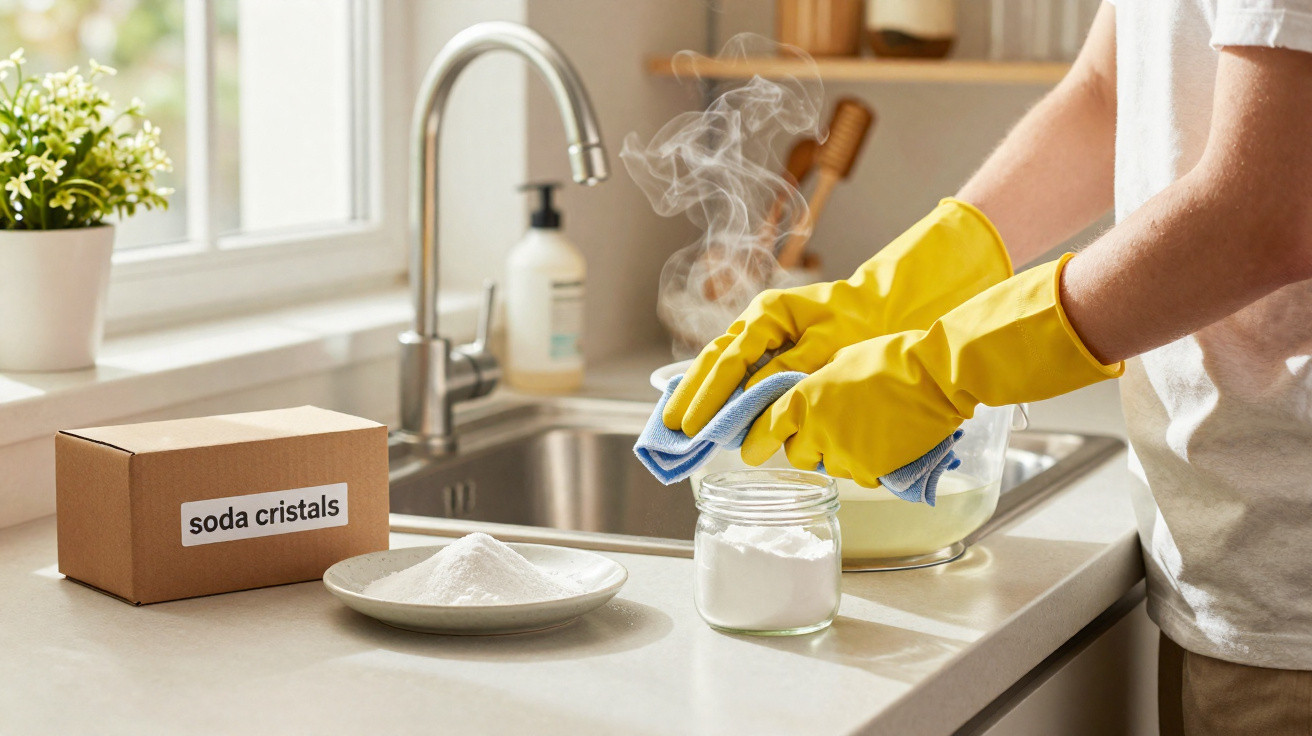
Use an effective mixture of spirit vinegar and a glass of water, or choose a concentrated disinfectant of your choice.
This initial soak should last between fifteen and twenty minutes to ensure harmful germs are fully eliminated. Once this protective soaking period is complete, the disinfected fabrics can safely be moved to the washing machine drum.
Following this procedure provides immediate benefits for the household routine:
- It prevents bacteria from spreading throughout the washing machine during normal cycles.
- It ensures bathroom mats are free from micro-organisms that fall from the air.
- It delivers deep, safe cleaning for items used on the face and hands.
How often should fabric items be changed?
Maintaining a strict replacement schedule is essential to stop fungi and bacteria multiplying in the bathroom. The floor mat should be changed daily, as it directly receives harmful germs that constantly fall within the humid environment.
Face towels used to dry hands, on the other hand, should be replaced every two or three consecutive days. Fluffy bath towels only need changing twice a week without compromising residents' health.
Organising these intervals properly helps keep the home protected:
- Change fabric mats daily to limit airborne contamination.
- Replace face towels regularly every two or three days.
- Renew large bath towels twice each week.
How should towels be stored and dried every day?
The way clean fabrics are stored also needs close attention to prevent unpleasant bathroom odours from developing. Setting up a small dedicated cupboard in the room helps safeguard the items, while preserving a tidy appearance and proper hygiene.
On cloudy days without sunshine, an electric towel rail is an excellent technological option for quick drying. This equipment reduces excessive moisture in the damp room, decisively preventing the rapid growth of dangerous filamentous fungi.
Read also: Why fabric softener should not be used on bath towels

Comments
No comments yet. Be the first to comment!
Leave a Comment