
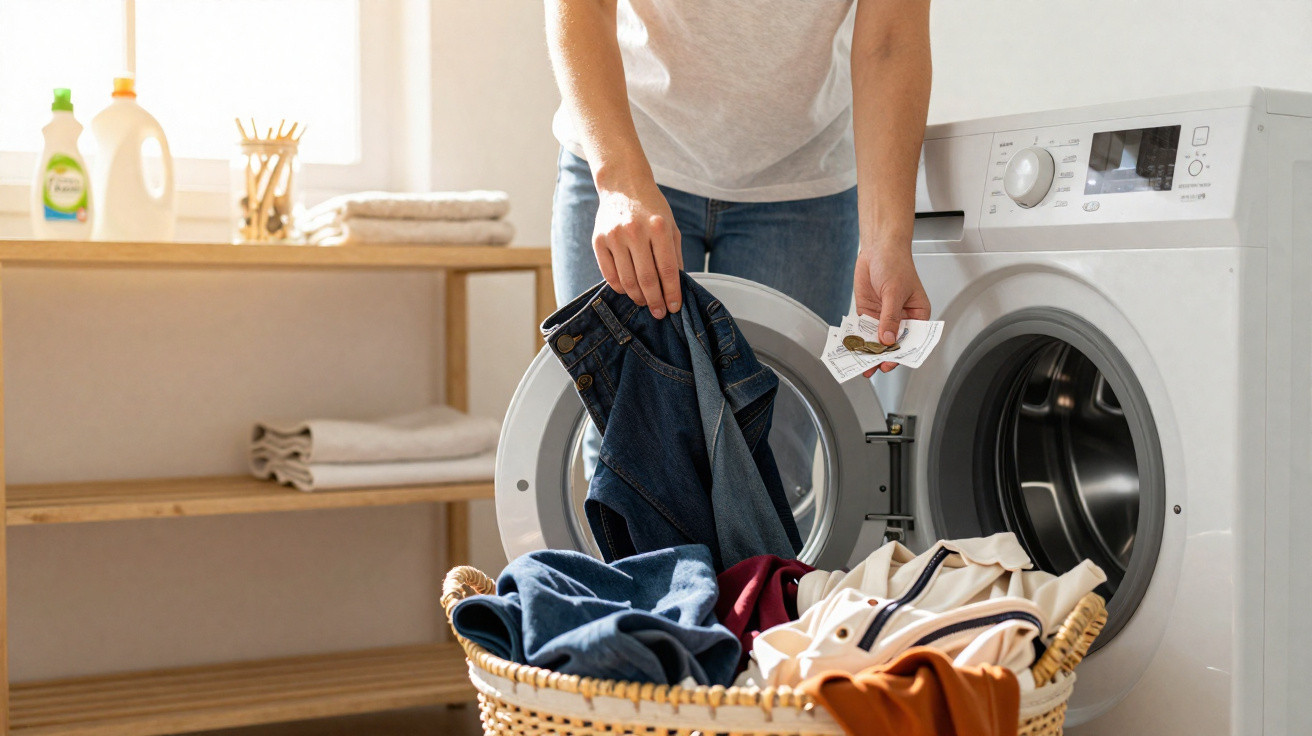
Many households spend hundreds of pounds on replacement clothes every year because T-shirts, trousers and shirts start to look worn after only a short time. Yet the problem is surprisingly often not the wash cycle itself, but small oversights immediately before the machine is switched on. A few straightforward habits can significantly extend the life of textiles – while also leaving the washing pile looking smoother, cleaner and more refined.
Why your washing machine slowly “eats” your clothes
Inside the drum, conditions are rougher than many people realise. Fabrics rub against one another, buttons catch, zips scrape, and hard items knock against delicate fibres. An overfilled load compresses everything even further, practically setting creases into the fabric.
“Preparing your clothes properly before washing halves wear and saves hassle, money and ironing time.”
The good news is that neither specialist detergent nor costly extra equipment is needed. Five quick steps before starting the washing machine can noticeably improve the condition of your wardrobe.
1. Turn clothes inside out: the simplest protective layer
Perhaps the most effective tip is also the least conspicuous: consistently turn garments inside out before washing. It takes only seconds, but gives the outer surface a small layer of protection.
- The “good” side has less contact with the metal drum.
- Fabrics mainly rub together on their inner sides.
- Fine fibres and surfaces stay smooth for longer.
This is particularly worthwhile for items that are more visually delicate:
- T-shirts and hoodies with prints or large logos
- Blouses with lace, embroidery or delicate patterns
- Fine knitwear and sensitive viscose or modal fabrics
Once this becomes a habit, it eventually happens automatically: take the item off, turn it inside out straight away, then put it in the laundry basket. This prevents many small but visible signs of wear.
2. Fasten buttons: less pulling, less stretching
Unbuttoned plackets become little traps inside the drum. They catch on other garments, pull at them and can cause misshapen collars, permanent bulges or torn-off buttons.
“Fastened buttons support the garment and prevent unnecessary strain on collars, plackets and seams.”
Closing them is especially useful for these items:
- Shirts and blouses (fasten the top button and one or two lower buttons)
- Bedding with button fastenings
- Dresses with a row of buttons at the front
There is no need to fasten every single button, but secure the important ones so the item keeps “its shape” and flaps about less. Less pulling means a longer lifespan – and less frustration when ironing.
3. Zip up zips: no more scratches or pulled threads
Open zips act like miniature sanding tools in the washing machine. Their teeth scrape over fabrics, pull threads, leave pale streaks or create pilling on delicate surfaces.
Before every wash, therefore:
- Fully close all zips
- Position the slider downwards so it is less likely to catch
- Put jackets and trousers in a laundry bag if delicate items are being washed alongside them
Jeans zips, coarse outdoor jackets, sports bags and hoodies with metal zips are particularly problematic. Otherwise, they can damage T-shirts, underwear and thin blouses in the same load.
4. Pocket check: empty pockets save entire loads
A forgotten tissue, sweet wrapper or coin is enough to ruin a full load of washing. Paper disintegrates into tiny flakes that cling to every item. Loose change, screws and keys damage fibre structures and can even scratch the drum.
“A ten-second pocket check protects clothes, the machine and your nerves.”
Be strict with yourself and turn it into a fixed routine:
- Pick up every pair of trousers individually.
- Check front pockets, back pockets and side pockets.
- Do not forget jackets and hoodies – inspect inside pockets too.
This is especially worthwhile in family homes, as children and teenagers often leave chewing gum, pens or headphones in their pockets. Finds like these can quickly cause expensive damage inside the drum.
5. Give jeans and dark colours extra protection
Jeans are considered hard-wearing, but their outer surface is subject to considerable stress. Other textiles constantly rub against the knees, seat and pocket areas, which can create pale streaks or thin the material.
Three simple rules can noticeably extend the life of your favourite jeans:
- Always wash them inside out
- Wash them with similar dark colours
- Choose a gentle cycle and a moderate temperature
When the inner side takes most of the friction, the outside keeps its intense colour for longer. It also reduces the risk of dark dye pigments transferring to lighter fabrics. This step is especially valuable with new, very dark jeans.
The “hand rule” against creasing and misshapen clothes
The classic cause of a heavily creased pile straight from the machine is a completely overloaded drum. When items can barely move, they crumple against each other, water and detergent reach the fibres less effectively, and creases become almost cemented into the fabric.
“Your hand should fit comfortably between the washing and the drum edge – then the load is right.”
This simple hand rule is a useful everyday guide. If there is no room left, the drum contains too much. The results are:
- Deep creases that are difficult to remove even with steam
- Areas that are washed unevenly
- Greater strain on seams and elasticated cuffs
A slightly looser drum load, by contrast, allows textiles to unfold properly. The spin cycle runs more smoothly, laundry comes out less creased, and many items can be shaken out and hung up straight away – with no ironing at all or far less of it.
These five washing routines at a glance
| Routine | Benefit for clothes |
|---|---|
| Turn inside out | Protects surfaces, prints and delicate fabrics |
| Fasten buttons | Prevents stretching, misshaping and buttons being torn off |
| Close zips | Reduces scratches, pulled threads and pilling |
| Empty pockets | No paper scraps or hard foreign objects in the drum |
| Use the hand rule when loading | Fewer creases, better washing results and gentler treatment |
How these tips affect costs and the environment
Clothes that last longer do not merely mean less frustration; they also provide noticeable relief for the household budget. Anyone who wears their jeans, shirts and T-shirts for four or five years rather than two will naturally need to replace them less often. At the same time, fewer textiles end up in the bin or clothing donation banks.
There is another benefit: when laundry comes out of the machine with fewer creases, the iron is used less frequently and for less time. That saves electricity and time, while reducing the risk of scorching delicate fabrics during ironing.
Everyday examples in practice
Typical daily situations show just how much small mistakes can matter:
- A business shirt with its collar button left open twists in the wash, leaving the collar sticking up unattractively afterwards.
- A pair of jeans with an open metal zip leaves pale streaks on a delicate cotton dress.
- An overloaded wash containing bedding and towels comes out damp and full of sharp creases.
Spending a few extra seconds here saves considerably more time later, whether on ironing, buying replacements or painstakingly removing paper fragments from black clothes.
When extra laundry aids are worthwhile
Depending on the household, a few useful additions can complement the five basic routines. Laundry bags give underwear, fine knitwear and bras extra protection from hooks and zips. A rubber laundry ball can collect pet hair more effectively, preventing it from spreading through every fibre.
Selecting the right wash cycle also matters: use a gentle programme with lower spin speeds for delicate items. Combined with the steps described above, this is usually enough to keep textiles in good condition for significantly longer – without high-tech products or complicated specialist tricks.
Comments
No comments yet. Be the first to comment!
Leave a Comment