
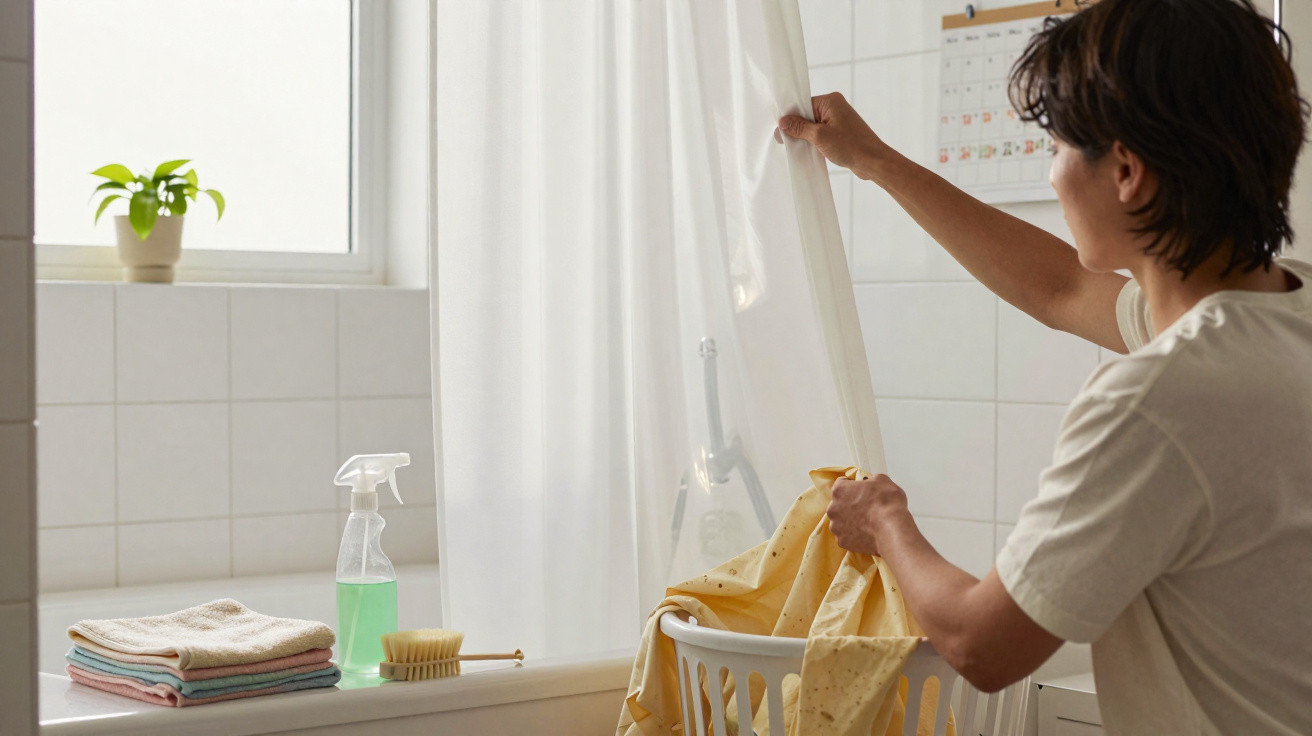
Keeping the most humid room in the home hygienic calls for consistent attention to everyday details. Many people assume a plastic shower curtain needs to be thrown away quickly, yet with proper care its ideal permanent replacement interval is once a year.
When should you replace the shower liner?
Daily moisture build-up and soap residue create favourable conditions for harmful microorganisms. Although common advice recommends changing it every six months, a plastic or PEVA liner can last considerably longer when it receives regular cleaning.
The time to dispose of it comes when washing can no longer remove a lingering smell. If the curtain develops an unpleasant sticky texture or deep stains that will not lift, the accessory has reached the end of its useful life and needs immediate replacement.
How can you keep the shower enclosure completely free from mould stains with no effort?
There is a simple air-circulation secret that prevents dark marks from appearing on damp surfaces and… Read more
How does monthly washing extend the life of the shower curtain?
Following a regular cleaning routine is the most effective way to prevent harmful fungi from multiplying. By carrying out a thorough monthly wash, users remove body-product residue that feeds household mould.
This basic care prevents constant moisture from prematurely damaging polyester or plastic materials. Washable fabrics are refreshed in the washing machine, helping to keep the space much more healthy and visually pleasing for the whole family throughout the year.
Below is a video from the HGTV YouTube channel that explores the points discussed in this topic in more detail:
Why does mould appear so easily on a plastic shower liner?
Bathrooms are naturally enclosed spaces that retain a large amount of water vapour after every shower. Without suitable ventilation, airborne droplets make the curtain an ideal place for biological mould spores to settle.
Soap and shampoo residue splashed during use acts as a genuine food source for these organisms. A lack of quick drying speeds up this damaging process, turning an attractive item into a surface covered with dark stains and unpleasant odours.
Shower Curtain Care
Essential maintenance items
To ensure your accessory lasts as long as possible, use these key resources:
- Choose durable materials, such as PEVA or high-quality polyester;
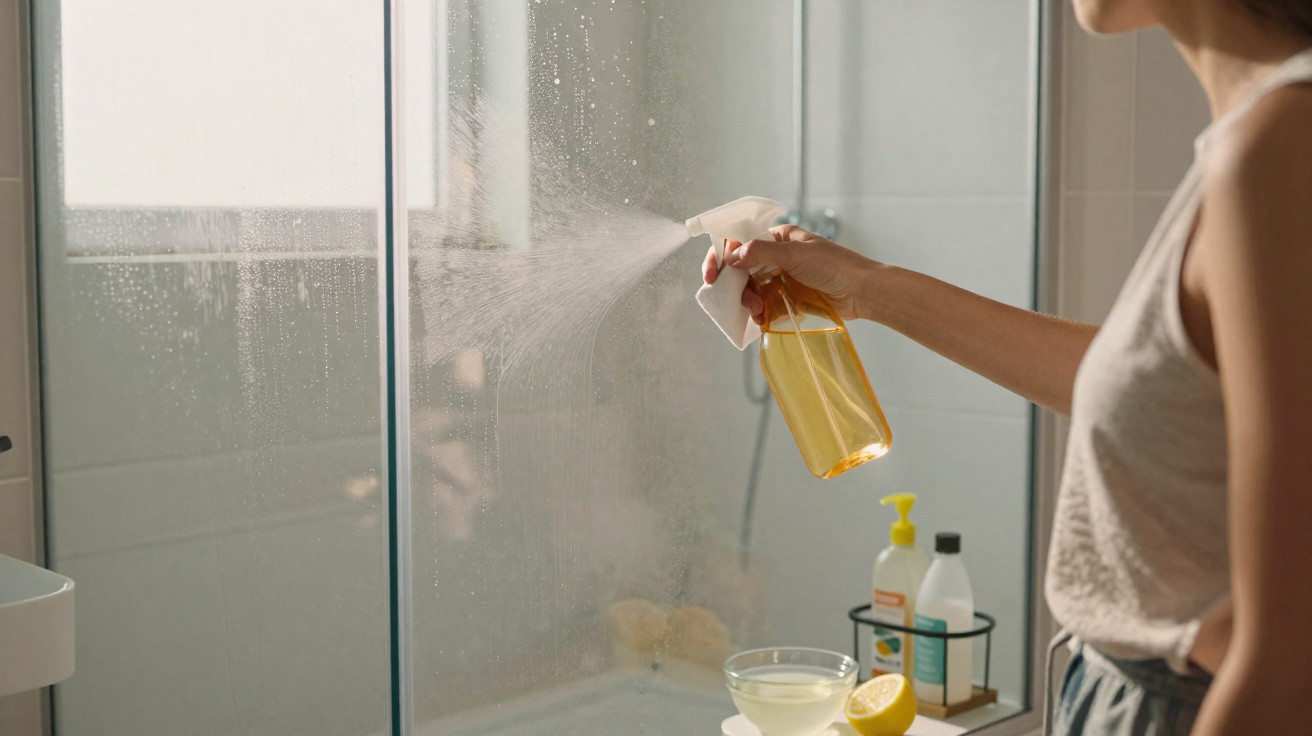
- Keep a spray bottle filled with a vinegar solution for quick weekly cleaning;
- Use easy-to-remove hooks to speed up the monthly washing process.
What care helps prevent dirt from building up in the shower enclosure?
Small daily habits can completely change how well the space is maintained and prevent unnecessary spending on early replacements. Pulling the material fully closed once you have finished showering stops water from collecting in the folds and causing the growth of unwanted bacteria.
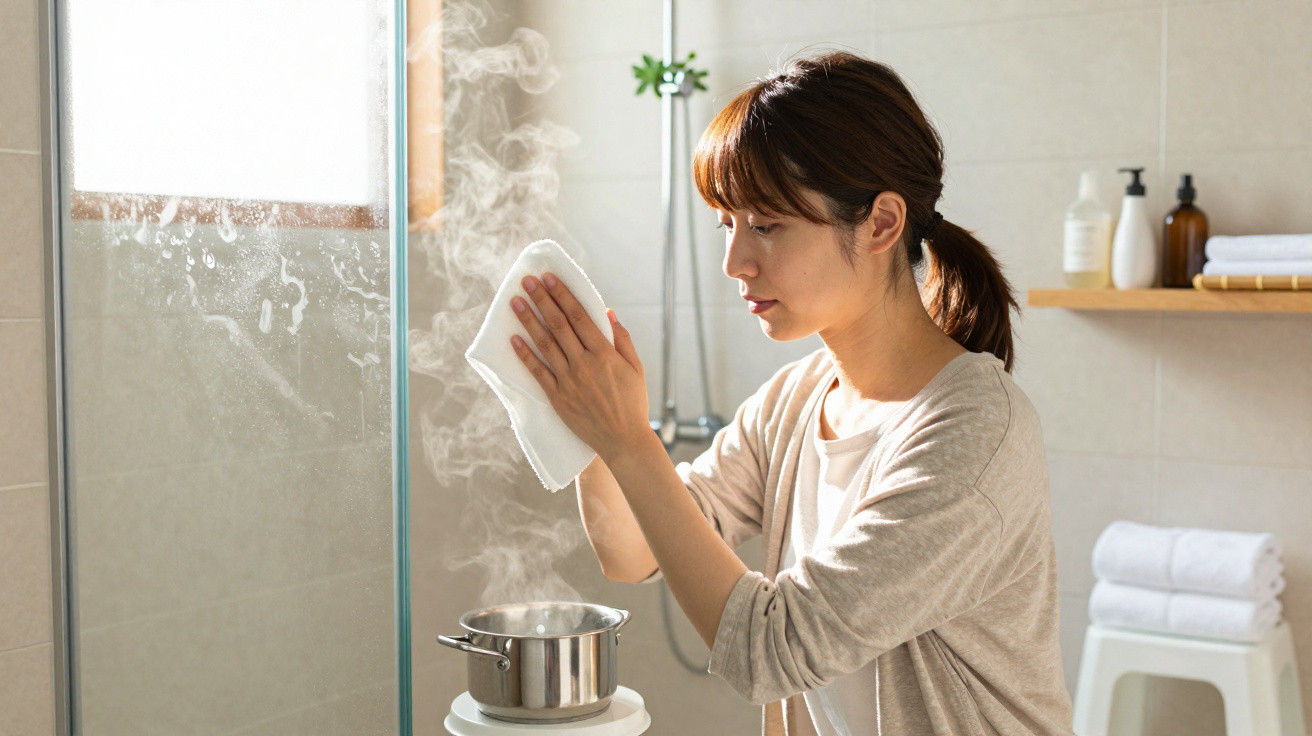
Keeping the windows open encourages continuous airflow, speeding up the natural drying of the entire metal and plastic structure. This simple step reduces the need for intensive treatment, ensuring a much easier cleaning routine and a consistently pleasant space.
Below are the main practical recommendations for protecting your accessory from premature wear every day:
- Open the windows immediately after finishing a hot shower;
- Rinse away any soap residue stuck to the plastic base;
- Fully extend the curtain to prevent moisture from gathering in its folds.
How do you choose the best material for a bathroom curtain?
When buying a new product, selecting the right material makes all the difference to its overall durability. Polyester fabric options offer excellent visual resilience and can be cleaned in a washing machine without any restriction.
Traditional plastic and PEVA models, meanwhile, provide excellent waterproofing, stopping water from running across the bathroom floor. Considering how frequently the shower is used helps determine the best investment for your home, combining practicality with genuine savings.

Comments
No comments yet. Be the first to comment!
Leave a Comment