
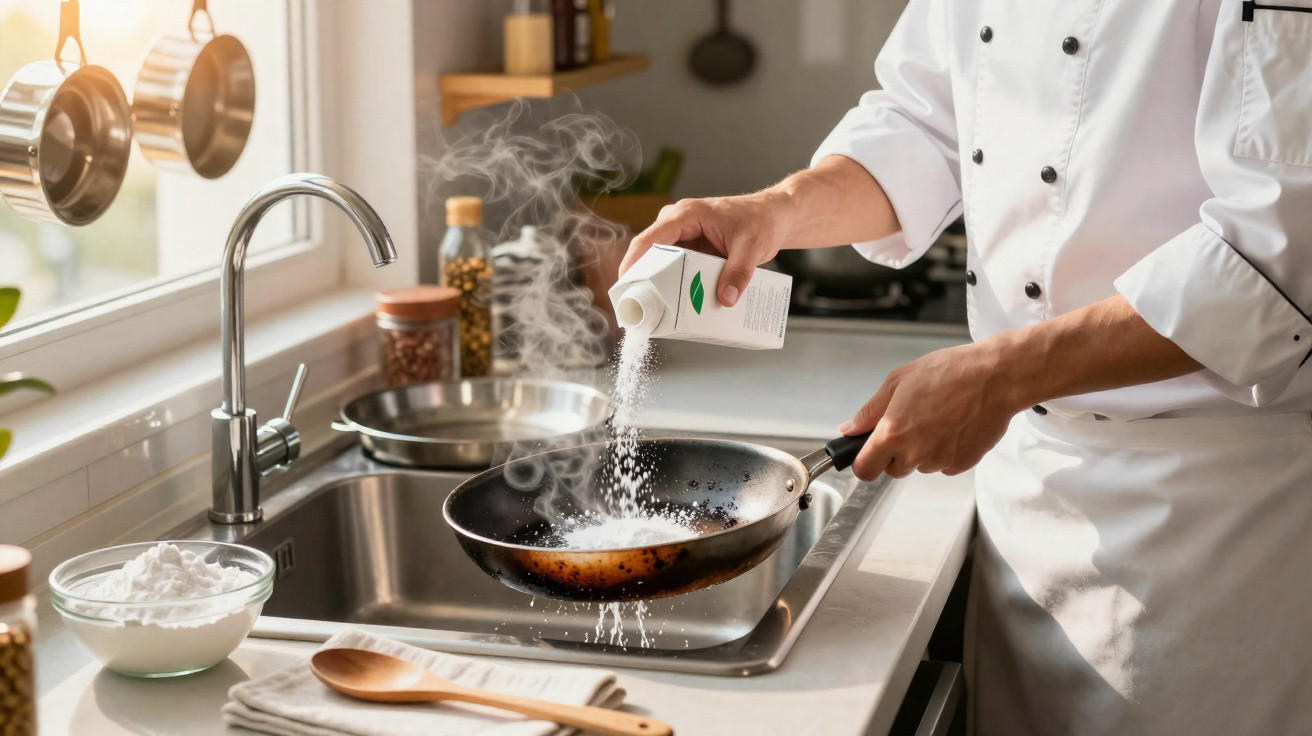
Even among the many cleaning methods available, one time-honoured approach still distinguishes itself through its ease and effectiveness: the baking soda method.
The secret weapon of culinary professionals
Although modern kitchen-cleaning products are plentiful, many chefs continue to rely on modest but powerful baking soda to return pots and pans to immaculate condition. As well as being economical, this technique is environmentally considerate, matching the culinary sector’s increasing focus on sustainability.
A testimony from the kitchen
Chef Marco Julien, who has spent more than 20 years working in high-end culinary establishments, describes discovering this long-standing cleaning trick. “When I first started in the kitchen, we had pots so burnt we thought they were destined for the trash. Then, an old sous chef showed me the magic of baking soda. I was stunned,” recalls Julien.
“Just a sprinkle of baking soda, a bit of water, and some elbow grease, and the pot was as good as new,” he marvels.
Step-by-step: how it works
This simple process suits demanding kitchen settings as well as household use. To use baking soda to clean a burnt pot, follow these steps:
- Scatter a generous quantity of baking soda across the base of the pot.
- Pour in sufficient water to create a paste covering the burnt sections.
- Leave the mixture in place for several hours, or overnight where possible.
- Using a brush or sponge, scrub the paste, paying particular attention to burnt areas.
- Rinse the pot thoroughly with water.
Why does it work so well?
Baking soda, also called sodium bicarbonate, is a gentle alkali that creates an effervescent reaction when combined with water. This action loosens burnt-on residue from the surface, so it can be removed more easily by scrubbing. Its naturally abrasive texture also strengthens the cleaning effect without the severity of chemical cleaners.
The added benefits
In addition to cleaning pots, baking soda deodorises them by eliminating lingering odours from foods cooked previously. This is especially valued in restaurants, where pots and pans can be used repeatedly during service.
Insights and further applications
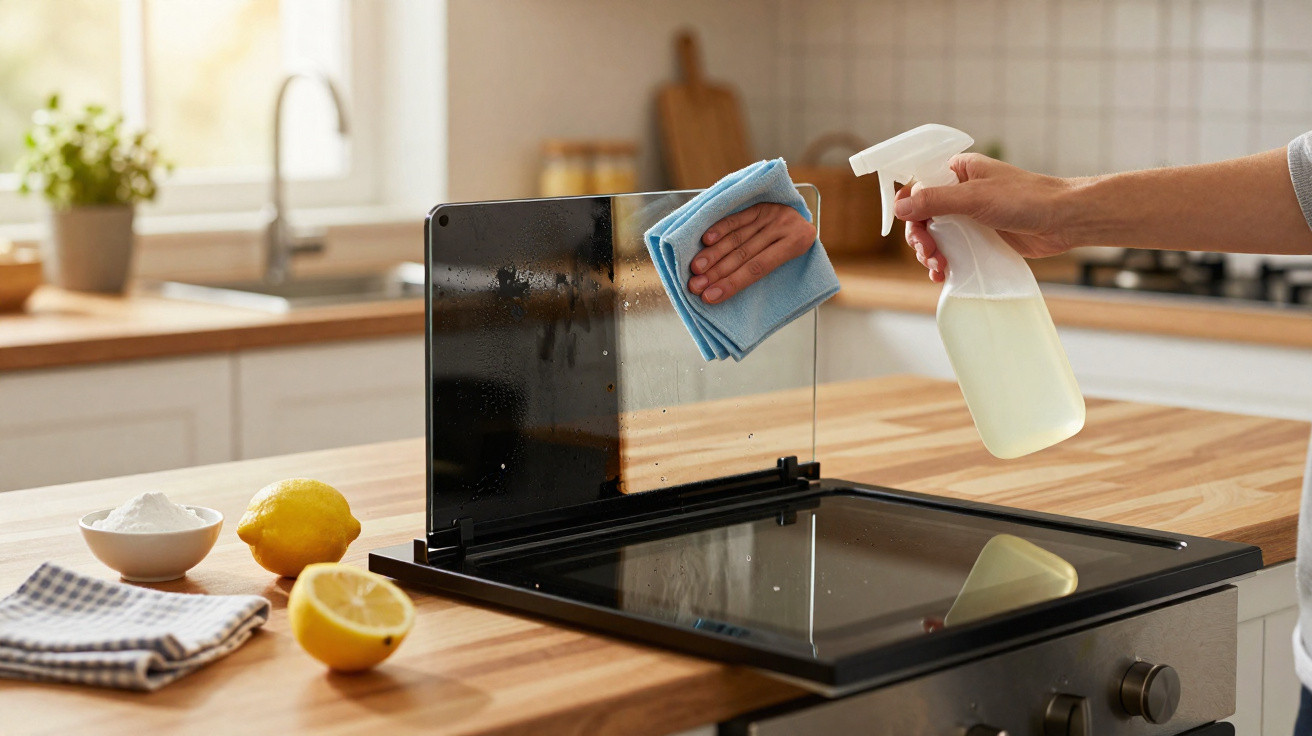
Although the baking soda method is excellent for cleaning burnt pots, it has uses beyond this task. It can polish silverware, clean ovens and even unblock drains. This flexibility has made it a kitchen staple for many professionals, rather than simply a pot-cleaning solution.
Its environmental effect is another important factor. As restaurants adopt greener working practices, baking soda provides a non-toxic replacement for aggressive chemical cleaners, helping to lower an establishment’s overall ecological footprint.
Although chefs now have access to more advanced technology and products, baking soda remains unrivalled for the simple and effective cleaning of burnt pots. It supports the adage that sometimes, the old ways are the best ways.





Comments
No comments yet. Be the first to comment!
Leave a Comment