
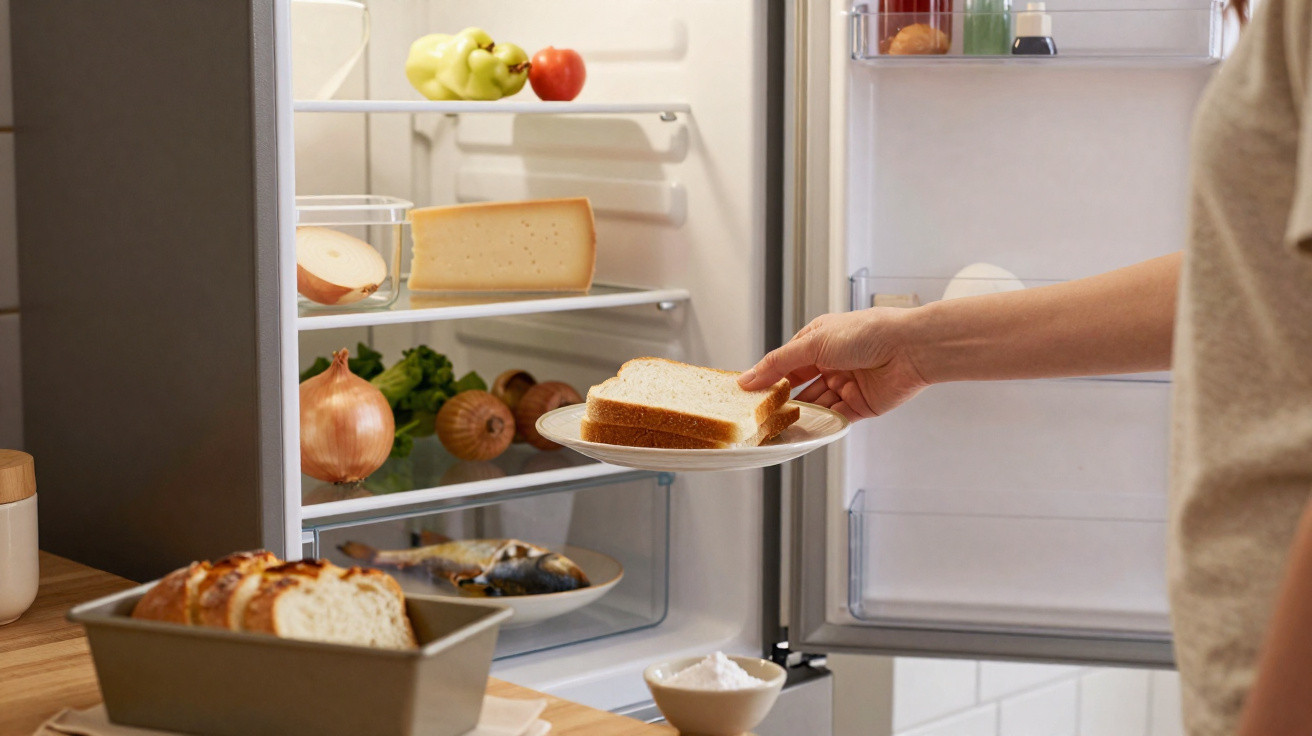
Keeping the fridge pleasantly scented can feel like a daily challenge when it stores many kinds of food and artisan cheeses. Yet a straightforward French trick uses just one old slice of sliced bread to fully neutralise any mingled smells.
How does sliced bread remove fridge odours?
The soft centre of this food acts as a natural sponge thanks to its porous texture. Once placed inside the appliance, the dry slice draws in the volatile particles responsible for bad smells, providing swift household cleaning without harmful chemical products.
This traditional European technique proves that tackling unpleasant odours does not require costly disinfectants. With one sustainable household measure, you can refresh the appliance interior, ensuring your meals retain their original, flavourful aroma whenever you open the door.
Here are the chief advantages of this effective upcycling method:
- Natural absorption: The porous bread centre efficiently traps volatile compounds.
- Genuine savings: It prevents unnecessary spending on expensive products.
- Pure sustainability: It encourages the smart reuse of old food.
- ⏱ Quick action: It neutralises odours within a few hours.
- Complete convenience: This easy method makes the home feel more welcoming.
Why does French cooking embrace this simple habit?
French people value zero waste in their well-organised cooking routines. Turning stale slices into an effective deodoriser reflects a practical philosophy of care, combining everyday savings with the pleasure of maintaining a welcoming home free from unpleasant aromas.
This household wisdom has been passed down through European regions from generation to generation, with great effectiveness. Anyone can use this economical method immediately: simply repurpose food that has lost its freshness to completely change the atmosphere inside the appliance in a sustainable and very quick way.
To understand exactly how to carry out this process in your kitchen, watch the full instructions on the Clean That Up YouTube channel:
Which foods create the worst odours in the appliance?
Leftovers seasoned with garlic and onion are often the leading complaint in modern kitchens. Mature cheeses also release powerful compounds that quickly affect the air inside, calling for an immediate absorption solution to stop other ingredients acquiring a strange taste.
Kitchen alert
Aroma culprits
Strong-smelling foods require tightly sealed airtight containers.
A build-up of unprotected leftovers compromises internal hygiene.
Open containers of sauces or fish can also intensify the spread of these unpleasant aromas throughout the fridge. Fortunately, by adopting this French habit, you prevent cross-contamination, protect the quality of delicate dairy products, and keep the appliance consistently clean and highly sanitised.
Consider the following factors when arranging stored food:
- Seasoned foods kept without a suitable lid.
- Strong cheeses that release intense aromatic gases.
- Fish and seafood stored incorrectly.
How should you use the trick step by step?
First, choose a stale, firm slice of bread. Set it on a small saucer and place it in the middle of an appliance shelf, where air circulates strongly, ensuring full absorption of compounds and keeping the interior fresh.
Replace the slice every three days to preserve the method's effectiveness. This regular care prevents mould from developing and ensures the household trick continues to work perfectly in your daily routine, bringing excellent savings and convenience to your kitchen.
Follow these straightforward steps for the best possible results:
- Select a slice of bread that is very firm and dry.
- Put the slice on a small, clean saucer.
- Position the saucer in the middle of the main shelf.
What other tricks use this same ingredient?
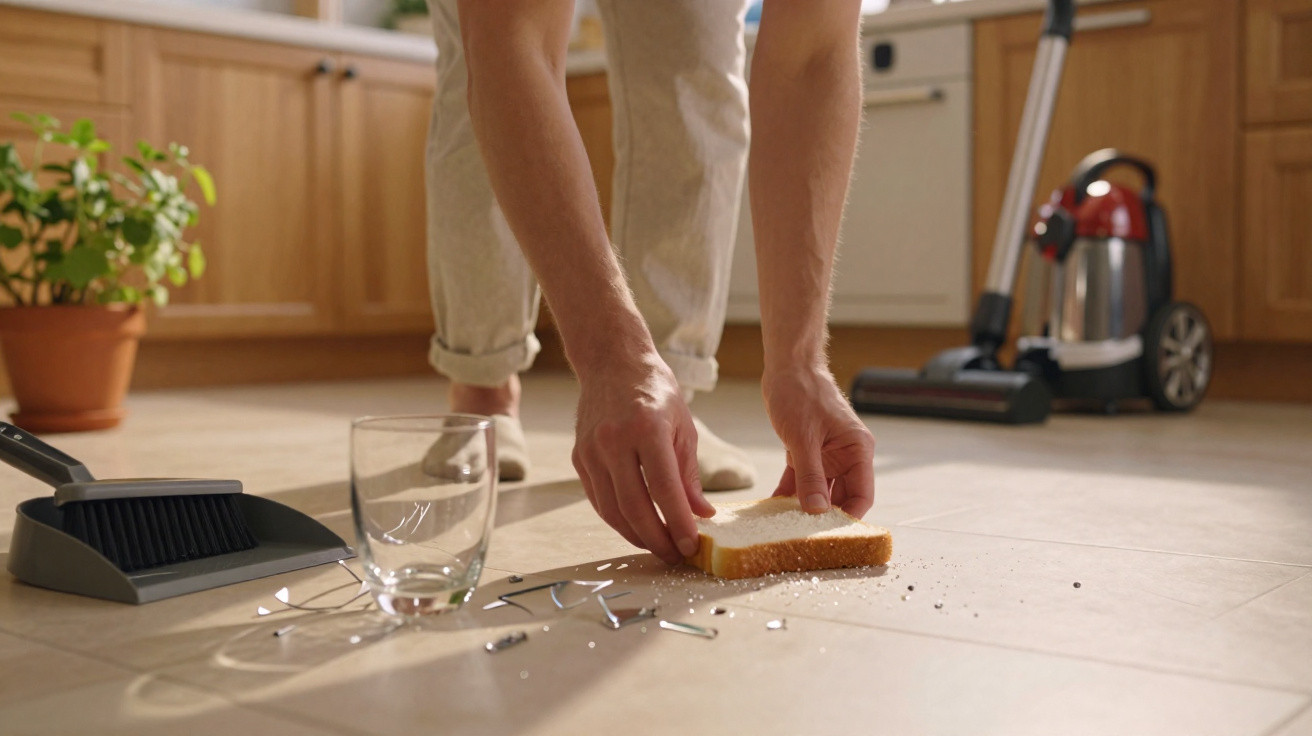
As well as removing odours, this versatile food has remarkable uses that make household tasks easier. It can be used to pick up broken glass safely from the floor, acting as a gripping surface that protects your hands from accidents during cleaning.
Another surprising culinary use involves correcting small mistakes when preparing everyday traditional dishes. You can learn to reuse stale sliced bread to rescue important recipes, ensuring tasty meals and preventing any waste of ingredients in your routine.
Comments
No comments yet. Be the first to comment!
Leave a Comment