
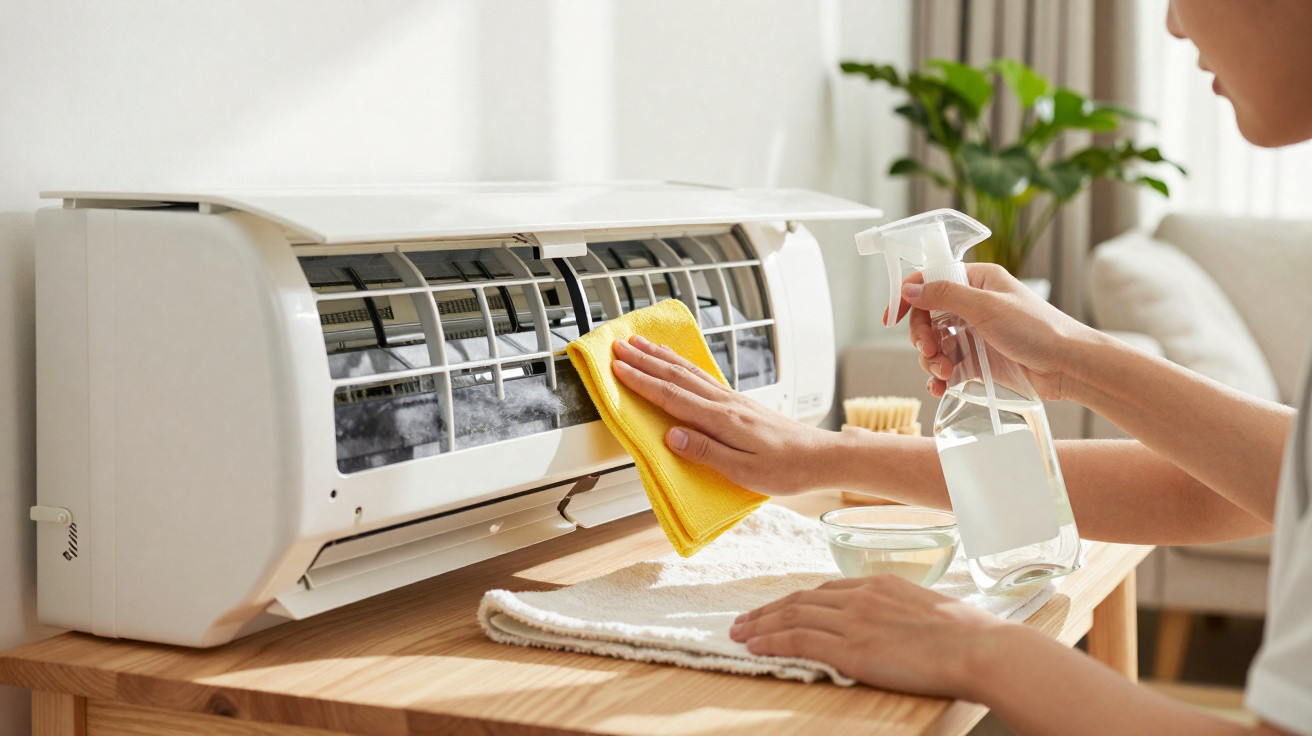
An air-conditioning grille can become dusty surprisingly quickly, even in spaces that appear clean. This layer of grime develops because the unit draws in room air carrying dust particles, hair, pet fur and other microscopic debris. With continued use, these particles build up on the grille and filters, disrupting the natural airflow and placing extra strain on the unit. This can raise energy consumption and affect the quality of the air you breathe.
Why does the air-conditioning grille get dusty so quickly?
A dusty air-conditioning grille is a direct consequence of its constant exposure to indoor air. Even where regular cleaning is carried out, airborne particles are always present. They can come in from outdoors, as well as from fabrics, rugs, furniture and even human skin; the unit draws them in and traps them much like a sieve.
How the room is used also has a major effect on how rapidly dirt accumulates. Spaces with open windows, high footfall, pets or nearby building work contain more airborne dust. In these conditions, more frequent cleaning is needed to keep airflow consistent and prevent the equipment from working too hard.
Watch this video from the Engehall Cursos YouTube channel, which explains how to clean air-conditioning filters at home step by step and improve the unit's performance:
https://www.youtube.com/watch?v=y3n9E94oI1M
How to clean an air-conditioning grille with household products
You can clean the grille at home, provided you only deal with the external, removable part of the unit. Before starting, disconnect the air conditioner from the mains or switch off its circuit breaker, then carefully remove the grille in accordance with the manufacturer's manual.
Once removed, the part can be cleaned with straightforward everyday ingredients. This helps keep the air path clearer and prevents dirt from returning to the room as fine dust.
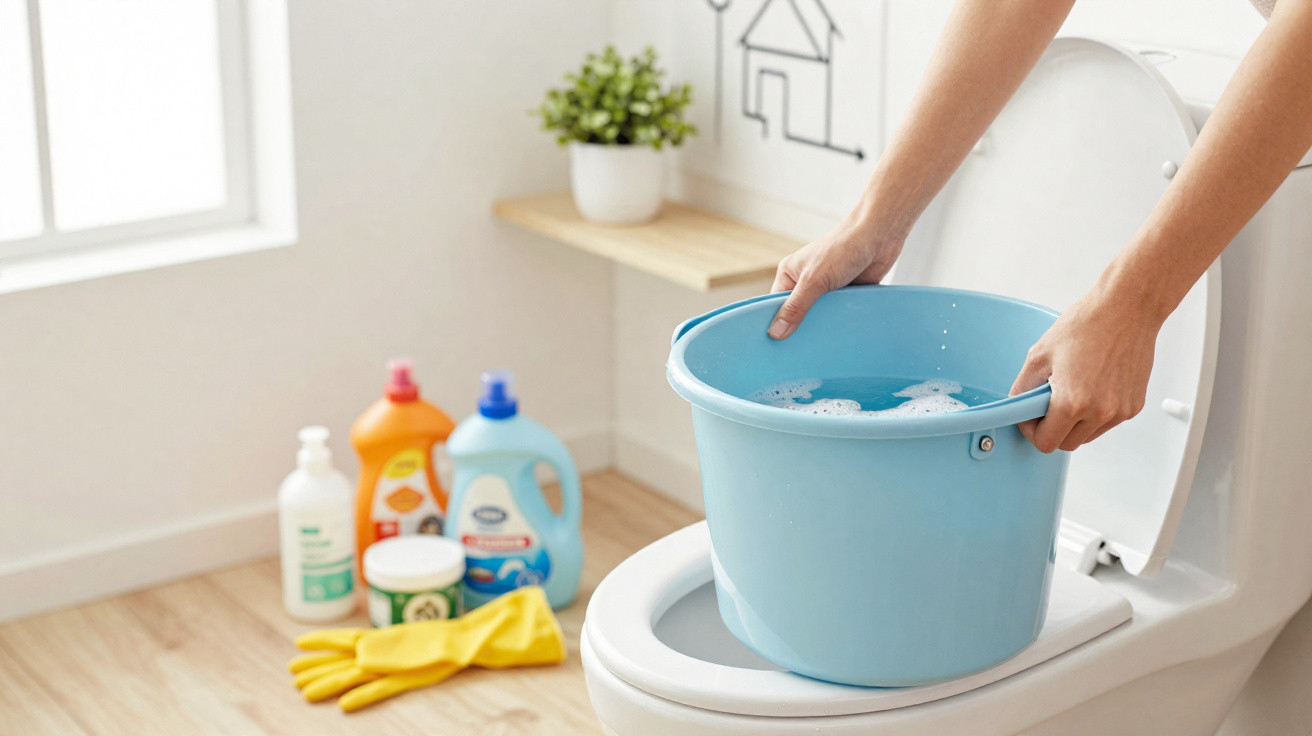
- Make the cleaning solution: In a bucket or basin, combine warm water with a small amount of mild washing-up liquid. If there is a light greasy residue, a few drops of white vinegar may also help.
- Remove excess dry dust: Before getting the grille wet, use a dry cloth, soft brush or vacuum cleaner with a small nozzle to lift the thicker layer of dust.
- Wash the grille: Submerge the part in the solution and clean it with a soft sponge or a soft-bristled brush, paying particular attention to the gaps and corners where dirt tends to collect.
- Rinse and sanitise: Rinse under running water until all washing-up liquid has been removed. If preferred, spray on water mixed with a small amount of vinegar or 70% alcohol, leave it for a few minutes, then carry out a final rinse.
How to dry and refit the air-conditioning grille without damaging the unit
After washing, drying the grille properly prevents internal dampness and fungal growth. Place it in a well-ventilated, shaded spot and allow the water to drain away naturally. A clean, dry cloth can be used to assist, especially around the corners.
Wait until the grille is completely dry before putting it back. Any remaining moisture may encourage mould and cause internal dripping. For this reason, avoid using a hairdryer on a high heat setting or placing it in strong sunlight, as either can warp the plastic and affect how it fits.
How often should you clean the grille and what signs should you look for?
The right cleaning schedule depends on usage and the conditions in the room. As a general rule, check the grille at least once a month. In places with heavy dust, busy roads nearby or pets, shorten this to fortnightly inspections.
A few practical indicators can reveal when the grille needs attention, acting almost as a “thermometer” of the unit's condition. If these signs appear frequently, the internal filters may also need checking, or specialist maintenance may be required.
Comments
No comments yet. Be the first to comment!
Leave a Comment