

Baskets piled with pillowcases trundled by on clattering trolleys, every piece crisp yet untouched by starch, while a fast-handed housekeeper pulled free a sheet gleaming almost blue-white. Nearby sat a bowl of lemons, an unlabelled tub of powder and a boiling kettle: modest equipment, with no chlorine anywhere to be seen. The linen had the softness and brightness of a newly formed cloud. Nothing about the method was complicated, but timing made all the difference. It was an uncelebrated little ritual-and that is exactly why it succeeds.
Why hotel whites look impossible at home
Hotel whites can seem almost magical, as though laundries have a hidden setting called “glow”. The truth is a particular order and pace: begin with hot water, follow with a mild oxygen-based treatment, use a restoring rinse, then take advantage of daylight when conditions allow. The fibres open up, marks release, and residue is washed away. The reason this seems difficult to recreate at home is not the science but the regularity. We tend to wash without thinking; hotels do not. For them, white textiles receive daily care rather than being treated as another household task.
I once spent an early morning beside an industrial washing machine large enough to take three household loads, asking more questions than anyone needed. The head housekeeper laughed, then showed me a cotton napkin left dingy-grey after the events season. She immersed it in a hot, oxygen-rich solution, followed it with an acidic rinse, and hangs it outdoors whenever the sun comes out. There was no bleach, no alarming vapours and no scorched fabric. The napkin emerged slightly whiter than I remembered it, as if it had been given a reset.
The reasoning is remarkably straightforward. Much of the grey cast is not actually “dirt”, but accumulated deposits: hard-water minerals, detergent that failed to dissolve completely and fabric conditioner coating fibres like a dull varnish. Heat opens cotton fibres; oxygen disrupts the colour bonds clinging to them; an acidic rinse removes the mineral layer; and sunlight improves the visual brightness. This is not one dramatic attack, but a small orchestra of actions. Each stage takes only minutes. The real advantage is not power, but order.
The grand hotel trick for your kitchen sink
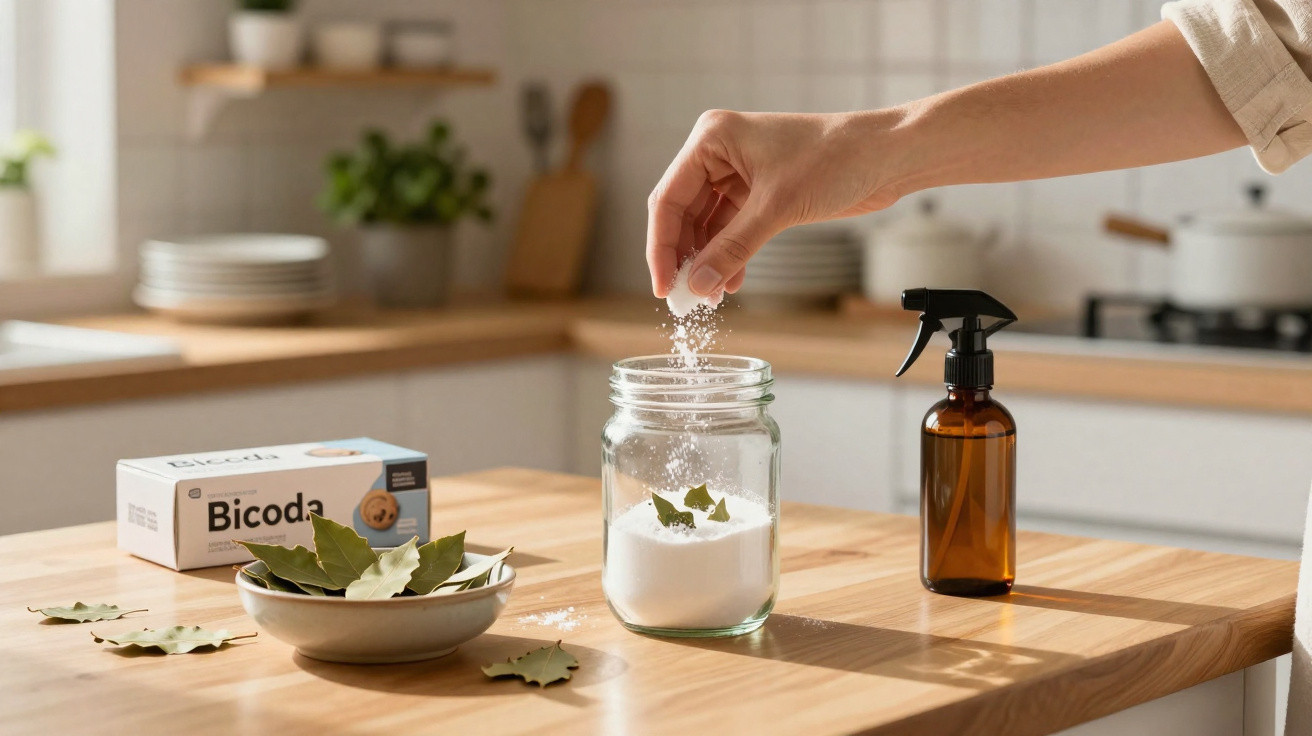
This is the professional-style routine adapted for home use. Fill a basin with very hot water-hot from the kettle for robust cotton and linen, or merely warm for delicate fabrics. Add 2 tablespoons of sodium percarbonate, the powder that releases oxygen and soda in water, plus 1 tablespoon of baking soda to boost the effect. Mix until the water has a silky appearance. Put in greyed towels or sheets, push out the trapped air, and leave them to soak for 2 to 6 hours. Rinse them, then wash as normal in the machine at 40–60°C using a straightforward enzyme detergent. End with a cool rinse. If the weather permits, dry them on the line. Treat this as an oxygen soak, rather than a miracle potion.
For persistent marks, prepare collars or underarm shadows with lemon and salt: dip half a lemon in fine salt, rub it on gently, then place the item straight into the oxygen bath. If hard water has caused a chalky grey appearance-something faced by roughly 60% of UK homes-put a tablespoon of washing soda into the main wash once a month to counter the minerals. Next, replace fabric conditioner with a small splash of white vinegar in the final-rinse drawer; this releases residue and improves the feel of the fabric without added fragrance. Dry in the open air whenever possible. Sunlight is the original whitener, while a breeze achieves what a plastic bottle cannot.
Potential pitfalls? Combining acid and oxygen in one basin undermines the process, so reserve the vinegar strictly for the final rinse. Filling the drum too full prevents water moving through the fibres and leaves that grey coating trapped in place. Fabric conditioner creates waxy layers that feel “soft” but reduce brightness, so use it sparingly on whites. Check colourful trims and garments containing stretch fibres first. Cotton and linen respond well to heat; wool and silk do not. Realistically, no one carries this out every day. Instead, make one laundry day each month your white-linen “reset”, then enjoy the brightness between treatments.
“We don’t chase white with force. We clear the things that make it dull. Once the coating’s gone, the cloth shows its own light,” said Mara, a housekeeping manager who has folded more pillowcases than some of us have had breakfasts.
- Mini checklist: hot oxygen soak, enzyme wash, vinegar rinse, then sun or steam to finish.
- Suitable fabrics: cotton and linen. Take care with prints, elastic and anything labelled “dry clean only”.
- Avoid: chlorine bleach on modern cottons, as it may yellow them and weakens their fibres.
- Monthly habit: one reset day is better than five frantic attempts to rescue them.
A takeaway to share with a neighbour
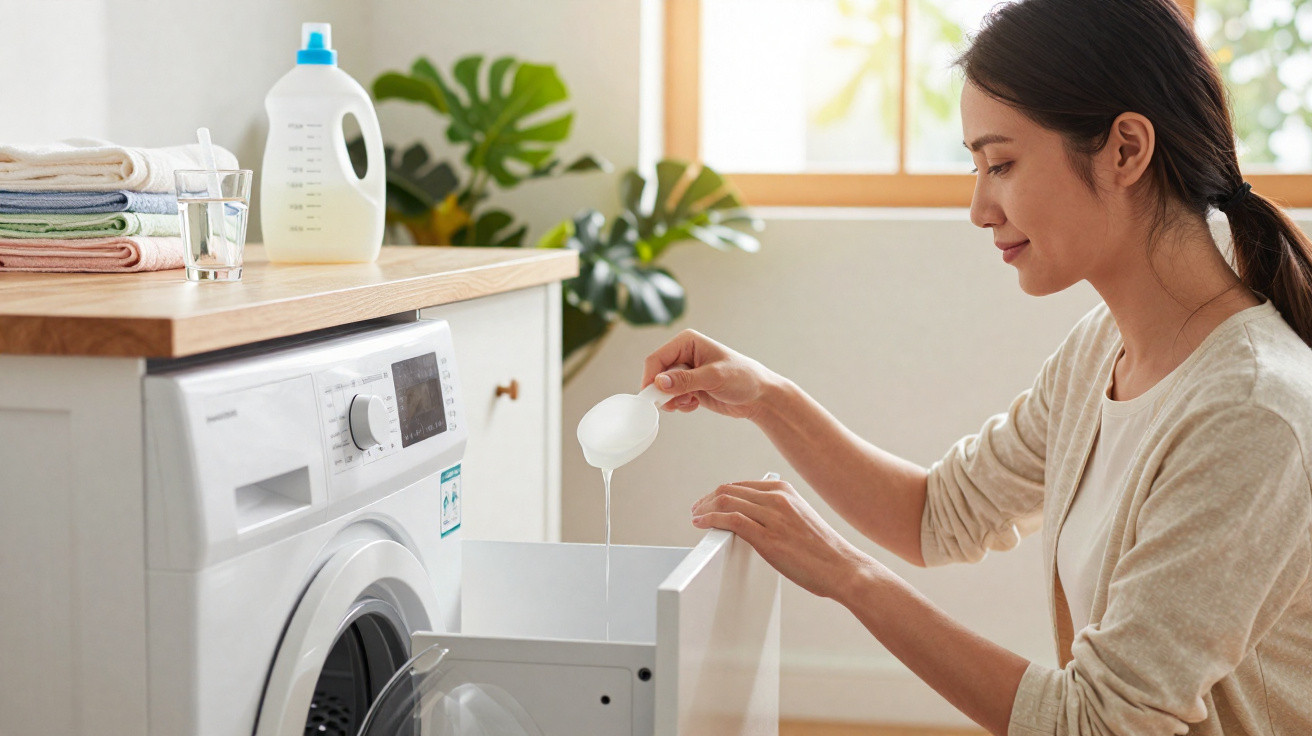
We have all seen a formerly white towel turn gloomy and felt slightly beaten by it. The answer is not a more aggressive product, but removing the material that should not be coating it. Make the oxygen soak hot, keep the main wash uncomplicated, and finish with a short acidic step: rinse with white vinegar in the fabric-conditioner drawer, using 100–150 ml and no more. Put items on the line if there is even a little sunshine, as UV light lifts the final trace of grey. When the weather refuses to cooperate, dry them flat and steam-iron them while they remain barely damp; smoother fibres reflect light more effectively, making whites appear brighter. For deeply embedded dullness, repeat the soak the following week instead of attacking it all at once. Whitening is a gradual process, not a fight.
There is something reassuringly gentle about restoring whites in this way. It begins with hot water and a breath of oxygen, then ends with fresh air, light and the quiet hiss of steam. You need not turn the house into a laboratory or claim to love doing laundry. Pass on the routine, compare the results and claim the best spot on the washing line for your pillowcases. The ingredients are uncomplicated, the equipment is humble, and the result is discreetly pleasing. Your linens will not look “new”. They will look cleanly bright and true to themselves, as though they remember their purpose.
| Key point | Detail | Benefit for the reader |
|---|---|---|
| Hot oxygen soak | Sodium percarbonate + hot water + time | Deep-cleans greying without chlorine |
| Acid rinse | Small splash of white vinegar in the final drawer | Removes mineral film and residue build-up |
| Light and finish | Sun-dry or steam-iron while slightly damp | Boosts optical brightness and that hotel “crisp” |
FAQ:
- Can I use this on coloured items with white stripes? Keep the oxygen soak brief and warm, and first test a concealed area. If the dye runs, stop and wash at a cool temperature. Use vinegar only in the rinse.
- Is hydrogen peroxide the same as sodium percarbonate? They are related. In water, percarbonate becomes hydrogen peroxide. Choose the powder for soaking; 3% liquid works well for dabbing underarm marks.
- My whites are still grey after one soak-what now? Repeat the soak on the next laundry day and stop using fabric conditioner for a month. Hard-water deposits often require two or three mild treatments, rather than one intense effort.
- Will this damage elastic or embroidered edges? Use warm rather than kettle-hot water, and limit the soak to one hour. Do not soak wool, silk or “dry clean only” items. If uncertain, deal with trims manually.
- Can I add essential oils for scent? One or two drops in the rinse are acceptable, but do not use them in the soak; oils may adhere to fibres and cause fresh dullness. Fresh air is better than fragrance every time.
Comments
No comments yet. Be the first to comment!
Leave a Comment