
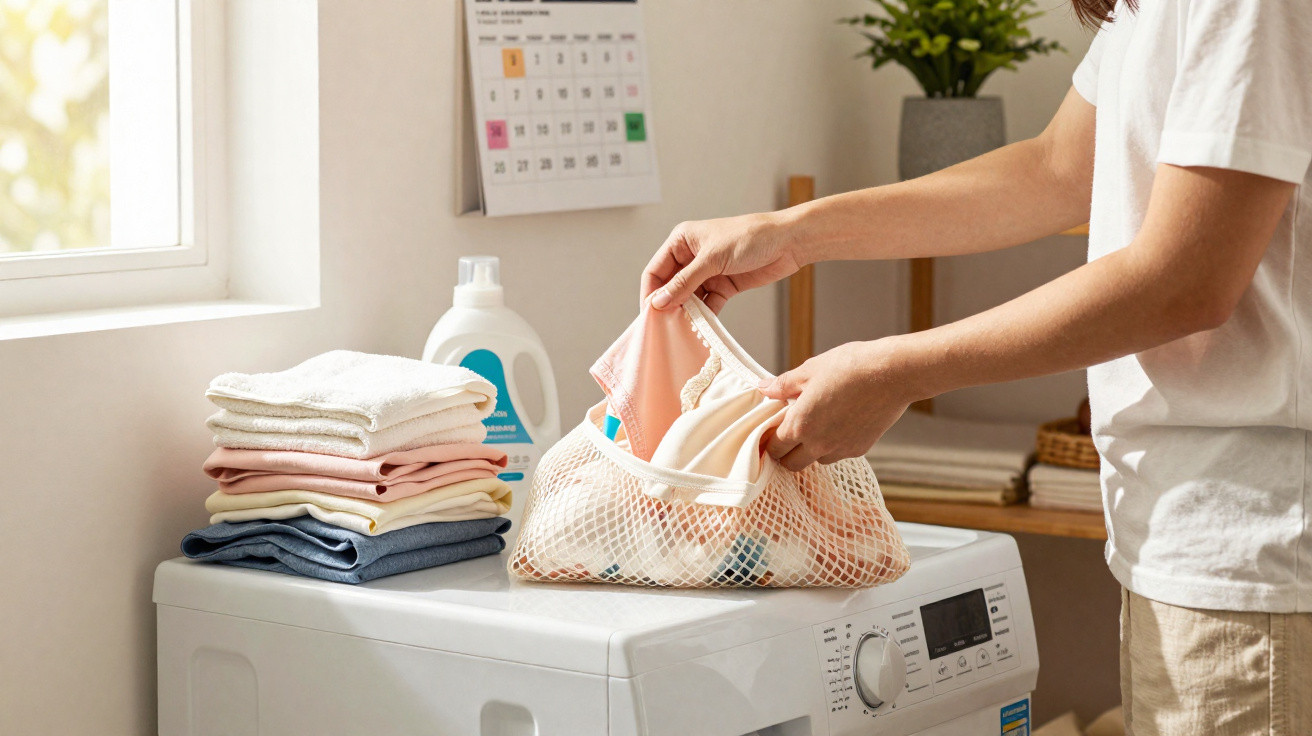
Doing the laundry at home is part of everyday life for many families, yet few people consider the needs of each fabric type. Among jeans, towels, T-shirts and tea towels, underwear is often overlooked - although it requires entirely different care. Putting everything through the same wash cycle may seem convenient, but it can affect hygiene, skin health and how long garments last.
Why is washing underwear with other items risky?
Underwear sits directly against warm, damp areas of the body, where it collects perspiration, bodily secretions and skin cells. These can support bacteria and fungi, which may transfer to towels, tea towels and outer clothing when all items are washed together.
There is also a risk to the fabric itself: delicate garments can be damaged by friction from zips, buttons and heavy denim, leading to bobbling, holes and snagged lace. Using too much detergent or scented fabric conditioner can also leave residues against sensitive areas, contributing to itching, irritation and lingering odours.
How should underwear be washed properly?
Whenever possible, set aside a wash cycle exclusively for underwear, or wash it by hand using cool or lukewarm water and a mild detergent. This makes it easier to manage friction, product quantity and water temperature, protecting elastic, lace and padded cups without irritating the skin.
When using a washing machine, choose laundry bags and a delicate programme with a gentle spin. This is particularly important for women's padded underwear, shapewear and sports underwear, which tend to retain more perspiration and odour. Here are practical care tips for each garment type:
- Padded or underwired bras: hand-wash without wringing; press them in a towel to remove excess water, then dry flat.
- Cotton knickers and briefs: these can be machine-washed in cool or lukewarm water, ideally in a laundry bag and away from heavy items.
- Lace or delicate-fabric garments: select a delicate cycle, avoid very hot water and do not tumble-dry, as this can dry out or distort the fibres.
- Sports underwear: avoid fabric conditioner, wash with mild detergent and dry in the shade in a well-ventilated place to prevent trapped odours.
How does washing underwear correctly improve daily hygiene?
Creating a dedicated routine for these garments is a straightforward way to maintain good hygiene. Keeping them separate from cleaning cloths, mats and face towels reduces cross-contamination, as each of these items comes into contact with very different environments and body areas.
It is also important not to leave lingerie and briefs damp in the laundry basket for too long, as this encourages strong odours and stubborn stains. Keeping a milder detergent specifically for these garments can help people with sensitive skin by limiting strong fragrances and residues trapped in fibres that sit directly against the body.
How can you organise an underwear washing routine at home?
A few simple changes can make this task easier and prevent the feeling that there is never a clean garment available. Having a separate laundry basket for underwear stops it coming into contact with heavily soiled items, makes it easier to gather enough for a dedicated wash and helps you notice when it needs washing.
Choosing one or two fixed days each week for this laundry, using cool or lukewarm water, and always drying garments in the shade in well-ventilated areas are habits that extend their lifespan. Alongside each household member using their own underwear and towels, this care provides greater comfort, hygiene and long-term savings.


Comments
No comments yet. Be the first to comment!
Leave a Comment