
Toilet paper is a relatively recent development in the history of intimate hygiene. Before industrial manufacturing and modern sanitation networks, ancient civilisations had to find practical alternatives using water, plant fibres, sponges and reusable cloths. Their practices differed according to the climate, access to rivers and the social customs of each people.
How did Romans maintain hygiene in public latrines?
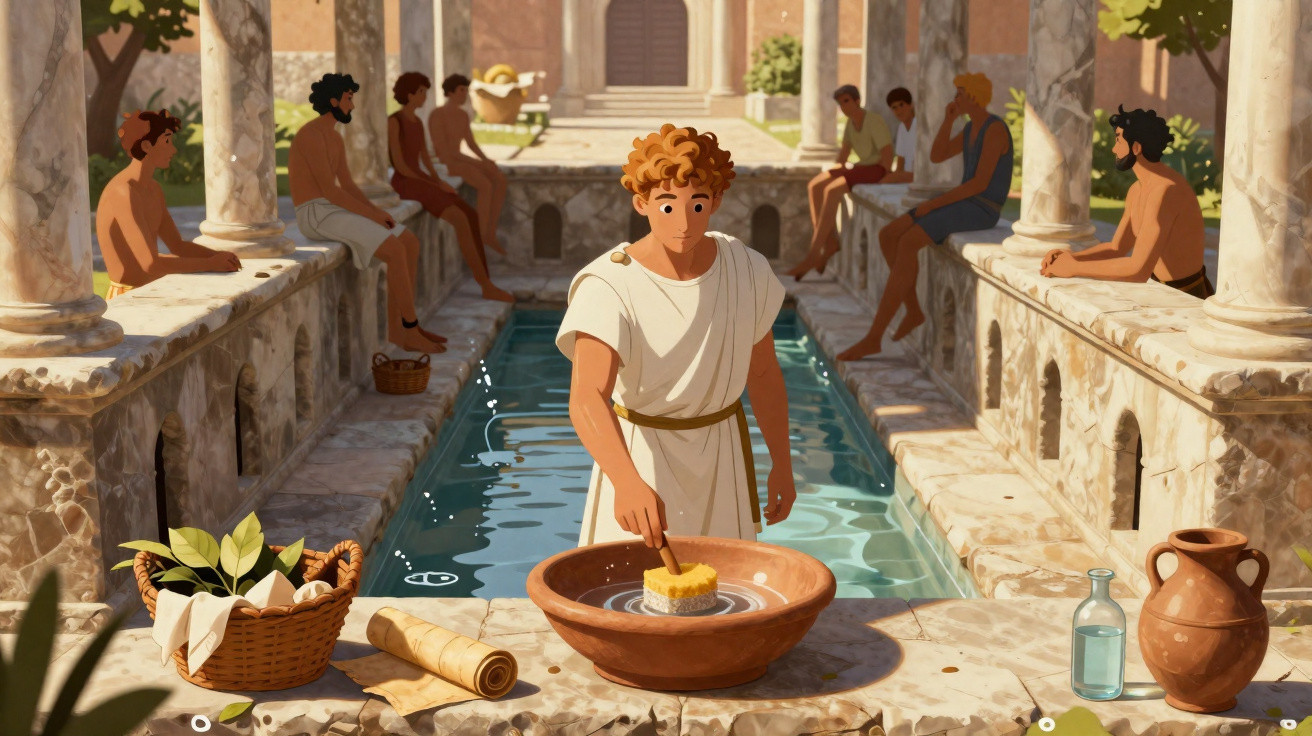
Romans used an implement known as a tersorium, or xylospongium. It consisted of a sea sponge attached to the end of a wooden stick and was shared in public latrines. Once used, the sponge was rinsed in running water or vinegar before being returned to the communal area.
Roman latrines also served as spaces for social interaction. Stone seats were arranged in rows above channels of flowing water, helping to keep the surroundings continuously clean. Although this may seem unusual today, the system suited the sanitary and economic realities of Ancient Rome.
Which natural materials were used before toilet paper?
Many ancient civilisations made use of natural materials available to them to maintain personal hygiene. Agricultural regions relied on plant fibres and crop remnants, while communities near rivers mainly washed with running water.
- Dried corn cobs
- Soft, fragrant leaves
- Mosses and plant fibres
- Shells used with water
- Straw and dried grass
The choice of material depended largely on its texture and local availability. Peoples living in humid areas favoured broad leaves, whereas communities in dry regions turned to fine sand, straw or repurposed fabrics.
Why was water central to ancient hygiene?
Water was viewed as vital for cleanliness in numerous cultures across Asia and the Middle East. In many places, people washed the intimate area directly with running water after using latrines. This custom has endured for centuries and continues to shape modern habits in different countries.
Access to rivers, aqueducts and canals made regular bathing routines easier. Ancient civilisations connected bodily cleanliness with purification and health, so intimate hygiene formed part of daily rituals associated with sanitation and public baths.
Which peoples used paper before the modern product?
China was among the earliest regions to record the use of paper for intimate hygiene. During imperial dynasties, members of the court used softer, scented sheets made specifically for this purpose.
Elsewhere in the world, reusable fabrics and old pages were also among the most common options. Some historical records refer to:
- Scented paper sheets in the Chinese court
- Pieces of wool or hemp cloth
- Repurposed ancient manuscripts
- Small washable cloths
Commercial toilet paper only began to gain prominence in the nineteenth century. Even after industrial rolls were introduced, many people regarded the product as expensive and unnecessary, continuing to use traditional hygiene methods for decades.
What do these habits reveal about ancient civilisations?
The hygiene practices of ancient civilisations demonstrate how each society adapted its resources to the environment around it. Running water, plant fibres, sponges and reusable cloths were solutions woven into urban life, public bathing and the sanitary conditions of their respective periods.
The history of toilet paper also helps explain the evolution of sanitation and intimate hygiene over the centuries. What now seems indispensable emerged only recently compared with the thousands of years during which ancient peoples developed their own methods for bodily cleansing and everyday care.
Comments
No comments yet. Be the first to comment!
Leave a Comment