
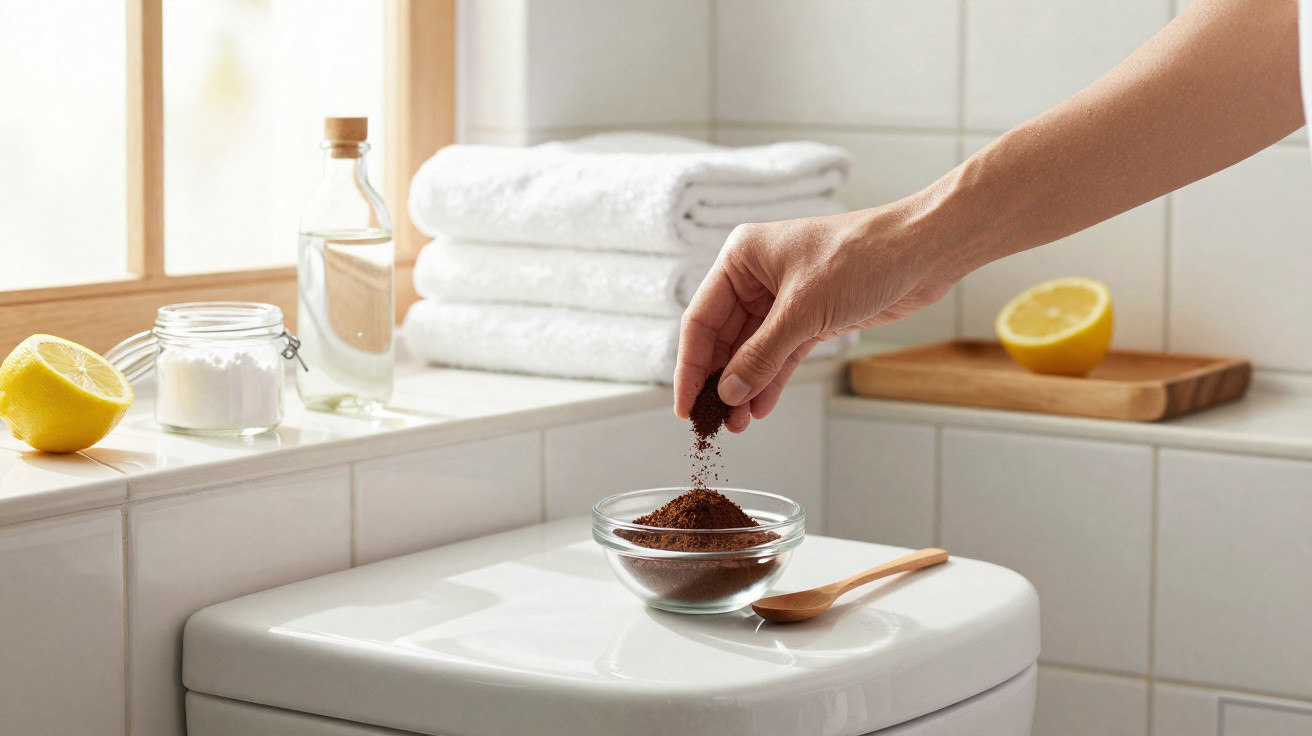
Many people clean their toilet regularly yet remain dissatisfied with the result: it may look tidy, but it does not smell as fresh as they would like, particularly just before visitors arrive. A simple kitchen-based trick can turn the bathroom into something resembling a “hotel toilet” within minutes - without harsh chemicals.
Why a toilet often does not smell fresh even after cleaning
The toilet is one of the most sensitive areas of the home. Even the faintest lingering odour can create an impression of poor hygiene, however shiny the ceramic may be.
- Deposits beneath the toilet bowl rim
- Limescale and urine scale in the trap
- Bacteria in difficult-to-reach crevices
- Humid air in small bathrooms with inadequate ventilation
In response, many people turn to increasingly powerful cleaners and fragranced toilet blocks. Although these products mask odours quickly, they can irritate the mucous membranes, harm the environment and are often unnecessarily expensive. Household staples such as coffee, bicarbonate of soda, vinegar and citric acid offer a considerably gentler alternative.
The coffee trick: making the toilet smell like a hotel
“A few teaspoons of ground coffee can leave the toilet odour-free in around 15 minutes - ideal when visitors are arriving unexpectedly.”
Step-by-step instructions using ground coffee
This method relies on coffee’s rich, warm aroma, which absorbs and covers unpleasant smells without becoming overly sweet. Here is how to use it:
- Prepare the ground coffee: Ordinary ground filter coffee is best. Slightly stale leftover coffee can also be used up effectively.
- Flush the toilet once to remove any larger residue.
- Add 2–3 teaspoons of ground coffee directly to the toilet bowl, placing it as close to the waterline as possible.
- Leave it to work for at least 15 minutes. During this time, the aroma will spread throughout the bathroom.
- Flush once more. If needed, use the brush lightly to ensure that no coffee residue remains around the bowl.
After this brief treatment, the bathroom should feel noticeably fresher, with an aroma more reminiscent of a hotel room than an ordinary household toilet. To intensify the effect, place a small bowl of coffee beans or ground coffee in the bathroom as well; this can neutralise the room’s air for several hours.
When the coffee trick is especially useful
Using coffee in the toilet is particularly suitable:
- immediately before a family gathering or an evening with friends;
- after a particularly strong toilet odour when guests are due shortly afterwards;
- in small, windowless guest toilets;
- if you dislike artificial perfume fragrances.
Important: ground coffee is not a replacement for thorough cleaning. It provides a quick burst of freshness and works best in a toilet that is already clean.
Bicarbonate of soda and vinegar: the classic two-part solution for odours
If there is no coffee at home, one of the most trusted household combinations can help: bicarbonate of soda - or traditional soda crystals - and vinegar. Together, they loosen deposits and neutralise smells.
How to use the mixture in the toilet
- Sprinkle half a cup of bicarbonate of soda (around 120 ml), or baking soda, directly into the toilet bowl, including around the rim.
- Slowly pour in one glass of household vinegar. It will begin fizzing immediately, which is exactly what should happen.
- Leave it in place overnight if possible. It can work while you avoid any scrubbing.
- The following morning, brush the bowl briefly and flush.
“The fizzing action of bicarbonate of soda and vinegar releases dirt, limescale and odour particles from the pores and crevices of the ceramic.”
The benefit is that this combination does more than clean: it also reaches into the trap area, where persistent odours often collect. If time is limited, the mixture can be left for just 30 minutes, although the result will be slightly less effective.
Citric acid for limescale and a fresh scent
Alongside coffee and bicarbonate of soda with vinegar, citric acid also has an important role in bathroom cleaning. It removes limescale, makes deposits look lighter and leaves behind a subtly fresh fragrance.
Cleaning with citric acid: how it works
- Scatter around three tablespoons of citric acid powder (about 45 ml) into the toilet bowl.
- Add a little warm water so that the powder disperses more easily.
- Allow it to work for 15–20 minutes. For heavy limescale, leave it for longer.
- Scrub with the toilet brush, then flush thoroughly.
Citric acid is particularly effective when the toilet rim appears grey and dull, or when stubborn marks have formed around the water level. Another welcome advantage is that its smell does not come from artificial fragrances, but from a food additive that many people already keep in the kitchen.
What to avoid when using household remedies in the toilet
Useful as these home remedies are, a few precautions will help prevent damage to the ceramic and pipework:
- Do not put ground coffee down the toilet every day, as deposits could build up in the pipes over time.
- Never combine bicarbonate of soda and vinegar with chlorine-based cleaners - mixing different products can create irritating gases.
- Do not allow citric acid to drip onto natural-stone floors, as it may damage sensitive surfaces.
- Wear rubber gloves if you have sensitive skin.
If you are unsure, test each product first in an inconspicuous area, such as well inside the toilet bowl. Modern toilets generally tolerate these household remedies well, but certain specialist coatings can be more sensitive to acids.
Keeping the bathroom fresh over the long term
To avoid relying on the quick coffee trick as a permanent measure, it is worth establishing a simple everyday routine. Three steps make the greatest difference:
- Ventilate regularly: even a slightly open window or a ventilation system reduces humidity and, in turn, odours.
- Clean the toilet thoroughly each week using a brush and a mild cleaner.
- Check nearby sources of odours: the bin, toilet brush, old rugs and damp towels can all be responsible.
Another practical option is to keep a small container of bicarbonate of soda or ground coffee on a bathroom shelf, where it can absorb smells from the air. Replace the contents once they clump together or lose a noticeable amount of fragrance.
When a conventional cleaner is still needed
Household remedies have their limits when there are heavily encrusted deposits, dark urine-scale rings or visible discolouration in the trap. In these cases, a specialist toilet cleaner may be the only effective option - ideally applied precisely rather than in large quantities.
If musty odours continue to rise from the drain despite consistent cleaning, there may be a deeper issue, such as a partially blocked pipe or a faulty odour trap. It is then worth asking a professional to inspect it before resorting to ever-stronger fragrances.
Practical conclusion: small remedies, significant results
Anyone expecting visitors and wishing to avoid chemical scent bombs can find effective alternatives in coffee, bicarbonate of soda, vinegar and citric acid. The quickest burst of freshness is probably achieved by adding a few spoonfuls of ground coffee directly to the toilet; after just over a quarter of an hour, the bathroom should feel considerably more pleasant.
Combining these household remedies with a straightforward cleaning routine offers two benefits at once: fewer chemicals in the home, lower costs and a bathroom you will be happy to show guests.

Comments
No comments yet. Be the first to comment!
Leave a Comment