
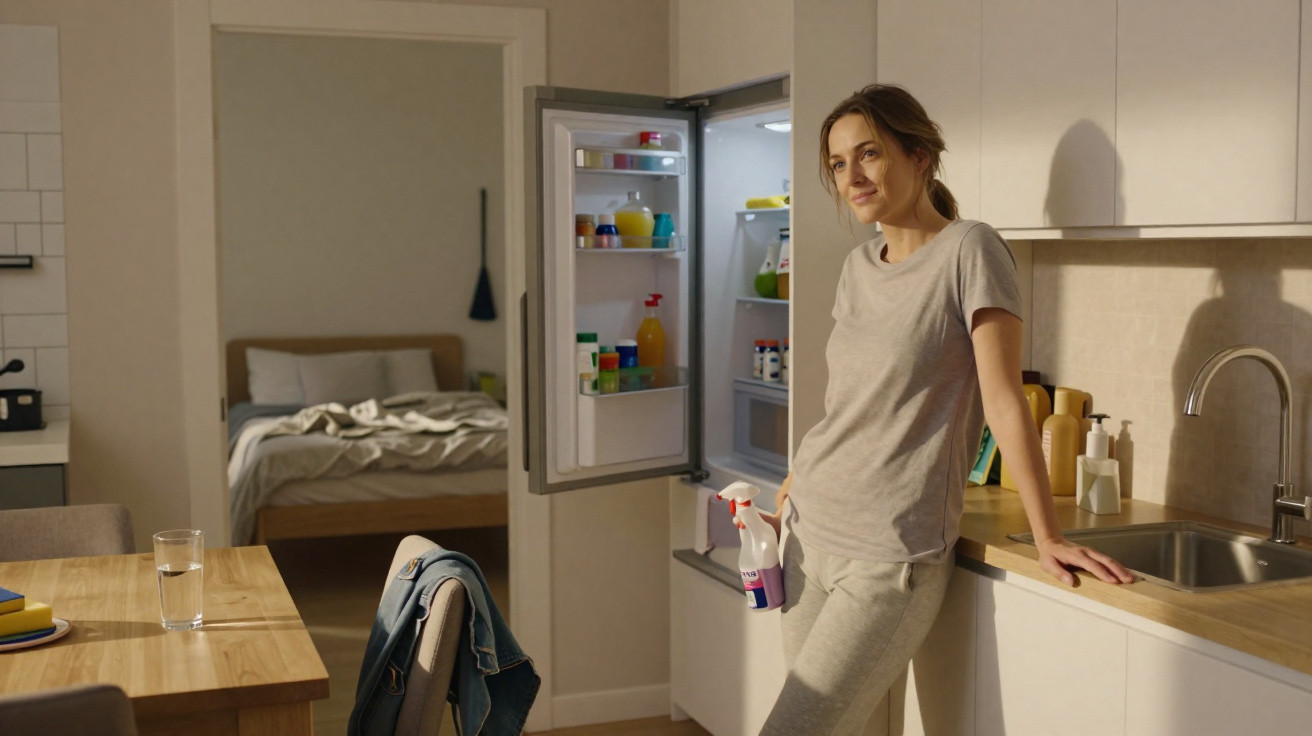
You can usually spot when somebody has had “a bit of a moment” with the cleaning.
There is a lemony haze in the hallway. The washing machine is humming at full volume. They have that faraway expression while scrubbing the already spotless hob for the third time. Many of us grew up believing that being a decent, responsible adult meant living in a home that carried a faint scent of bleach and guilt.
We happily trade advice on miracle sprays and clever folding tricks, while overlooking the mounting anxiety beneath it. It is the feeling that life might become less chaotic if we clean a little more or scrub a little harder. Yet the ironic reality is that many of us clean the wrong items, do it too frequently, and can sometimes make matters worse. Certain things should be left alone, while others perform better with a little dirt. Once that clicks, cleaning feels less like a war and more like a peace agreement.
1. Your Bedsheets (yes, really)
Everyone has changed the bed at 10pm, fought a duvet cover as though it were a wild creature, and thought, “Didn’t I literally just do this?” Washing sheets weekly has become a kind of moral benchmark, as though doing less makes you some sort of swamp creature. For most healthy adults who shower regularly, washing them every two weeks is perfectly adequate; for others, every ten days is more achievable than following a religious calendar.
Hygiene and putting on a performance are not the same thing. Your sheets do not need to smell like a candle shop to count as clean. Frequent high-temperature washes can weaken fibres, fade colours, and create that thin, bobbly material that feels like bedding from a hotel that has seen things. If you sweat heavily or have allergies, wash your pillowcases more often rather than stripping the entire bed every few days.
What to do instead
Put a reminder in your diary to wash sheets every 10–14 days, then keep the bed fresh through low-effort habits. Air the duvet each morning by pulling back the covers for half an hour, allowing warmth and moisture to escape. That small daily break helps freshness more than frantic washing every Sunday evening.
2. Your Hair (and the poor scalp under it)
Our fixation on squeaky-clean hair has much to answer for. Washing every day removes oils from the scalp, sends it into overproduction, and traps you in a strange cycle where hair appears greasier the more you wash it. You then reach for extra products to disguise the damage, creating build-up and… you can see the problem.
Most people benefit from washing their hair two or three times a week rather than seven. Cutting back can feel uncomfortable for the first few days, as if you are walking about beneath a neon sign reading “unwashed human”. That feeling passes. Your scalp adapts, your hair settles, and you reclaim the hours previously spent battling a hairdryer.
What to do instead
Slowly add one extra day between washes each week. Use dry shampoo lightly, treating it as a temporary transition aid rather than a permanent answer. Your hair does not need to smell like fruit salad at all times; it is supposed to be hair. A little natural oil is biology, not an emergency.
3. The Bathroom Tiles (with industrial strength everything)
Bathroom grout seems to trigger a deep, slightly unhinged instinct. You notice one pale mark and suddenly find yourself on the floor with a toothbrush and bleach, with stinging eyes and a damp forehead. However, fiercely scrubbing tiles every few days can harm the sealant, take the shine off the finish, and still fail to produce the immaculate magazine image you want.
Shower steam loosens dirt, but without ventilation it also encourages mould. The answer is not continual chemical warfare but dry, well-aired surfaces. A fast wipe with a towel and an open window work better than twice-weekly bleach sessions that leave the room smelling like a public swimming pool changing area.
What to do instead
Choose prevention instead of punishment. After the final shower of the day, use a squeegee on tiles and glass screens, open the window or switch on the extractor fan, then carry out a thorough clean every week or two. Whenever you want to become a forensic grout cleaner, remember that you live here; you are not preparing it for a new-build brochure.
4. Wooden Furniture
Dust on a wooden table can bring a particular kind of guilt, as though you have disappointed several generations of grandparents. That is how people end up polishing too much, spraying every surface each week with powerful products promising “deep shine” while silently laying down sticky residue. Dust is unavoidable, not a personal failing.
Proper wood does not require that much attention. Excess product draws in extra dust and may damage waxed or oiled finishes. A soft cloth that is only slightly damp is more useful than a cupboard full of potions sprayed every other day, followed by wondering why every surface still looks streaky in afternoon light.
What to do instead
Use a microfibre cloth to dust roughly once a week, and usually leave the polish alone. Apply a quality wood conditioner only a few times a year, almost as if you were feeding the furniture. Allow the wood to age, pick up a few marks and reveal part of your story. Immaculately glossy surfaces belong in showrooms, not homes.
5. Your Jeans
Honestly, despite what care labels say, nobody truly washes jeans after every wear. Even so, some people feel guilty about it, as if they have secretly failed Laundry School. Denim is made to be lived in and softened by everyday life, not put through hot weekly cycles until it fades and collapses into a sad, limp shadow of itself.
Washing jeans too regularly ruins their fit, colour and that reassuring “these are my jeans” feeling. Most pairs can comfortably be worn four to six times, and sometimes longer, unless something dramatic happens to them. The more relaxed you are about it, the better they fit and the longer they last.
What to do instead
Treat stains individually, hang jeans between wears, and air them near an open window. When a wash is genuinely needed, turn them inside out and choose a cool cycle with gentle detergent. That is not laziness; it is giving your clothes a longer life.
6. Your Face
The skincare industry is very fond of elaborate routines: double cleansing, exfoliating, toning, scrubbing, masking and repeating. As a result, plenty of people wash their faces too much, damage their skin barrier, and then question why their skin feels tight, itchy, oddly shiny and flaky all at once.
For most skin types, one gentle cleanse at night plus a simple splash of water in the morning is sufficient. You do not need foaming products three times daily unless you train like a professional athlete or work in a coal mine. Your skin benefits from some of its own oil; it is not plotting against you.
What to do instead
Replace harsh scrubs and repeated washing with one mild night-time cleanser and a moisturiser that does not smell like dessert. Limit exfoliating products to once or twice weekly at most. Your face is not a kitchen floor, so it does not need to be “stripped” or “deep cleaned”.
7. The Oven
Oven cleaning inspires a very particular kind of dread: the smell, the uncomfortable crouching, and the sticky, baked-on regret from the lasagne you promised would not bubble over. Some people react by scrubbing and spraying after every roast, which is admirable but also rather unnecessary.
Ovens are supposed to become messy. A light coating of cooked-on splatters will not destroy your meal or your life. Frequent use of strong cleaning products, particularly on self-cleaning coatings, can cause more damage than a little harmless discolouration on the inside walls.
What to do instead
Once the oven is cool, wipe up obvious spills, then plan a thorough clean every couple of months or when smoke appears more often than you would like to acknowledge. Cover trays with baking paper and choose a roasting tin with taller sides for foods likely to splash. You are making dinner, not filming an advert for pristine, unused appliances.
8. Towels
Damp towels left on the floor are another matter altogether. But washing bath towels after every use quickly creates an enormous laundry pile and a linen cupboard full of thin, scratchy fabric. A towel that dries properly between uses does not turn into a biohazard overnight.
Most people can use the same towel three or four times when it is hung up and aired. Repeated hot washes batter the fibres and often do not make towels any “cleaner” than washing at sensible intervals. Dampness is the true problem, not repeat contact with your newly washed body.
What to do instead
Hang towels fully spread across a rail or door rather than leaving them bunched on a hook. Wash them weekly on a warm cycle, with an occasional hotter wash if somebody has been ill. A musty smell is your signal to wash a towel, not an inflexible rule from laundry law.
9. The Fridge
A spotless, Instagram-ready fridge is an oddly compelling fantasy: every jar in a line, no smear anywhere, and vegetables arranged as if they are posing. Real life is more likely to feature a partly spilled yoghurt pot and a mysterious sticky circle left by a ketchup bottle. Some people deal with this by emptying everything weekly for a full disinfection, which may sound virtuous but is usually exhausting.
Repeated deep cleans make the fridge into a dreaded project rather than a small, manageable job. What matters is a quick, routine check for spills and out-of-date food, not a dramatic emptying session every Sunday evening when you would rather be on the sofa.
What to do instead
Before doing the food shop, spend 5 minutes on a “fridge edit”: throw away anything off, use a mild cleaner on visible spills, and bring older food to the front. Keep the full shelf-removing clean for every couple of months, or for a genuine incident. A fridge that looks lived in is fine; it is not a museum display.
10. Cutting Boards
Chopping boards, wooden ones especially, create a particular kind of paranoia. Some people scour them with very hot water and detergent after cutting one tomato, then continue worrying that they are “contaminated”. In reality, wooden boards have naturally antibacterial properties and do not require harsh cleaning after every minor use.
Aggressive washing with strong soap, followed by soaking, damages wood and causes cracking, which is much worse for hygiene. You need a clean board, not a warped one. How intensely you clean should reflect what was on it, rather than a general fear of germs.
What to do instead
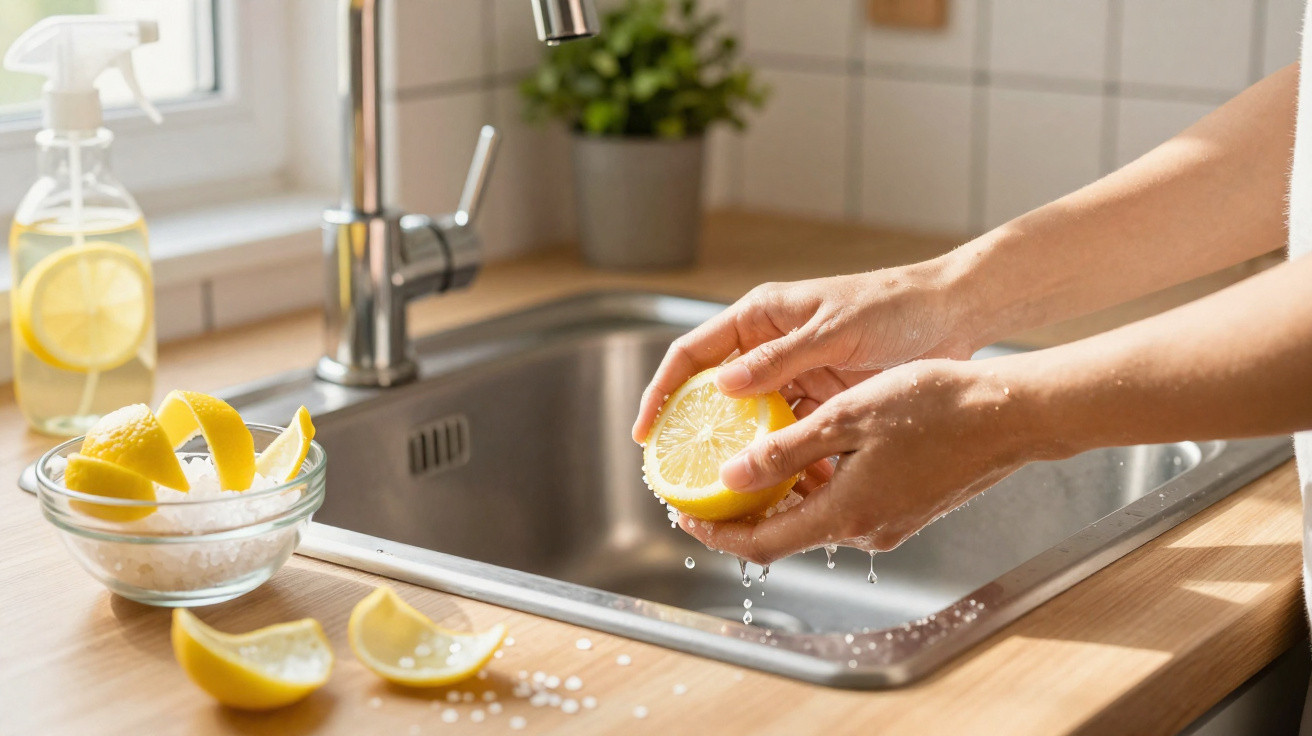
After preparing bread, fruit or vegetables, rinse the board with warm water and wipe it dry. Following raw meat or fish, wash it in hot soapy water before standing it upright to dry and air. From time to time, cover it with salt, scrub it using half a lemon, then oil it to prevent drying. It is simple, calm and effective.
11. The Car Interior
There is an odd pressure to make your car resemble a showroom rather than a vehicle belonging to someone who occasionally drinks coffee at red lights. Some people vacuum and wipe the interior every few days, pursuing every crumb and each footprint on the mat. Before long, it feels as if the car owns you rather than the reverse.
Cars are places for living while travelling. They pick up dust, leaves and the occasional crisp, and that does not mean you are a disaster; it means you use the car. Too much cleaning with harsh chemicals can even harm upholstery, particularly leather.
What to do instead
Arrange a regular “car reset” every fortnight or so: remove rubbish, shake out the mats, vacuum quickly and wipe the dashboard. Keep gentle wipes in the glovebox for real spills. A car that appears used but looked after is far more realistic than one you are afraid to sit in.
12. The Washing Machine
There is a mildly surreal point when you realise that you are cleaning the machine that cleans your clothes. Musty odours can alarm people into running empty hot cycles every few days with assorted tablets and potions. That consumes a great deal of water, energy and time for something that rarely needs that level of attention.
Most unpleasant smells and slime result from keeping the door closed constantly and leaving wet laundry behind. Much of that can be prevented without treating the machine like a demanding pet. The aim is prevention, not endless “maintenance washes” driven by vague worry.
What to do instead
Between washes, leave both the door and detergent drawer slightly ajar so the drum can dry and air. Run an empty hot cycle with cleaner or white vinegar around once a month, rather than twice weekly. Wipe the rubber seal when you spot grime instead of following a fixed timetable.
13. Curtains
Curtain washing is one of those huge, irritating tasks that people either tackle obsessively or avoid entirely. You pull them down, unhook them, hope they survive the wash, and then iron for what feels like six years. Doing all that every few months is not evidence of cleanliness; it is simply self-punishment.
Most curtains only collect dust gradually. Unless they are in a kitchen absorbing cooking odours or somebody is a heavy smoker, they do not need continual washing. Frequent hot cycles eventually damage the fabric and fade the colours until they look worn out, even when freshly ironed.
What to do instead
Shake curtains well when opening the windows and occasionally vacuum them with a soft brush attachment. Only wash them annually, or when there is a visible mark or smell. A bright day and open windows often provide more freshness than another spin cycle.
14. Kids’ Toys
Few things raise parental anxiety like sticky toys on the floor: small hands, unexplained dribble, and that one occasion when a toy disappeared beneath the sofa for an unknown number of days. It is easy, particularly with baby equipment, to slip into constant disinfecting, soaking and spraying until the house has a faint steriliser smell.
Unless illness is involved, everyday dirt will not harm a child. Over-sanitising every item can even make playtime feel clinical, like a hospital waiting room with better colours. The aim is clean enough, not laboratory conditions.
What to do instead
Clean hard toys with warm, soapy water roughly weekly and after clear contamination. Soft toys can go in the wash every few months, or whenever they begin to smell more “petting zoo” than “bedtime friend”. Prioritise items that are frequently put in mouths and allow everything else simply to be played with.
15. The Kitchen Sink
The kitchen sink quietly hosts so much of daily life: clinking coffee mugs, clattering plates and the warm flow of water late at night. Some people bleach it after every use because they see it as a seething source of germs. The result is dull metal, lingering chemical odour and a space that feels more severe than necessary.
A sink needs consistent cleaning, but it does not need a complete chemical assault ten times each day. Food scraps in the plughole cause more trouble than a few water marks around the bowl. A handful of sensible habits keeps it presentable without making you its full-time carer.
What to do instead
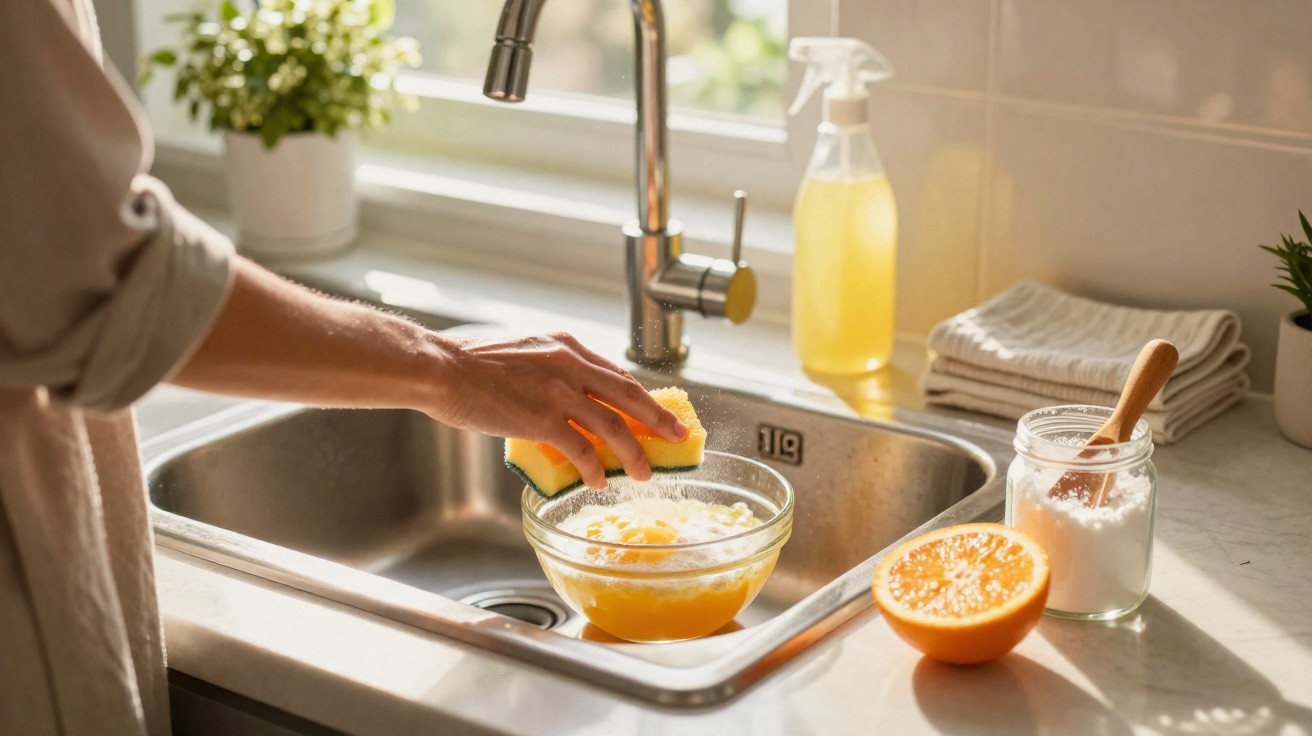
Wash food debris away immediately after doing the washing-up, then once a day wipe the bowl quickly with washing-up liquid and a sponge. Each week, add bicarbonate of soda, pour over a little vinegar, allow it to fizz, and rinse the drain with hot water. One calm minute at day’s end is better than endlessly pursuing “perfect” shine.
It is oddly liberating to discover that you can do less and still be “clean enough”. A home with some dust, a cherished pair of unwashed jeans over a chair, and a fridge that reflects real meals is not a failure. It is life happening in real time rather than being arranged for a photograph. When you stop cleaning everything so often, you may be surprised by what else you finally have the time and mental space to notice.
Comments
No comments yet. Be the first to comment!
Leave a Comment