
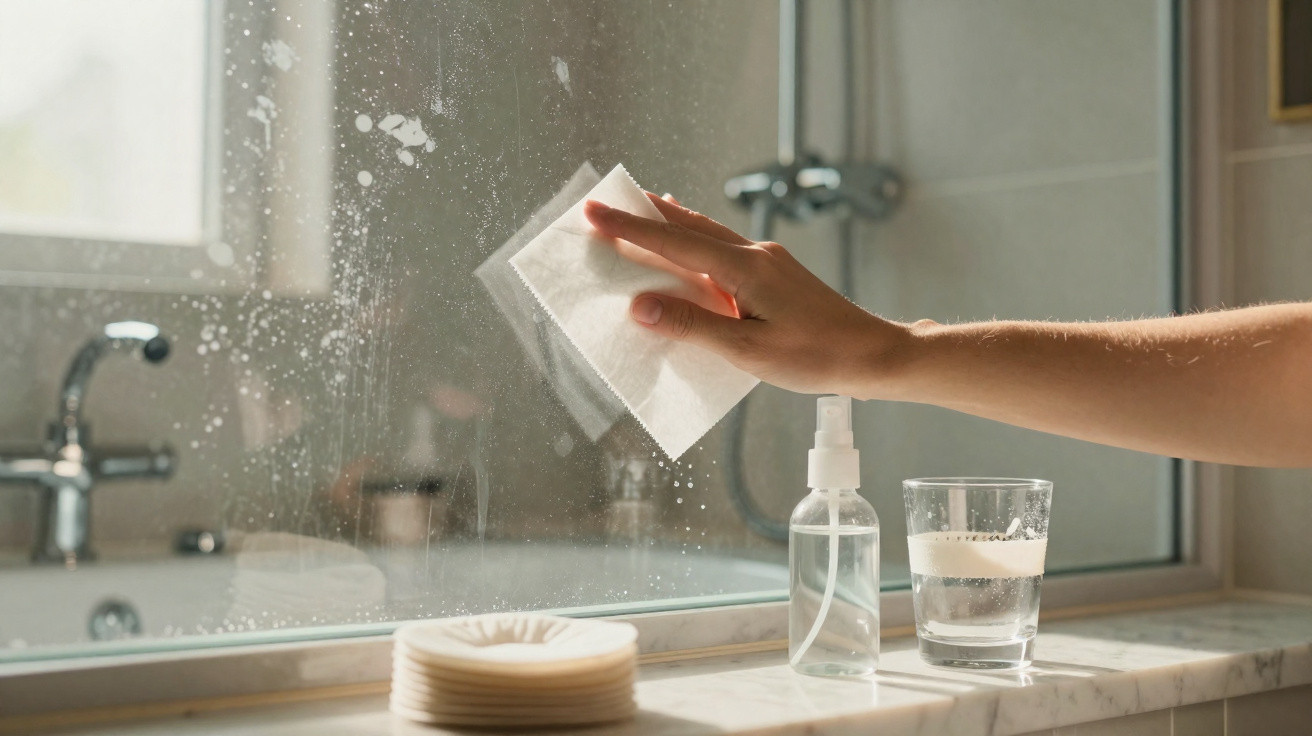
Bathroom taps, shower screens and glassware can appear spoiled by cloudy mineral deposits, even after a thorough clean.
Many homes keep reaching for tougher cleaners, abrasive pads and new tools, although a discreet answer may already be in the kitchen drawer: an ordinary coffee filter. This simple technique, recently reappearing on social media and household forums, is altering the way people tackle persistent hard water stains on glass, chrome and stainless steel.
Why hard water stains are so difficult to remove
Hard water contains large amounts of dissolved minerals, chiefly calcium and magnesium. As water evaporates from a surface, these minerals remain behind as a chalky layer. With time, the residue forms hard, cloudy crusts that ordinary wiping has little effect on.
These deposits are especially common on:
- Shower screens and doors
- Bathroom tiles and grout lines
- Kitchen taps and sink surrounds
- Glassware and drinking glasses
- Toilet bowls and cistern edges
People often attack them using harsh scouring pads or limescale gels. However, this can create tiny scratches, particularly on polished chrome and delicate glass coatings. Over time, those scratches hold more scale, meaning the marks return sooner and can become more noticeable.
Hard water stains are mineral scars, not just “dirt”, so they need friction and absorption rather than brute force alone.
How the coffee filter trick works
The “coffee filter trick” may sound like advice from a budget-living blog, yet cleaning specialists now refer to it during training sessions. An ordinary paper filter of the kind used in drip coffee machines has three useful qualities: it will not scratch, it absorbs extremely well and it provides mild abrasion without being aggressive.
What makes paper filters different
Rather than having the soft finish of a normal kitchen cloth, a coffee filter has a sturdy fibrous texture. This lets it work rather like exceptionally fine sandpaper. It moves smoothly across glass while catching tiny limescale particles. It also absorbs water and dissolved minerals rapidly, helping to prevent residue from drying onto the surface again.
Microfibre cloths are good at distributing moisture, but may smear dissolved limescale before it has been completely lifted away. A paper filter instead “locks” the residue into its fibres, much as it captures coffee grounds.
A step-by-step coffee filter method
With recent hard water spots, a dry filter may genuinely be all that is needed. More established, baked-on marks can be loosened with a small amount of water or white vinegar. Homeowners and professional cleaners describe the following straightforward process.
| Step | What to do | Why it works |
|---|---|---|
| 1 | Lightly rinse the surface with water. | This softens loose mineral dust and soap scum. |
| 2 | Fold a dry coffee filter into a compact pad. | It provides a secure hold and increases the contact area. |
| 3 | Work over the marks in small circles using light pressure. | Gentle micro-abrasion lifts minerals without scratching. |
| 4 | Wet the filter with water or vinegar for stubborn deposits. | This dissolves the deposits so that the paper can absorb them. |
| 5 | Finish by buffing with a clean, dry filter. | It clears streaks and produces a bright finish. |
On clear shower glass, many users report visible improvement in under a minute, without any spray cleaner or sponge.
Where the coffee filter trick works best at home
This approach is most effective on smooth, non-porous materials. Reader trials and examples shared by cleaning influencers identify several particularly useful applications.
Shower doors and screens
Shower glass is repeatedly exposed to hot water, soap and shampoo. Together, these leave a dull haze alongside concentrated drip marks. Using a coffee filter on the surface focuses on dried water spots without damaging any protective coating on the glass.
Some households store a pile of filters in a bathroom drawer and quickly rub down the screen after weekend showers. This small maintenance task avoids the heavy build-up that would otherwise require powerful acidic cleaners later on.
Kitchen taps and stainless steel sinks
In hard water areas, taps commonly collect white crust around their base and along the spout. Conventional metal scourers and rigid brushes may damage chrome. Firmly rubbing a damp coffee filter around the base can release the crust without scoring the finish.
For stainless steel, the filter can remove water marks without creating circular swirl marks. Cleaning trainers frequently recommend following the metal grain, then using a dry new filter to buff the surface and reduce streaking.
Cloudy glassware and vases
White rings inside glass vases and the cloudy film on wine glasses are generally mineral deposits left behind as water air-dries. A coffee filter rolled up and inserted into a vase can serve as a gentle bottle brush. Lightly dampened with vinegar, it removes the ring while keeping the pressure directed where it is needed.
For prized glassware, a coffee filter can act as a last, low-risk polishing step after washing and rinsing.
Why this inexpensive method is returning now
Using coffee filters in this way is not a recent invention. Some cleaning professionals in the UK and US have mentioned filters for polishing glass since the early 2000s. The advice has become viral again for several reasons:
- Growing concerns about water hardness as a greater number of areas depend on groundwater.
- Households reducing spending on specialist cleaning products amid high living costs.
- More short “cleaning hack” videos being shared on social platforms.
- Greater interest in cleaning routines that use fewer chemicals and create less waste.
The appeal lies in repurposing an inexpensive and readily available item, rather than adding yet another bottle or gadget to an overcrowded cupboard.
Limitations, risks and when to be careful
A coffee filter will not deal with every hard water issue. Heavy limescale on taps, boiler components or toilet rims will usually require a stronger chemical treatment or dedicated descaling product. Certain surfaces also warrant caution before rubbing them with any abrasive material, even one as mild as a paper filter.
Cleaning contractors highlight several precautions:
- Do not scrub coated lenses, electronic screens or anti-reflective glass vigorously.
- Try the method first in an inconspicuous area on tinted glass or decorative finishes.
- Do not depend on filters alone to tackle serious limescale inside kettles or on heating elements.
- Throw used filters away rather than washing and reusing them, because captured grit could cause scratches during the next use.
There is a minor environmental consideration too. Paper filters are designed for one use. For households that already make filter coffee, using the same pack for cleaning is practical. Purchasing filters solely to clean creates extra waste, although some manufacturers sell unbleached, compostable options.
Pairing coffee filters with other gentle cleaning methods
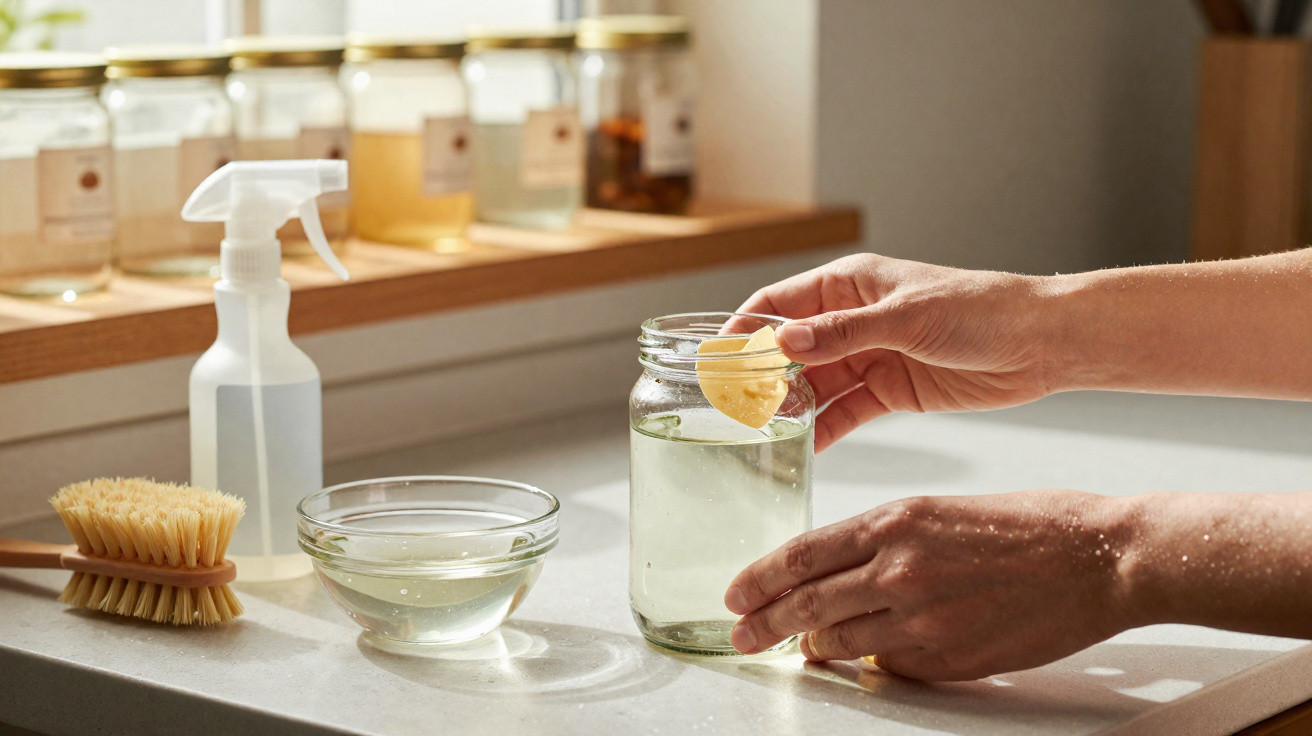
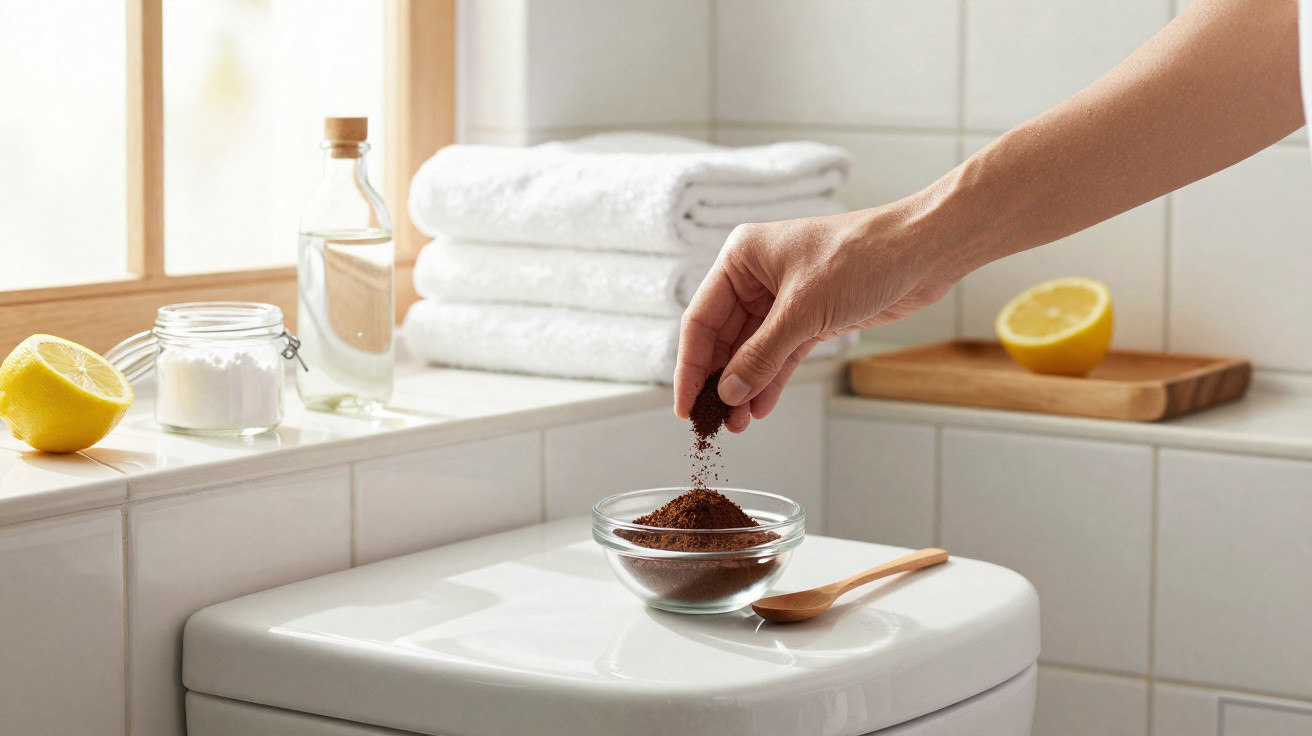
Many people combine the coffee filter technique with basic household products. White vinegar remains a familiar solution for mineral build-up, while bicarbonate of soda creates a gently abrasive paste. The filter improves control by making these liquids into a more precise cleaning pad.
One routine for more severe staining can be: mist the area with vinegar, allow it to sit for a few minutes, add a small amount of bicarbonate, then rub with a folded filter until the film comes away. Rather than allowing the mixture to run down the wall or into grout lines, the filter absorbs the slurry.
Think of the coffee filter as a smart delivery system for low-chemical cleaning, rather than a magic item on its own.
Beyond visible stains: how hard water affects the home
Marks on glass are only the outward sign of the broader effects of hard water. The same minerals build up inside appliances, pipes and heating systems. Kettles become furred up, washing machines operate less efficiently and shower heads block. Energy studies from UK and US utilities show that heating elements covered in scale need more power to achieve the same temperature.
Cleaning surfaces regularly with coffee filters will not safeguard a boiler, but it can form a small part of a wider maintenance routine. Some homes combine surface-cleaning tricks with a whole-house water softener or compact cartridge filters beneath the sink. Others choose the simpler option of installing limescale-control devices on shower pipes and taps. Each of these measures limits later deposits and makes the weekly coffee filter task easier.
Turning the cleaning hack into a weekly habit
For anyone finding it difficult to get motivated to clean the bathroom or kitchen, this method provides a small psychological boost. It requires little effort, creates minimal mess and feels slightly unusual. That is more significant than it may seem: frequent light cleaning prevents the hardened deposits that can lead to entire weekends spent scrubbing.
A practical arrangement is to place a small supply of filters in useful locations: a zip bag in the bathroom, a stack beside the kitchen sink and one in the laundry room. When fresh droplets appear on a tap or pale rings form on shower glass, a quick 30-second rub can stop them becoming thick, chalky marks. After several weeks, surfaces can look clearer and remain so with less effort.
Hard water is unlikely to disappear, particularly across much of the UK, the US Midwest and the Southwest. However, renewed interest in basic items such as coffee filters suggests a wider change: more people are seeking cleaning methods that are affordable, gentle and manageable instead of relying on forceful chemical shock treatments. This small paper disc provides another option, quietly waiting between the mugs and sugar jar.
Comments
No comments yet. Be the first to comment!
Leave a Comment