
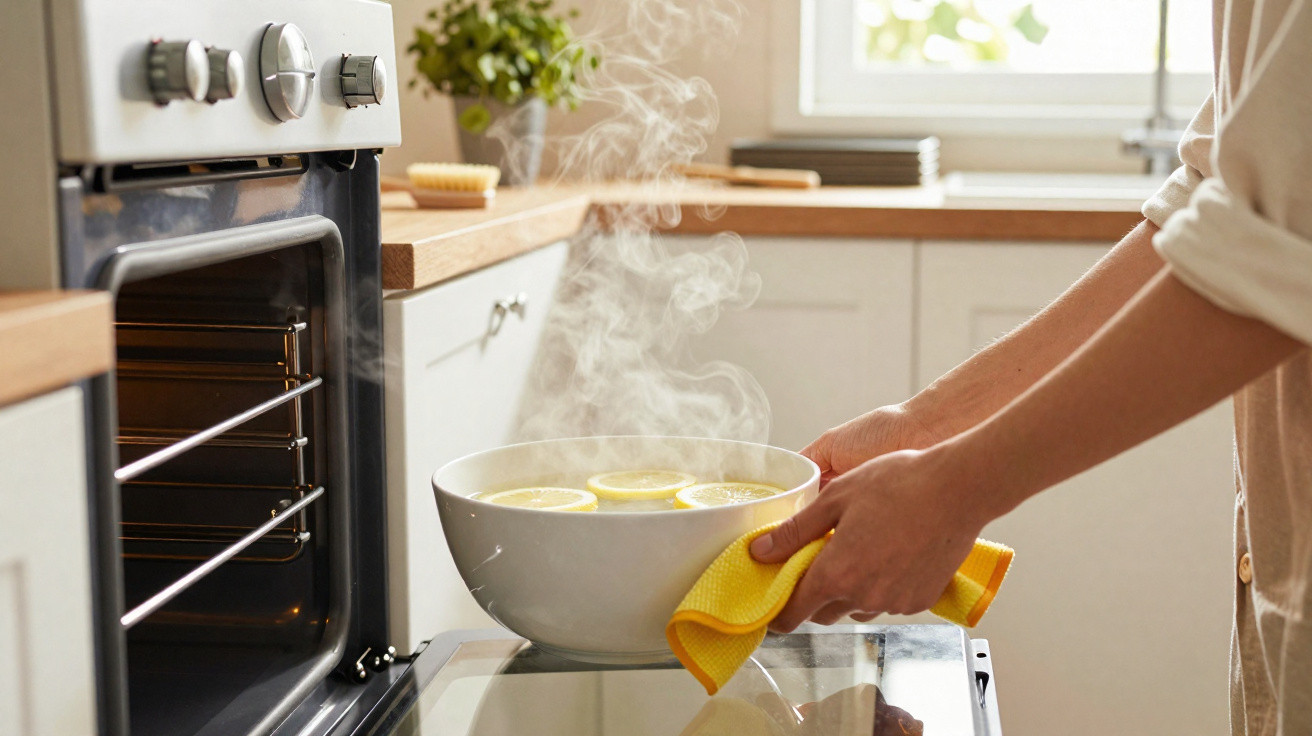
The oven door opens with a tacky creak, revealing a glass panel clouded by brown trails, crumbs hardened into the corners and the lingering scent of old pizza and roast chicken.
You meant to deal with it last Christmas, then at Easter, then after that particularly ambitious lasagne. But instead, you have avoided looking too closely at your own appliance. Shop-bought sprays rarely shift fully baked-on grime, while vigorous scrubbing becomes an upper-body workout nobody asked for. So the door gets shut and you tell yourself it will do.
Now picture a bowl of hot water, a dash of an everyday cupboard ingredient and a soft cloud of steam. The grime then slips away under a cloth. There are no harsh chemicals or sore wrists involved: only heat, moisture and a straightforward method that almost feels like a shortcut.
The hidden mess at the heart of the kitchen
Opening somebody else’s oven feels strangely personal. Its metal walls reveal the late-night frozen chips, Sunday roasts and meals made when cooking properly felt like too much effort. Every grease splash has a story, while the blackened spots on the base tray recall the time cheese bubbled over.
Worktops are cleaned because they are in plain sight, and the hob gets wiped after something boils over. Hidden at waist level, with its weighty door and inconvenient angle, the oven tends to slip outside the usual cleaning routine. It gradually becomes a separate world of old odours and unseen smoke: mildly embarrassing, though never pressing enough to tackle. That changes when you turn it on and the kitchen suddenly fills with the familiar haze of burning fat.
A London cleaning company recently said that oven cleaning is one of its most requested “emergency” jobs, just behind end-of-tenancy panic cleans. That is revealing. Many people tolerate a dirty oven for months, only needing it immaculate when visitors are coming or a landlord inspection is approaching.
There is the familiar last-minute scrub on Christmas Eve, with the turkey already marinating on the worktop. Then there is the new-parent period, when the oven becomes a time capsule from before the baby arrived. Videos labelled “oven cleaning satisfaction” attract millions of views on social media, because watching baked-on grease dissolve satisfies a very particular part of the brain.
The problem is not solely about appearance. The dark coating around the sides consists of old oil and food that has carbonised into a resistant layer. Heating it releases fine particles and smoky fumes all over again. This is why an oven that appears “just a bit stained” may trigger the smoke alarm or give freshly cooked food an odd, stale taste.
Dry heat by itself makes dirt even tougher, much like the overcooked edges of a lasagne dish. The effective combination is moisture, warmth and a little chemistry. Steam softens the residue, working its way beneath the greasy coating to weaken its hold on the metal. With a mild cleaning addition, what was a solid crust becomes a soft film that can be wiped away. The real trick is not force, but allowing time and temperature to do the work.
The oven steam-clean trick: easy, quiet and remarkably satisfying
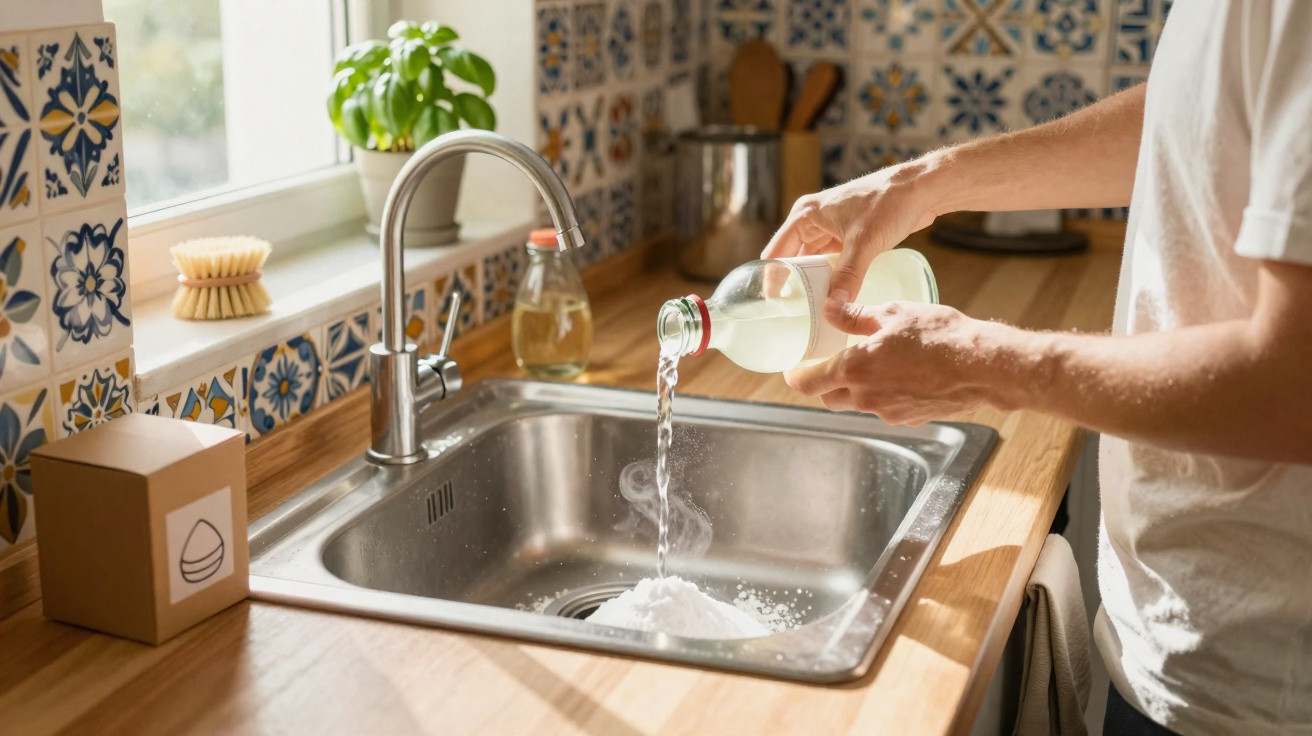
The basic idea is to turn a grimy oven into a miniature spa. First, remove the shelves and trays. Half-fill an ovenproof dish or roasting tin with hot water. Pour in a generous splash of white vinegar or the juice from a lemon; if preferred, slowly stir in a spoonful of bicarbonate of soda so it does not fizz over.
Place the dish on the middle shelf, close the door and set the oven to between 120°C and 150°C (250–300°F). Leave it running for 30 to 45 minutes. As the water becomes steam, it circulates the vinegar or citrus through the oven cavity and gently treats the baked-on layers. Once the time has passed, turn off the oven and leave the door closed for another 10–15 minutes, allowing the steam to complete the process. Carefully open the door, take out the dish and start wiping. The difference is noticeable from the first pass.
This is the point where most people go wrong: they hurry. They expect three months of lasagne splashes and chicken fat to disappear in ten minutes, then abandon the method when that does not happen. Steam cleaning resembles slow cooking more than fast food. Lower heat over a longer period lets moisture penetrate the dirt and disrupt its bond with the metal.
Setting the temperature too high is another frequent error. It seems sensible, yet intense heat can bake grime on even more firmly, particularly around the sides. A lower setting keeps the steam in the oven rather than letting it rush away. Let’s be honest: nobody really does this every day. Once a month is already a small miracle, and even every few months is an improvement on the “once a year panic scrub”.
The final wipe-down is often underestimated too. Once the door is opened after steaming, use a soft cloth or non-scratch sponge and work through the oven one area at a time. The dirt should lift away in gratifying brown streaks. Particularly old ovens may require a second steam session; that is not a failure, merely evidence that science is gradually reversing years of neglect.
“The first time I tried the steam method, I honestly thought I’d wasted my time,” says Laura, a busy mum of three who shared her routine in a cleaning Facebook group. “Then I touched the side wall with a cloth and the brown layer just slid off. I felt weirdly proud. Like I’d found a cheat code for adulthood.”
A handful of small habits can help maintain that result:
- Wipe up new splatters while the oven is warm rather than hot, as they lift off within seconds.
- Do a quick 20-minute steam clean after substantial, messy roasts or cheesy bakes.
- Choose baking trays with taller sides to contain bubbling sauces.
- Cover the base tray with reusable liners instead of loose foil, which may damage heating elements.
On an exhausting Tuesday evening, these small decisions may seem unnecessary. Across a whole season of cooking, however, they prevent the oven interior becoming a museum of old meals. They also keep the steam-clean trick below an hour, rather than allowing it to turn into an all-weekend task.
From feared task to a small act of care
There is a quiet sense of empowerment in turning a dreaded task into a ritual that no longer feels intimidating. The steam-clean trick requires neither specialist products nor a spare afternoon. All it needs is a bowl, hot water, a little acidity and the patience to let physics take over while you read, scroll or fold washing.
Changing the thought from “I should clean the oven” to “I’ll put on a steam cycle while I’m at home” shifts the atmosphere of the kitchen. The oven is no longer a source of guilt, but another tool maintained through brief, manageable sessions. You may even find that food tastes cleaner, less affected by the memory of ten earlier meals. When guests open the door to inspect a tart or tray of croissants, that small flash of embarrassment no longer appears.
At a deeper level, this uncomplicated technique shows that not every mess calls for heroic effort. Some things give way when they are allowed to soak, soften and release at their own pace. The accumulated grime is genuine, but so is the gentle science that breaks it down. The next time you preheat for a roast, you may think: “I could steam-clean tomorrow while I drink my coffee.” That quiet thought is how an unwanted chore gradually becomes a pleasing act of caring for your home - and yourself.
| Key point | Detail | Benefit for the reader |
|---|---|---|
| Steam + mild acid | Hot water with vinegar or lemon softens baked-on grease | Makes it possible to clean without aggressive products or vigorous scrubbing |
| Low temperature | Between 120°C and 150°C for 30–45 minutes | Maximises steam formation, allowing it to remain in the oven and work deeply |
| Regular routine | A small steam cycle after especially fatty or cheesy dishes | Prevents exhausting “deep cleans” and keeps the oven clean day to day |
FAQ:
- Can I use this steam-clean trick in any oven? It works in most electric and gas ovens, including those without an integrated steam-clean programme, provided that you use an ovenproof dish and keep the temperature moderate.
- Is vinegar safe for my oven interior? White vinegar is usually safe for enamel and glass. Avoid applying it to bare metal or damaged areas where the coating has chipped away.
- How often should I steam-clean my oven? Once a month is a good schedule for a busy household. If fatty roasts or cheesy bakes are frequent, a quick 20-minute steam every couple of weeks is very helpful.
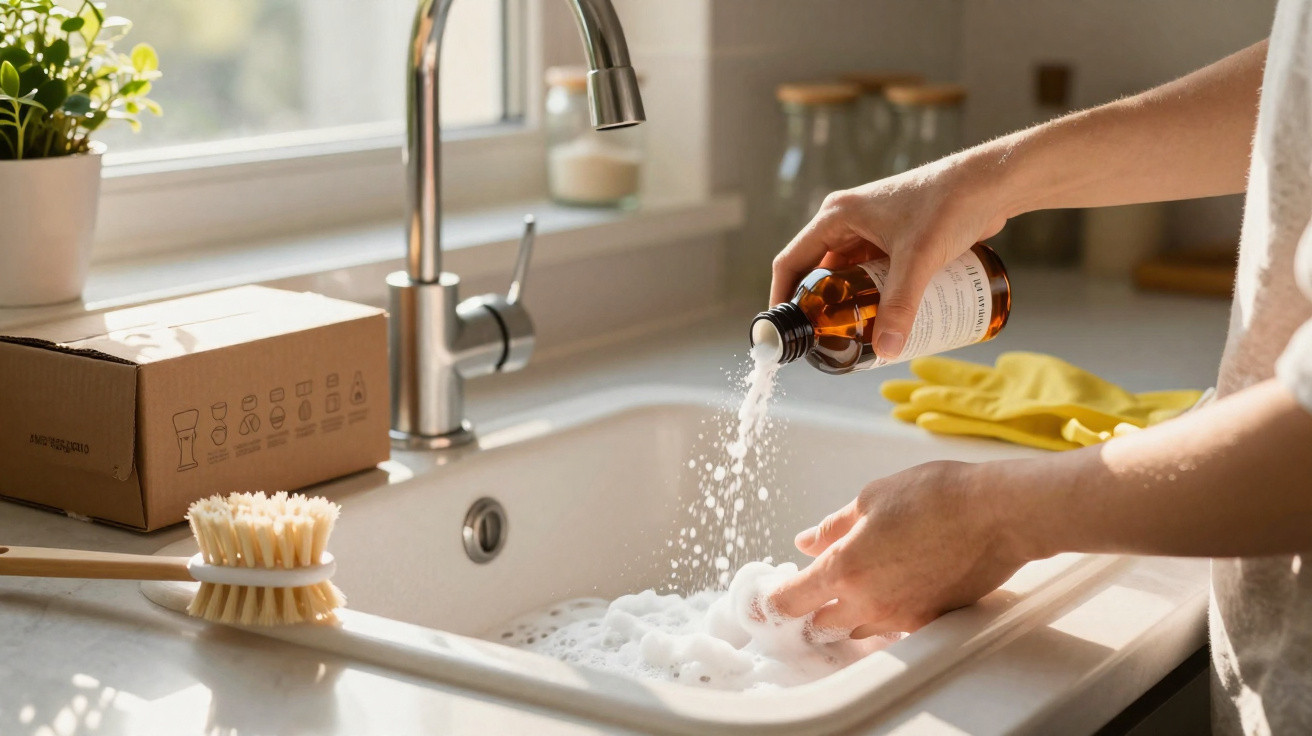
- What if my oven is extremely dirty and old? You might need to repeat the steam cycle two or three times, using a mild bicarbonate of soda and water paste on the worst areas before steaming.
- Can I replace chemical oven cleaners completely? For light to moderate grime, yes. Where there is extremely heavy, years-old build-up, the steam method can greatly reduce the scrubbing needed, after which a gentler cleaner can be used on any remaining stubborn patches.


Comments
No comments yet. Be the first to comment!
Leave a Comment