
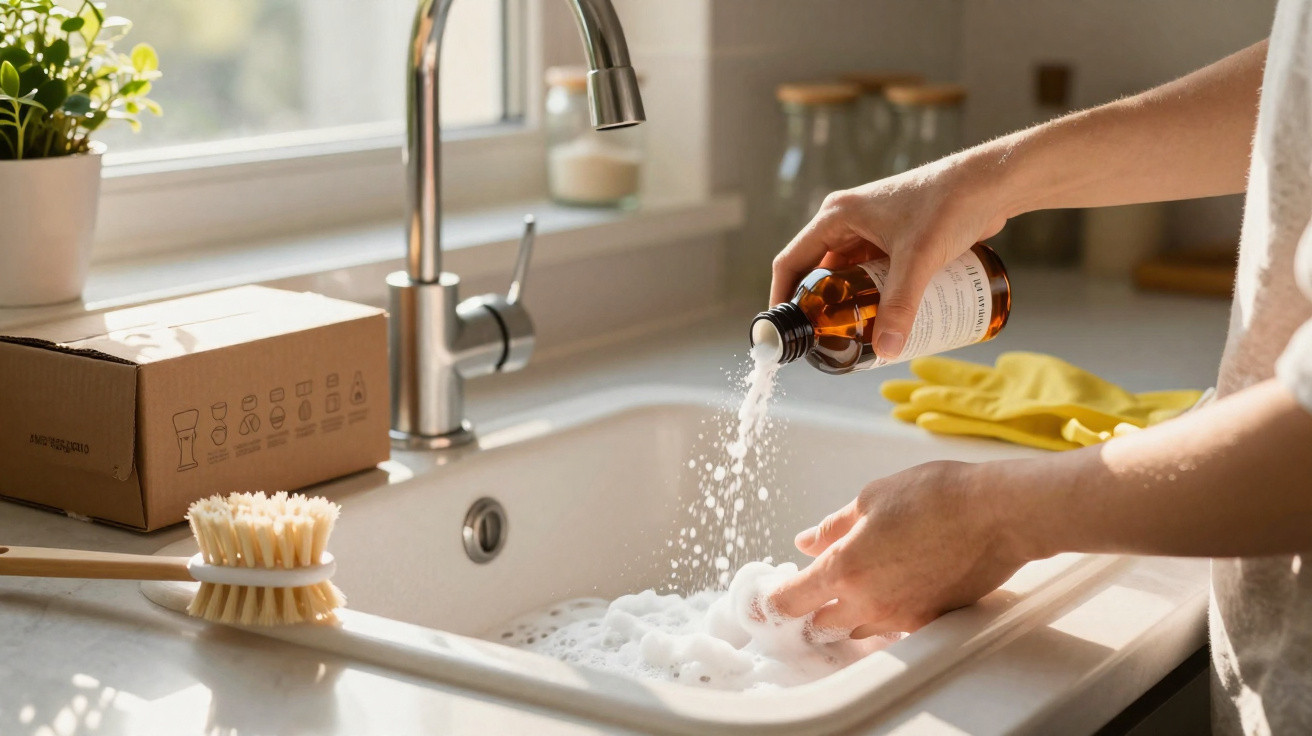
The first time I watched someone casually tip baking soda into a bowl of hydrogen peroxide, I instinctively moved back, as though they were preparing explosives.
It happened in a cramped kitchen on a Tuesday morning, beside a marked chopping board and a cup of coffee that had already gone cold. There were no gloves or lab coat in sight: only a chipped ceramic bowl and a wooden spoon.
A few seconds later, the mixture began to fizz gently, like a subdued fizzy drink. I watched brown marks on the board fade before my eyes. Its scent was fresh and slightly clinical, though not overpowering. There was no glossy packaging or expensive branded formula involved, just two inexpensive supermarket ingredients.
That was when I understood that something was taking place in our homes, far from the big brands, that hardly anyone seemed to be discussing: a quiet DIY chemical revolution. At its heart sits this pairing of white powder and clear liquid.
From traditional remedy to viral “miracle mix”
Browse cleaning TikTok or home-hack Instagram and the same scenario appears again and again: a filthy sink, a yellowed mug or grout that has turned nearly black. The shot then closes in on a spoonful of baking soda and a splash of hydrogen peroxide. Within moments, the grime appears to dissolve. Captions call it a “game changer” and ask, “where has this been all my life?”
Baking soda was once simply the neglected carton at the back of the fridge, while hydrogen peroxide was the brown-bottle antiseptic your grandmother put on grazed knees. Together, however, they have become popular as an affordable, low-tox alternative to aggressive cleaning products. They seem harmless and rather unexciting, yet users insist they beat many of the brightly coloured bottles kept beneath the sink.
The hype is underpinned by straightforward but intriguing chemistry. Baking soda works as both a mild alkaline substance and a gentle abrasive. Hydrogen peroxide is an oxidiser that breaks down into water and oxygen as it tackles stains, bacteria and unpleasant odours. Mixed together, they create a paste that can scrub, lift dirt and disinfect at once. There is something particularly satisfying about using such basic ingredients and seeing ingrained marks disappear.
In one viral video, a mother tackled the grey, seemingly hopeless grout between white bathroom tiles. She made a cloudy baking soda and hydrogen peroxide paste, spread it over the lines with an old toothbrush and left it to work. Following a brief scrub, the video switched to a remarkably different result: grout several shades lighter, the sort of transformation normally associated with a professional deep clean.
These stories have some real figures behind them. Across home-care forums and Reddit discussions, people regularly say they have replaced two or three specialist products with this single mixture, including stain remover, toilet cleaner and tile whitener. At the usual household concentration of 3%, laboratory tests show that hydrogen peroxide can significantly reduce bacterial loads on surfaces. Alongside baking soda’s abrasive action, the result is quick, noticeable and, when seen in person, frankly addictive.
Some of the enthusiasm comes from an unlikely source: exhaustion. People are fed up with indecipherable labels, eye-watering fumes and premium prices for products that leave streaks behind. Two ingredients with pronounceable names can feel reassuring. Some dentists and dermatologists also mention baking soda and hydrogen peroxide in interviews and posts, whether for whitening teeth, with caveats, or for cleaning make-up brushes and razors.
Baking soda and hydrogen peroxide: mixing and using it safely
The standard formula could hardly be easier: two parts baking soda to one part 3% hydrogen peroxide. This produces a smooth paste with a consistency between toothpaste and thick yoghurt. Add extra baking soda if it is too liquid; if it is dry and crumbly, add a few further drops of peroxide. No specialist equipment is needed, just a small bowl, spoon and perhaps an old toothbrush or sponge.
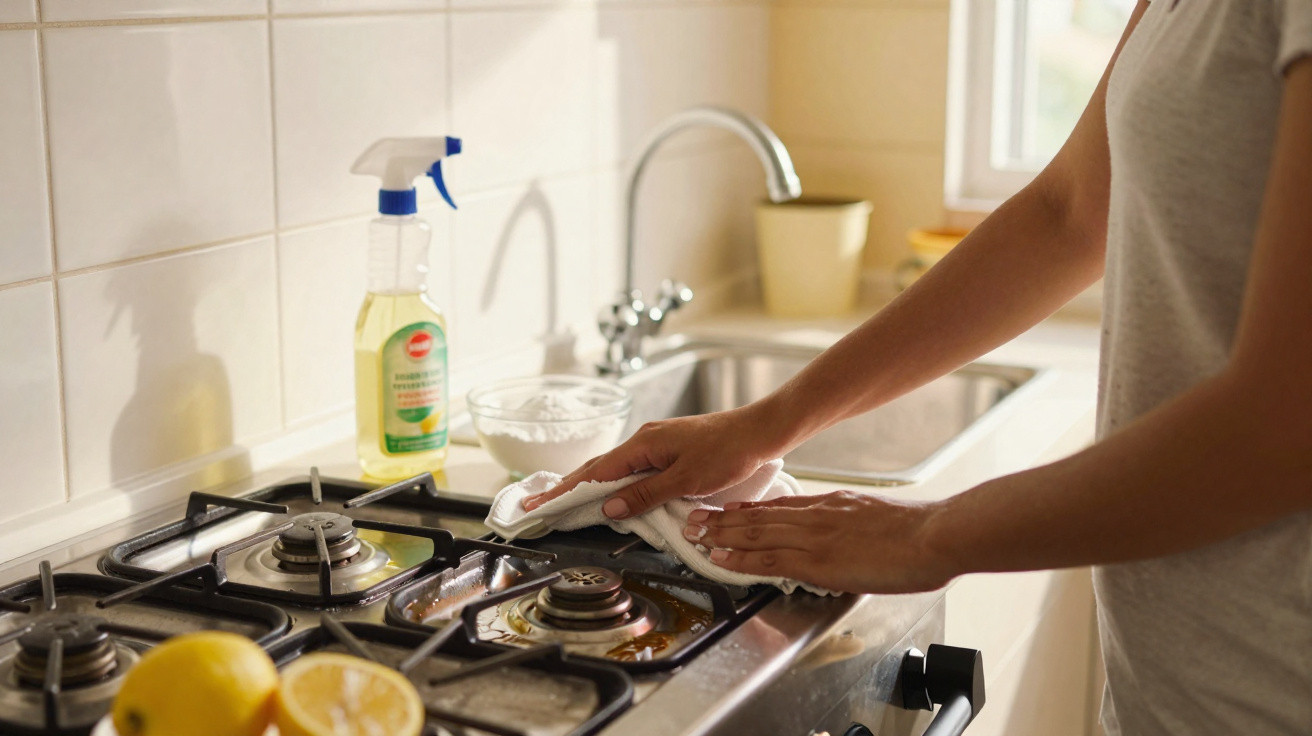
Apply the paste to the surface you want to treat, such as stained grout, greasy oven-door glass, tea-marked mugs or even white trainer soles. Leave it for 5 to 10 minutes for lighter tasks and up to 20 minutes for more persistent marks. Next, scrub gently and rinse thoroughly with water. The visible fizz is perfectly normal: tiny oxygen bubbles are helping to loosen dirt and discolouration.
There are important boundaries, however, and this is where many people come unstuck. Certain materials simply do not respond well to the combination. Repeated use can etch or dull natural stone, including marble and granite. Delicate fabrics, particularly coloured cottons and synthetics, may lighten unpredictably. Before using it on a favourite sofa or costly worktop, try it first on a small concealed patch. Never turn this pair into a random cleaning “cocktail” by adding vinegar or other products. Chemistry is not swayed by enthusiasm for home hacks.
A frequent error is applying the paste every day to the same area. Because it performs so effectively, some people begin treating their sink, grout or even teeth with it as a daily ritual. That is the point at which a smart hack becomes gradual damage. Over time, baking soda may scratch glossy surfaces, while even 3% hydrogen peroxide can slowly bleach colours or dry materials out when it is used excessively.
Let’s be honest: almost nobody does this every day while following every precaution perfectly. You arrive home late, the oven is filthy and you just want it clean, so you estimate the quantities, spread it on and walk away. That is only human. The safest middle ground is to save this mixture for targeted cleaning missions: a grim oven, a spring bathroom refresh or trainers you had assumed were beyond saving.
Treat it as a spotlight cleaner rather than an everyday supporting act. Choose mild tools, including soft brushes, non-scratch sponges and microfibre cloths. Rinse for longer than seems necessary, particularly on porous materials. If you plan to use it close to your body, whether to whiten teeth, clean earrings or refresh underarm stains, seek guidance from a dentist or dermatologist rather than relying on a 30-second video.
“The power of baking soda and hydrogen peroxide isn’t that they’re ‘natural’ or ‘magical’,” says a chemist I interviewed. “It’s that they’re predictable, cheap, and surprisingly effective when you respect what they can and can’t do.”
A few straightforward guidelines will help ensure this combination works for you rather than against you. Consider them less strict rules than a practical cheat sheet from somebody who has already learnt the hard way.
- Prepare only small quantities and discard any remaining paste after use.
- For household use, use 3% hydrogen peroxide only, rather than stronger formulations.
- Keep hydrogen peroxide in a dark bottle, protected from heat and light.
- Wear gloves if your skin is sensitive or if you expect to scrub for some time.
- Avoid routine use on natural stone, antique wood and delicate fabrics.
Beyond cleaning: the broader and stranger uses of the duo
The story of baking soda and hydrogen peroxide extends well beyond sinks and tiles. This uncomplicated pairing appears in remarkably different areas of daily life. Pet owners use it in a well-known recipe for neutralising skunk spray on dogs. Gardeners dilute it to wash plant pots and tackle fungus on pruning tools. Some runners use it to scrub odours from sports equipment when ordinary laundry products seem unable to shift them.
There is also a more personal and disputed side to its use. People prepare highly diluted mixtures for rinsing mouthguards, retainers and toothbrushes. DIY enthusiasts discuss brightening stained nails, washing hairbrushes and even preparing reusable menstrual cups with solutions that are then rinsed extremely thoroughly. Every one of these applications sits in a grey zone between “probably fine” and “please ask a professional first”. The distinction is narrow, and your body is not a kitchen sink.
On an emotional level, the appeal of this combination reaches beyond cleaning. We have all had that moment of opening a cupboard packed with household products and no longer knowing what we bought or why. Baking soda and hydrogen peroxide can feel like a quiet rejection of that clutter: two familiar essentials, a few useful recipes and a restored sense of control over your home and spending.
There is a subtle satisfaction, too, in achieving a striking result with something so simple. Show a friend the before-and-after of an oven door, then explain that the ingredients cost less together than a coffee, and the response is usually part disbelief and part interest. “Send me the recipe,” they say. That is how trends develop: not through headlines, but through small shared wins against stains and grime.
This potent mix has clear limitations, and frustration starts when those are ignored. It cannot magically resolve mould buried deep in walls or restore a rusty pan to a brand-new appearance. Nor can it replace professional hospital disinfectants or targeted healthcare treatments. It is a tool, not a religion. The more candidly we discuss what it can and cannot achieve, the more useful it becomes.
Still, the quiet popularity of this fizzing paste reveals something about the way people now want to live: less packaging, fewer unfamiliar chemicals and greater transparency. People want the chemistry taking place in their sink or on their trainers to feel understandable rather than mysterious. They want to reach into a cupboard, combine two recognisable items in a bowl and feel that they are not being misled.
Perhaps that is why recommendations for this mixture continue to travel, one conversation at a time. A neighbour teaches another how to save a baking tray. A parent shares the trick with an adult child moving into their first flat. An online stranger films a grout transformation that attracts a million views. Between the fizzing bubbles and whitening tiles, a modest but persistent trust is being rebuilt: trust in simple things that work quietly, without promising the moon.
| Key point | Detail | Benefit for the reader |
|---|---|---|
| Simple but powerful combination | 2 parts baking soda + 1 part 3% hydrogen peroxide = versatile cleaning paste | Can replace several household cleaners and reduce costs |
| Wide range of uses | Tile grout, oven, stained mugs, shoes, sports equipment and garden tools | Provides practical solutions to common household problems |
| Essential precautions | Avoid natural stone, delicate fabrics and random combinations with other products | Protects your surfaces and health while preventing unpleasant surprises |
FAQ
- Can I use baking soda and hydrogen peroxide on my teeth every day? Most dentists recommend against daily use. The mixture may help remove occasional stains, but regular scrubbing can wear down enamel and irritate gums. Treat it as a “special occasion polish”, not an everyday toothpaste.
- Is this combo safe for coloured fabrics? Take great care. Hydrogen peroxide has a mild bleaching action and may lighten some dyes. Always test a hidden area first and rinse thoroughly. For valuable items, a professional cleaner is the safer option.
- What strength of hydrogen peroxide should I buy? For domestic cleaning, the standard 3% solution available from supermarkets and pharmacies is sufficient. Stronger concentrations are more hazardous and are generally intended for professional or medical contexts.
- Can I mix baking soda, hydrogen peroxide and vinegar together? It is best not to. The ingredients may neutralise one another or produce unpredictable reactions. Use them separately for different jobs rather than making an all-purpose potion.
- How long can I keep a batch of the mixture? Make small amounts and use them immediately. Hydrogen peroxide degrades over time and becomes less effective. Any leftover paste may dry out and lose activity, so there is little point in storing it.
Comments
No comments yet. Be the first to comment!
Leave a Comment