

In many homes, bath time comes with the feeling that a towel is no longer what it once was: over time, the fabric becomes rougher, less comfortable and seemingly less effective at drying. In most cases, this is directly related to washing, drying and care routines rather than the age of the item itself.
Why do bath towels lose softness and absorbency?
Usually made from cotton, a bath towel works through a network of tiny channels that draw in water by capillary action. With frequent use and repeated washes, these channels can become clogged with residue trapped between the fibres, affecting both texture and performance.
Minerals in the water, too much detergent, regular use of fabric conditioner and overfilling the washing machine are among the main factors that damage the fabric. Very hot water also speeds up cotton wear, reducing its elasticity and making the surface feel harder.
How can you restore a stiff bath towel?
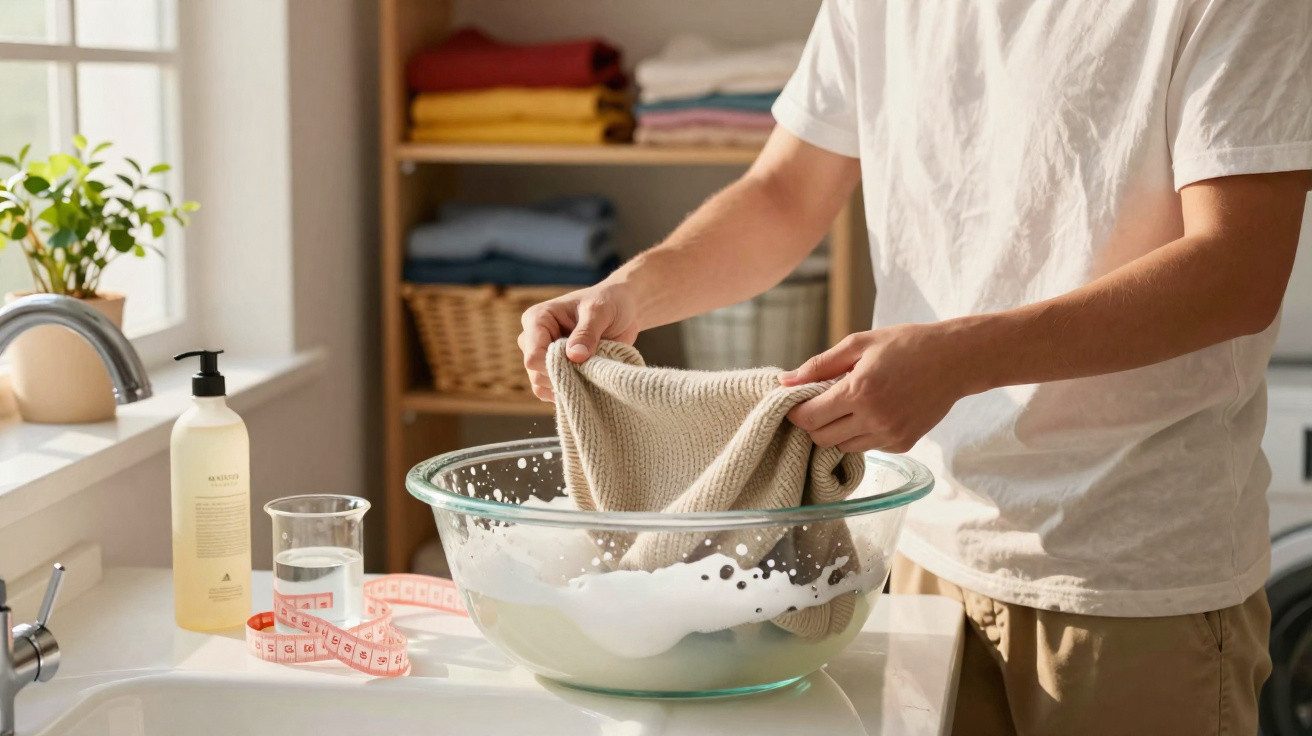
A bath towel that has become stiff does not always need replacing. Straightforward changes to the washing routine can restore some of its softness and drying efficiency. Start by reviewing the products used, their quantities and everyday habits that have become automatic.
The following basic measures can make a significant difference to the towel's pleasant feel and absorbency:
- Control the amount of detergent: use only the dose recommended by the manufacturer.
- Use less, or avoid, standard fabric conditioner: it leaves a coating that makes the fibres water-repellent.
- Do not overload the drum: towels need sufficient space to move against one another and rinse properly.
- Adjust the water temperature: choose lukewarm or cool water to protect the cotton.
- Ensure a thorough rinse: an extra rinse cycle helps remove built-up detergent residue.
Using glycerine and other ways to keep bath towels soft
As well as improving washing practices, some people add a small amount of pharmaceutical-grade glycerine to the fabric-conditioner compartment. This substance helps keep the fibres more flexible without making the towel slippery, and it can be used alongside effective rinse cycles.
You can also alternate glycerine with white vinegar in the wash, as vinegar helps remove mineral deposits, particularly in areas with harder water. When used in moderation, this approach can extend the towel's soft feel and maintain good absorbency.
Daily care that extends the life of bath towels
Proper drying and storage matter just as much as effective washing. Leaving a bath towel damp for long periods encourages unpleasant odours and premature deterioration. Hanging it fully open in a well-ventilated area allows moisture to evaporate evenly and helps prevent mould.
It is also advisable to give the towel a light shake when taking it out of the washing machine to “loosen” the fibres, favour air-drying away from excessive sunshine, and store it only once completely dry, folded loosely. By avoiding excessive compression in the cupboard and continual tumble-drying at very high temperatures, the towel is more likely to retain its pleasant feel and dry the body efficiently for much longer.


Comments
No comments yet. Be the first to comment!
Leave a Comment