
This will open the route to the mass market
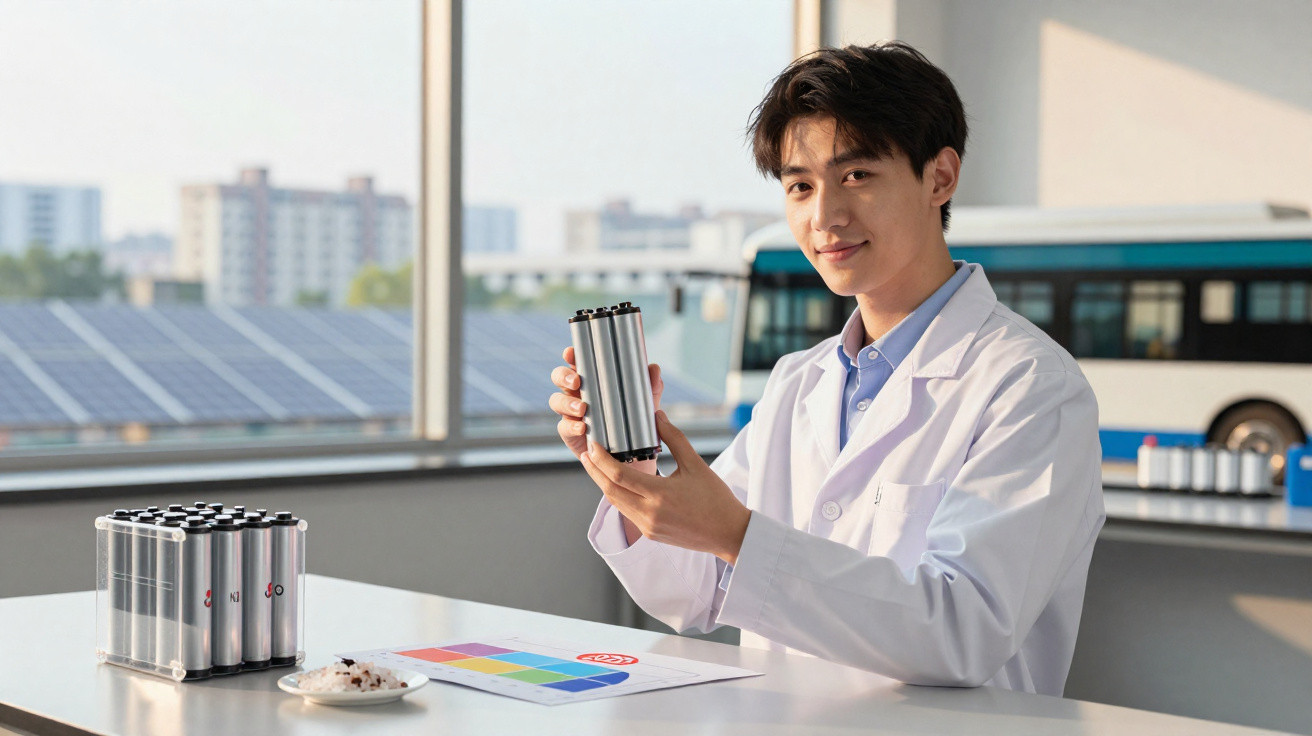
According to Li Shujun, chief executive of Zhongke Haina, also known as Hina Battery Technology, sodium-ion batteries will reach cost parity with lithium-ion batteries in the near future.
Sodium-ion battery costs approach lithium-ion levels
Li said lithium batteries currently cost between 0.3 and 0.5 yuan per Wh (US$0.044–0.073/Wh). By comparison, sodium batteries are priced at 0.5 to 0.7 yuan per Wh (US$0.073–0.102/Wh), depending on the application scenario. However, he said sodium battery costs are falling rapidly, while lithium battery pricing is facing upward pressure.
He expects the two price ranges to meet at around 2027. By 2028, the ranges are forecast to overlap, indicating that sodium batteries could become cost-competitive across a wider variety of applications. According to Li, this crossover point would mark market adoption, as large-scale replacement of battery chemistries generally requires costs to align.
Hina Battery Technology forecasts sodium-ion battery scale-up
Looking further ahead, Li said sodium-ion battery output could reach hundreds of GWh after 2028, with cell costs falling to roughly 0.3 yuan per Wh (US$0.044/Wh). As the technology advances, the energy density of sodium batteries is expected to exceed 180 Wh/kg.
Hina Battery Technology is among the companies driving the commercialisation of sodium-ion batteries in China. Their use is already expanding into commercial vehicles and energy storage systems.


Comments
No comments yet. Be the first to comment!
Leave a Comment