
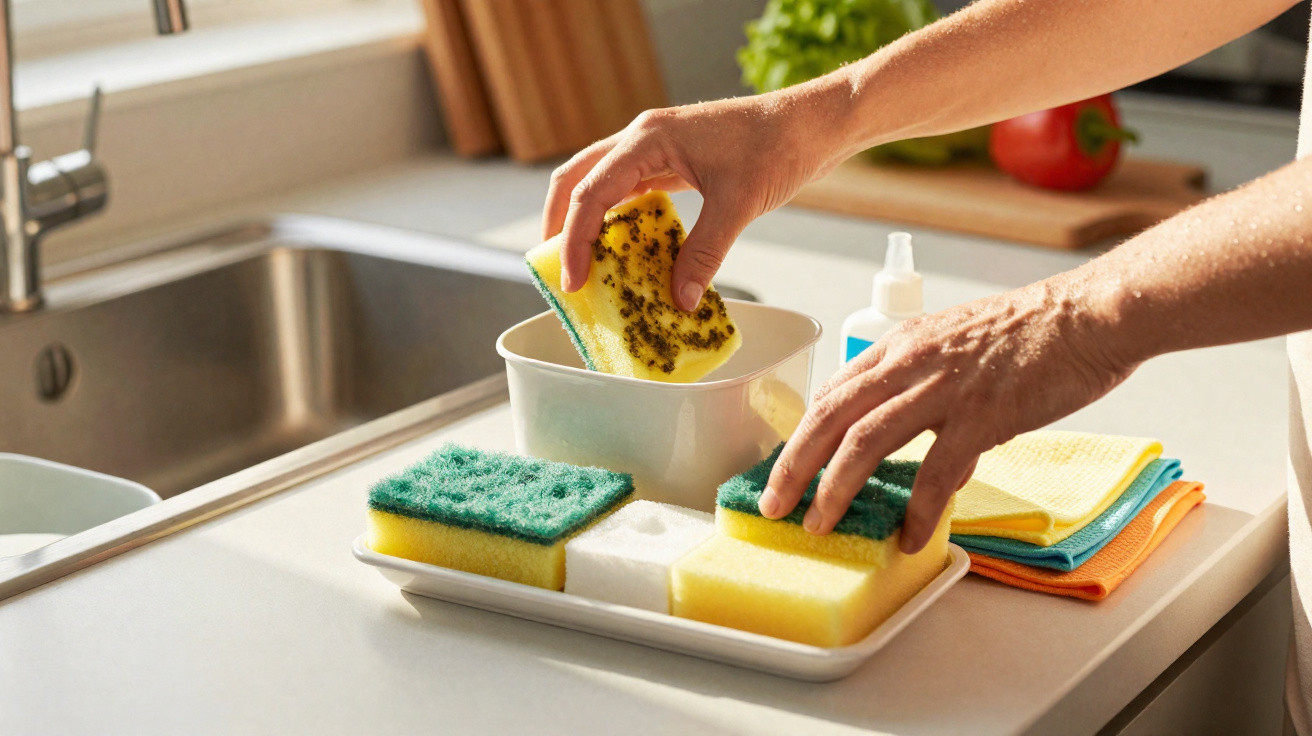
Proper cleaning of kitchen utensils relies directly on looking after the accessories used at the sink. Keeping the same item for weeks encourages the growth of harmful germs, turning everyday cleaning into an invisible source of contamination for the entire family.
Why must a traditional synthetic sponge be replaced every week?
The version made from polyurethane has a highly porous, absorbent internal structure. It traps tiny food particles and constant moisture, producing ideal conditions for microbes, as biomedical scientist Roberto Martins Figueiredo explains when assessing the most common household risks.
Even when it is regularly disinfected with heat, a synthetic sponge builds up resistant colonies after seven days. Replacing it weekly therefore prevents these pathogens from reaching clean plates, providing the sanitary safety needed while preparing family meals.
What is the ideal interval for replacing a cleaning accessory?
Many people assume that a fortnight or a month is a safe period, but science shows that… Read more
How do vegetable scourers and cellulose perform in everyday use?
Eco-friendly choices have become more popular in modern kitchens because of their lower environmental impact. A vegetable scourer has open fibres that dry quickly, making it harder for fungi and bacteria to multiply, although it still needs regular cleaning to retain its protective effectiveness.
A natural cellulose sponge, meanwhile, holds moisture for a moderate length of time, so it requires attention to ventilation after use. When they are properly kept in well-aired holders, these biodegradable alternatives can offer greater durability without affecting the cleanliness of household utensils.
Below is a video from Duda Nagle’s YouTube channel that explores the points discussed in this topic in greater depth:
What are the hygiene benefits of a silicone sponge?
This rubber-like material provides a non-porous surface that prevents greasy liquids from being deeply absorbed. This distinctive feature makes surface residue easier to remove, making silicone an enduring alternative against the unwanted formation of bacterial biofilms.
Because it does not retain water internally, the accessory dries quickly on the worktop, dramatically reducing unpleasant odours. Its longer service life can save money, provided it is washed periodically with mild detergent to remove any grease left on the bristles.
Utensil Care Kit
Essential care practices
Simple habits can improve hygiene in the daily household routine:
- Always store items in dry, open holders.
- Remove every visible food remnant after washing.
- Avoid storing them over containers holding bar soap.
Which signs mean an item needs replacing immediately?
Even when it has only been used for a short time, visible changes call for early disposal. The appearance of dark stains, crumbling foam or a loss of its original firmness indicates that the internal fibres have suffered irreversible structural wear.
Another critical warning sign is an ongoing inability to dry completely, combined with a distinctive sour smell. These symptoms confirm that the microbial population has reached dangerous levels, making any attempt at restoration through traditional home methods of cleaning or boiling ineffective.
Watch for these key warnings that show it is time to discard the product straight away:
- A strong smell that remains even after thorough rinsing;
- Visible distortion, loss of thickness or crumbling;
- A sticky feel or dark stains on the surface.
How can cross-contamination be avoided when washing dishes every day?
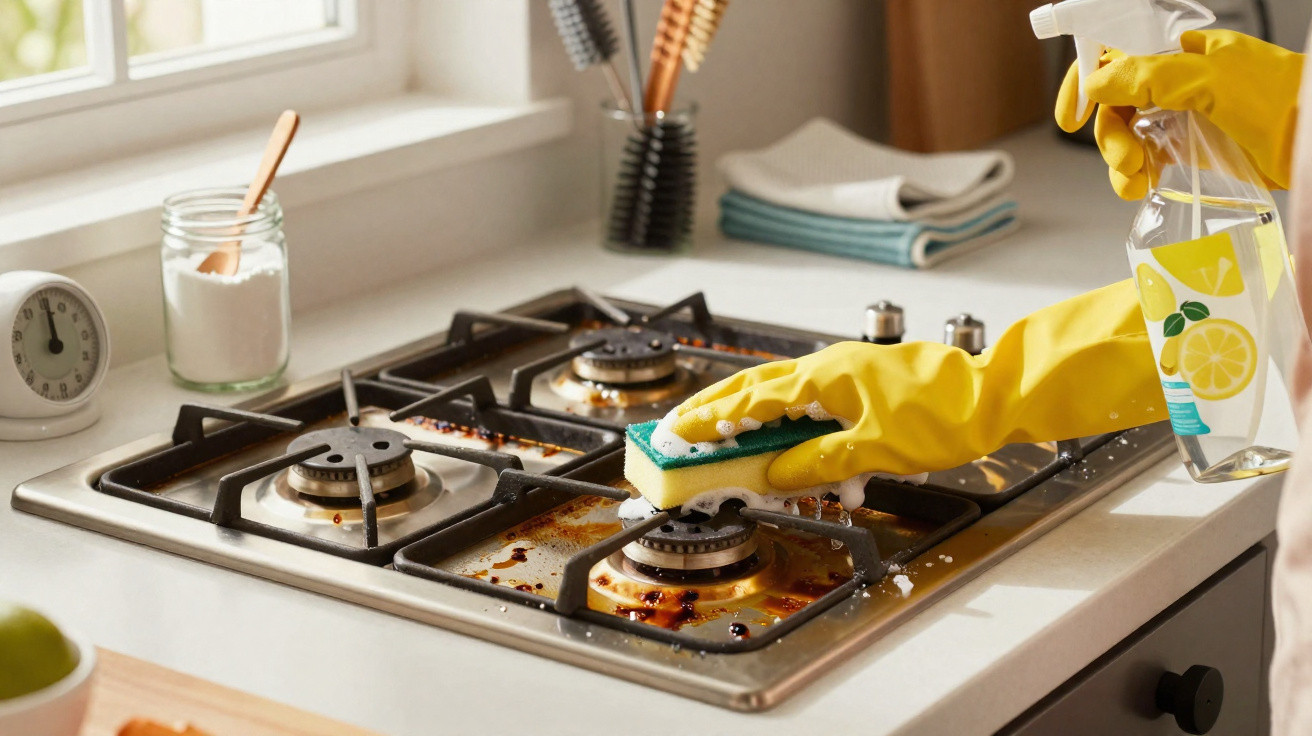
The unsuitable practice of reusing the same accessory for different jobs spreads micro-organisms around the home. Moving an item from the sink to clean the hob, floor or bathroom transfers harmful germs to areas where food is handled directly.
To safeguard the health of everyone in the household, each area of the home should have its own cleaning tools. Keeping separate items for plates, worktops and heavy-duty surfaces stops the circulation of infectious agents, ensuring a fully protected domestic routine.
Comments
No comments yet. Be the first to comment!
Leave a Comment