
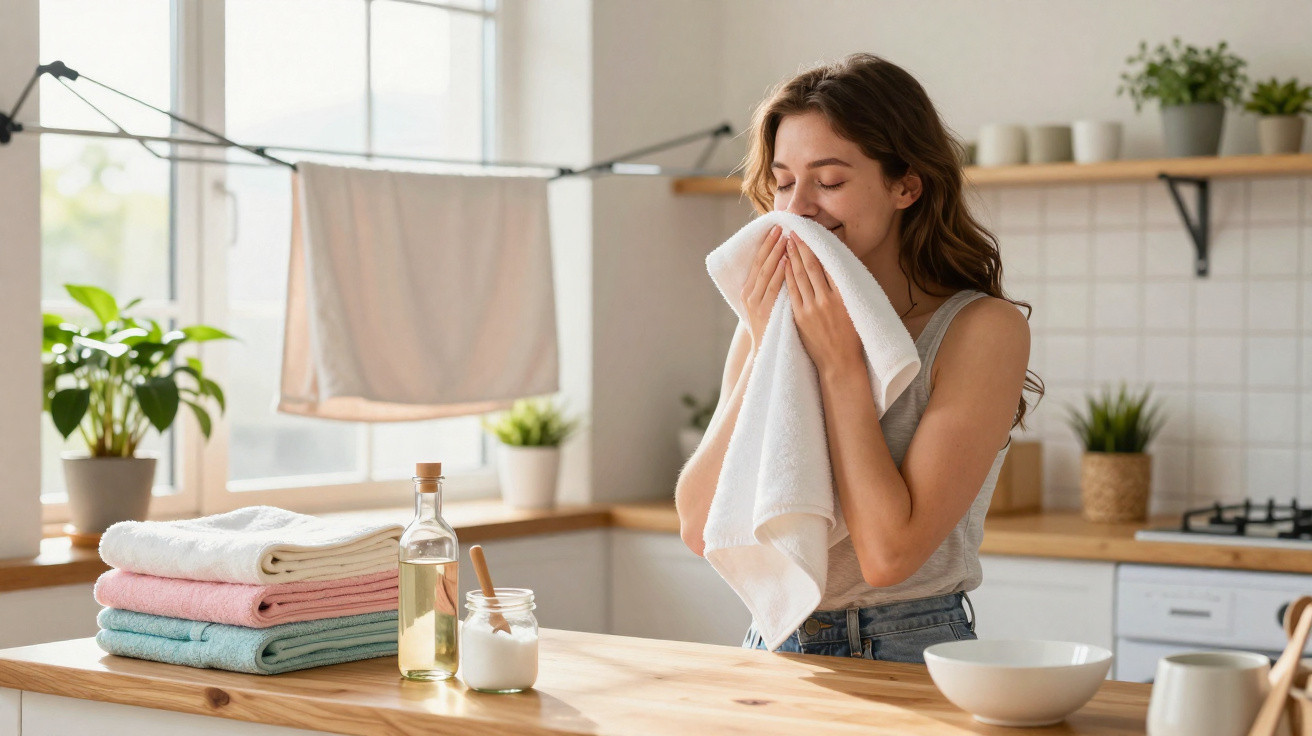
Finding that pleasant fresh feeling ruined by a persistent smell in your laundry after a wash cycle is extremely common. Cleaning products are often blamed unfairly, yet the real cause is the unseen growth of micro-organisms feeding on built-up residue and water that has not evaporated properly.
Why does a bath towel smell bad after washing?
An unpleasant odour develops in the fibres mainly when drying takes too long. If the fabric stays damp for an extended period, it creates ideal conditions for fungi and bacteria to multiply, producing that familiar musty smell.
Unnoticed build-up from fabric conditioner and detergent can also form a water-resistant layer that traps dead skin cells and body oils. This residue then becomes food for germs, so targeted methods are needed to restore the towels' original cleanliness.
- Too much product: Using excessive fabric conditioner leaves a waxy coating that traps bacteria deep within the fibres.
- Poor drying conditions: Enclosed spaces with little airflow prevent residual water from evaporating effectively.
- A contaminated washing machine: Over time, sludge and biofilm can collect inside the washing machine drum and transfer onto freshly washed laundry.
How does an unsuitable clothes airer affect moisture retention?
How fabrics are arranged for drying is crucial to preventing the dreaded sour smell. Hanging items too close together restricts air circulation and needlessly extends the time that moisture remains trapped in the material.
Choosing a well-ventilated spot with plenty of sunlight can make all the difference to successful household laundry. Natural warmth speeds up water evaporation and acts as a powerful sanitising agent against opportunistic micro-organisms.
To understand the right drying process more clearly and learn practical ways to organise your laundry area, it is worth watching the detailed guidance on Lia Moraes' YouTube channel:
Which methods remove musty smells for good?
Acidic homemade mixtures can be a highly effective way to break down the layer of grease and chemical residue lodged in absorbent fabrics. White distilled vinegar works directly to neutralise unpleasant odours without harming the structure of the items.
The secret of vinegar and bicarbonate of soda
Boost deep cleaning of the fibres
Replacing standard fabric conditioner with 240 ml of white vinegar in the appropriate dispenser compartment helps dissolve old chemical build-up. Vinegar breaks down the biofilm left by detergents, allowing water to penetrate the fabric and clean it properly.
Adding 15 ml of bicarbonate of soda directly to the drum makes the removal of body fatty acids more effective. This straightforward combination sanitises household linens and restores natural softness to rough fabrics.
Keeping up a preventive care routine ensures that household linens remain soft and pleasantly scented for everyday use. Taking the right steps in the laundry room prevents premature fibre wear and saves valuable resources over time:
- Run a monthly washing machine cleaning cycle using bleach.
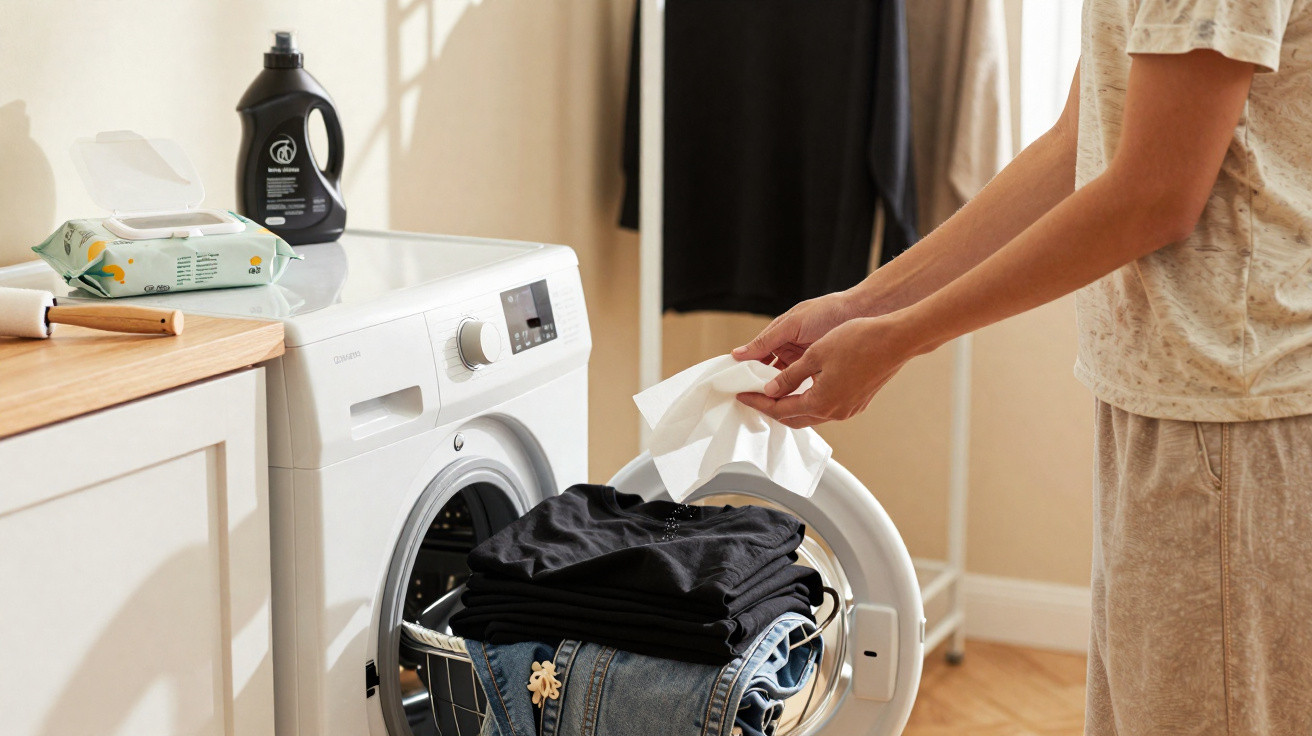
- Do not leave clean items forgotten inside the drum once the programme has ended.
- Hang items up immediately after the spin cycle finishes.
How can bacterial growth in fabrics be prevented?
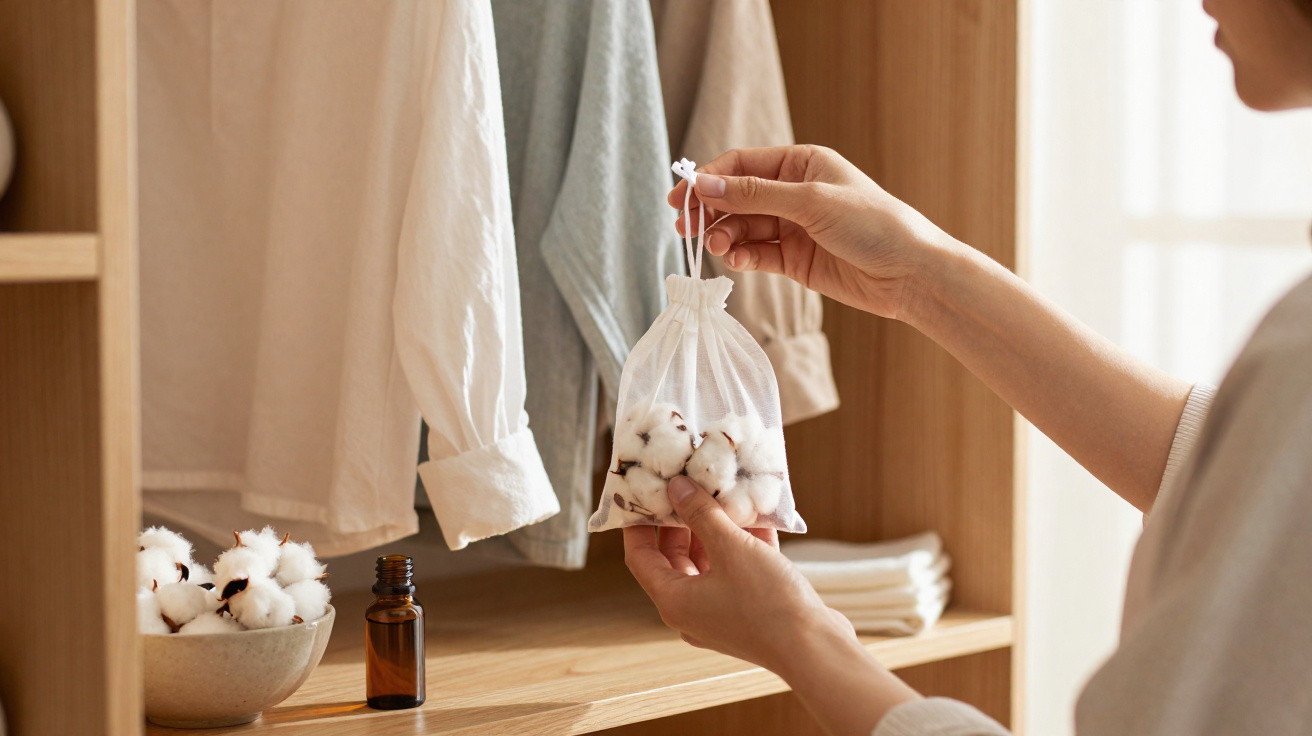
Prevention begins when items are put away in the cupboard: make sure all moisture has been removed completely. Storing household linens while they are still even slightly damp encourages unpleasant smells to return quickly and undoes all previous effort.
Simple habits that improve airflow in bathrooms also help preserve items between uses. Avoid leaving fabric folded up or bunched on hooks immediately after use, preventing sweat from building up through the following measures:
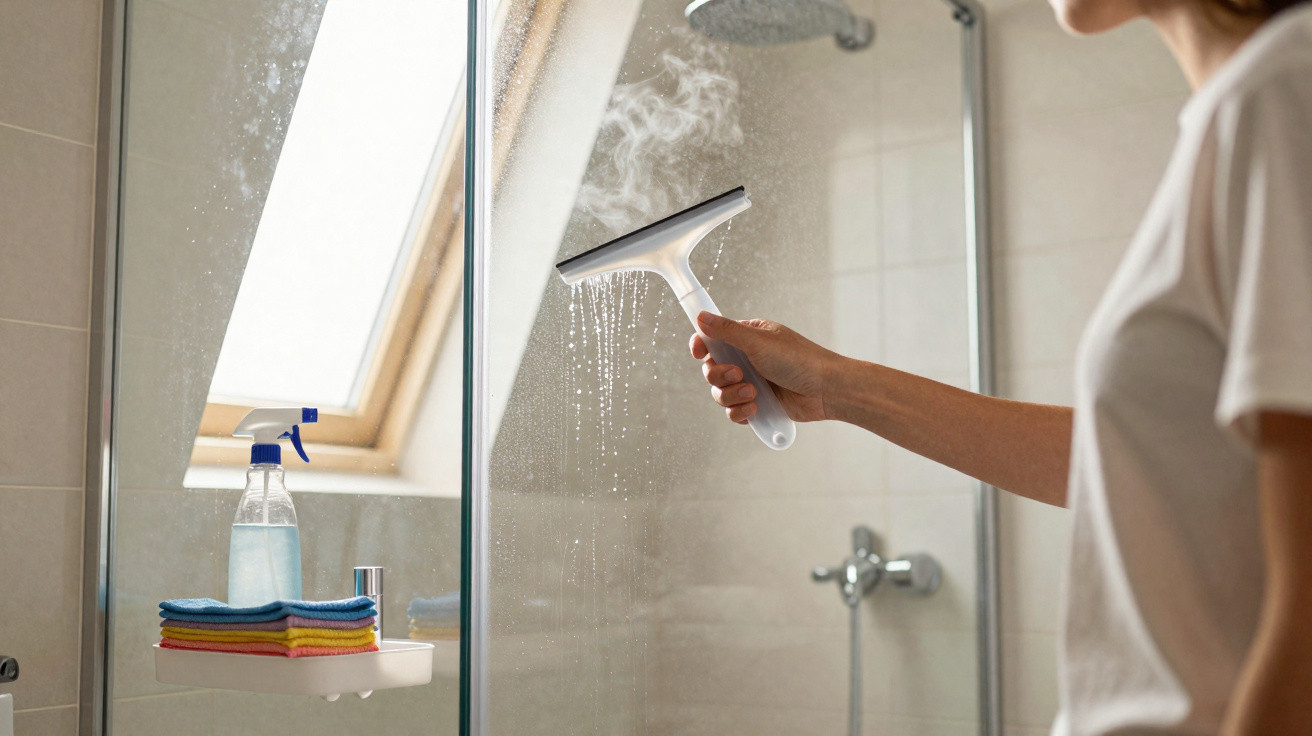
- Spread the item out fully in the shower enclosure as soon as you have finished bathing.
- Leave cupboard doors open from time to time to allow internal ventilation.
- Use anti-mould products in wardrobes during colder seasons.
What is the ideal routine for keeping household linens fresh?
Creating a regular washing schedule stops heavy dirt from becoming permanently embedded in cotton fibres. Replacing harsh chemical products with gentler, more natural options protects the fabric while maintaining its high original absorbency.
When you care for household linens by paying attention to drying and hygiene stages, post-bath comfort is assured every day. Small adjustments to daily habits create a healthier, more practical home routine that is free from unwanted odours.
Comments
No comments yet. Be the first to comment!
Leave a Comment