
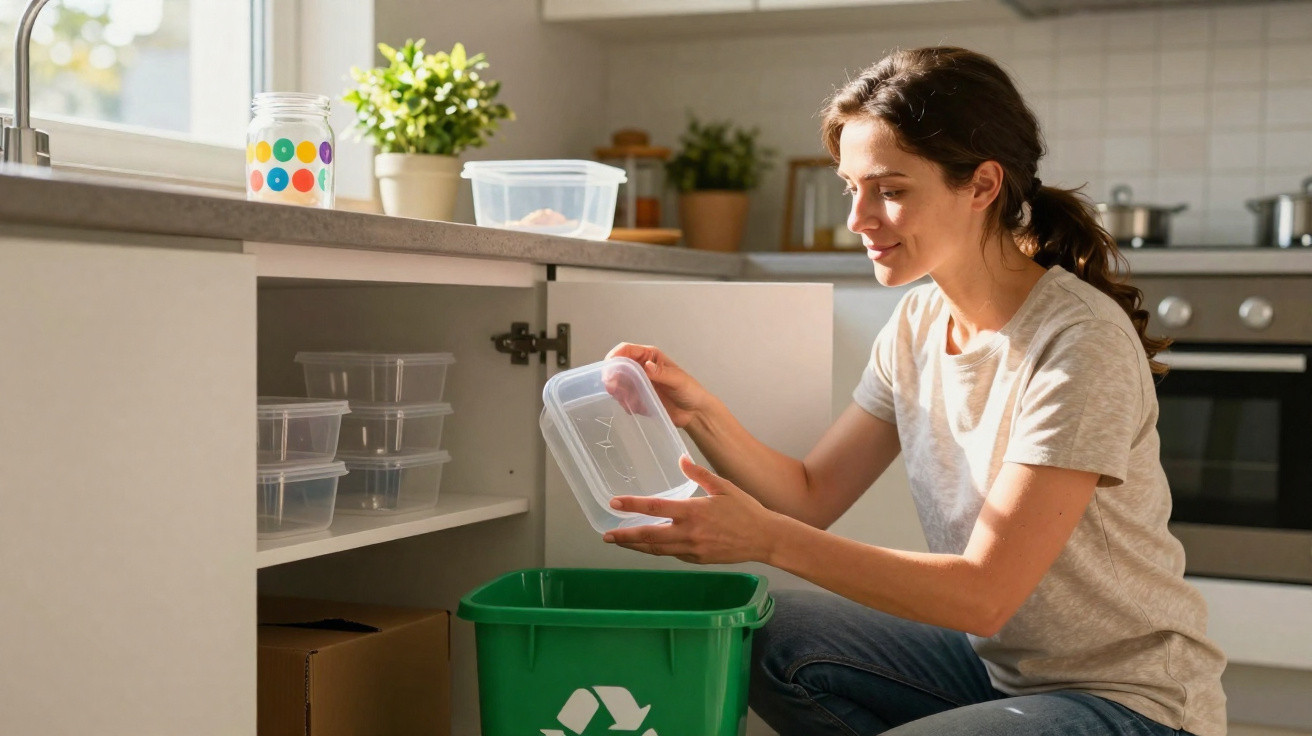
Keeping empty plastic containers and old boxes in the kitchen may seem like a harmless, everyday habit for many people. Yet when this behaviour becomes persistent, it can reveal deeper psychological traits linked to material attachment and our genuine need for continual household organisation.
Why do we keep so many empty containers at home?
The tendency to collect disposable containers is closely associated with an unconscious wish for prevention against future shortages. Many people keep these items because they sincerely believe they will have a practical use for them later, perhaps in the utility room.
This thought pattern creates a recurring cycle, filling cupboards with unnecessary plastic containers. Recognising these triggers is essential to understanding how our minds respond to organisation and everyday waste.
- Material attachment: An intense reluctance to part with ordinary household objects that have already lost their original purpose in the home.
- False sustainability: Defending excessive accumulation on environmental grounds, through the idea of future recycling that rarely takes place.
- Underlying anxiety: A persistent fear of needing a particular container and not having it immediately available.
How does letting go affect our mental health?
Breaking through the habit of storing boxes and plastic containers calls for a meaningful, conscious effort of emotional letting go. Psychology suggests that every package we keep represents an unfulfilled future promise, adding visual clutter to rooms.
Clearing away these hidden excesses can bring immediate psychological relief and create room for a lighter way of living. Releasing these small objects improves the way the household functions and reduces the stress caused by clutter.
What is the profile of someone who accumulates containers?
People who hold on to containers often display particular personality traits centred on excessive security. This conduct reflects a desire for complete control over their physical surroundings and the possibilities the future may bring.
Human Behaviour Analysis
The Mind of the Domestic Hoarder
The continuing habit of keeping disposable containers can conceal a deep search for emotional stability and reassurance in the face of modern life's uncertainties.
When examining this tendency towards excessive organisation, specialists observe that people assign exaggerated usefulness to objects in order to conceal everyday anxiety.
To better understand this mental dynamic, it is useful to consider some clear warning signs in domestic life. The factors below help distinguish responsible recycling from a concerning tendency towards irrational accumulation:
- Keeping stained, cracked containers or those without their matching lids.
- Becoming upset or irritated when somebody throws away plastic packaging.
- Having no genuine physical space left to store new kitchen utensils.
When does this habit become a real problem?
The boundary between healthy reuse and a harmful compulsion lies in the immediate practical value of the item being kept. When kitchen cupboards are overflowing, the functionality of the space is seriously undermined by useless packaging.
An inability to throw away torn boxes can indicate a more serious level of emotional reliance on objects. Critically assessing what truly has value prevents the family home from becoming a storehouse of clutter.
- Extreme difficulty moving around or using worktops.
- A build-up of dust and the spread of insects in overcrowded cupboards.
- Frequent arguments between household members because of excess rubbish.
How can accumulation be turned into real recycling?
Changing this behavioural pattern requires a profound shift in how we view consumption and responsible disposal. Setting firm criteria for deciding which containers are worth keeping helps preserve the harmony of the home.
Taking surplus items to clean recycling collection points clears the house while supporting genuine environmental protection. Letting go of these empty items benefits mental health and brings greater ease to your daily routine.
References: Why clutter stresses us out, with Dr Joseph Ferrari, PhD

Comments
No comments yet. Be the first to comment!
Leave a Comment