
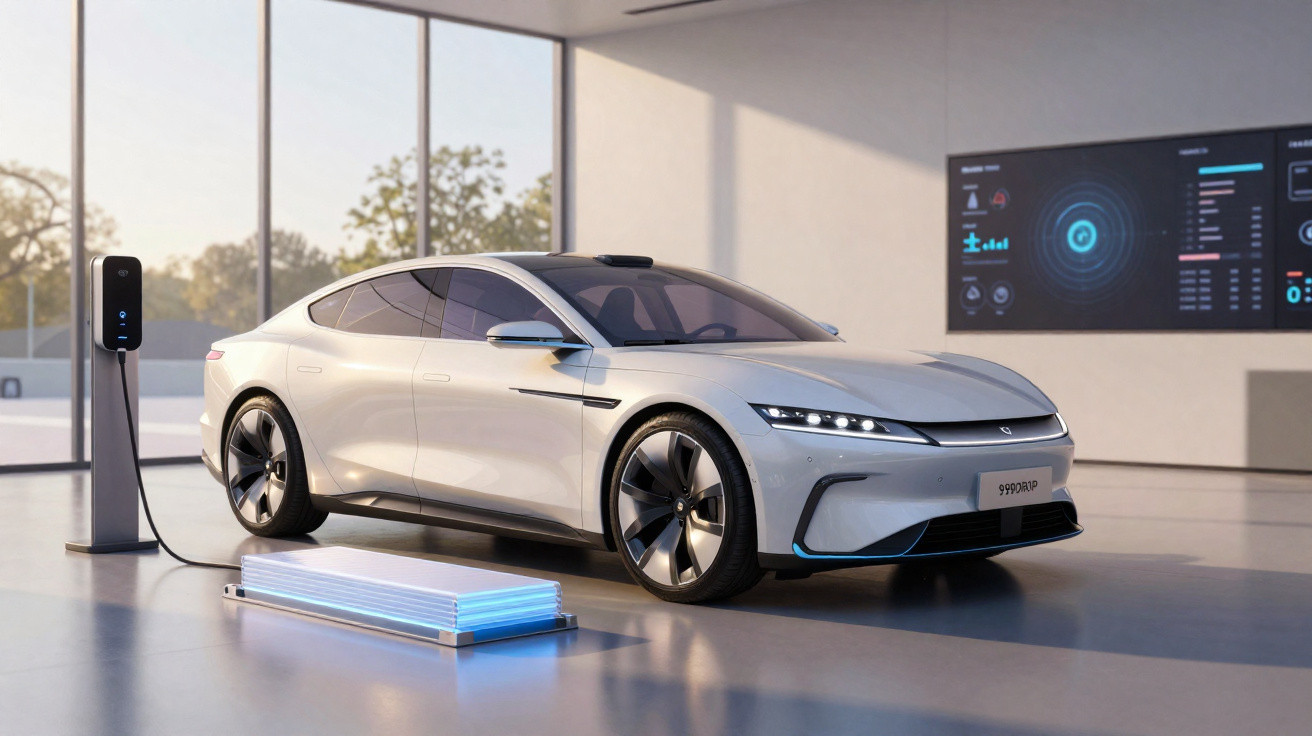
According to Rupert Way, Ziegler and Trancik, Bloomberg and Aviсenne Energy
Battery costs have fallen by 99% over the past three decades, according to data from Rupert Way, Ziegler and Trancik, Bloomberg and Aviсenne Energy.
In 2025, more than 20 million electric vehicles were sold worldwide, with some priced as low as $10,000. Such a prospect would have been impossible only two decades earlier.
The decline in battery costs
Batteries are now far more affordable. In 1991, lithium-ion battery cells cost roughly $9,200 per kilowatt-hour. By 2024, the price had dropped to $78 - a reduction of more than 99%.
For comparison, the battery cells in a typical electric vehicle now cost about $5,000. In 1991, identical cells would have cost almost $600,000. Since 1998, each doubling of cumulative global battery production has been accompanied by an approximate 19% fall in price.
From consumer electronics to electric vehicles
Initially, advances were driven by consumer electronics, including smartphones and laptops, before the technology became suitable for cars, buses and larger energy-storage systems. Energy density has also risen by more than three times since the 1990s, meaning batteries can now store substantially more energy per unit of volume.
“A battery costing half a million dollars could never transform the transport system. But a $5,000 battery can.”
OurWorldInData






Comments
No comments yet. Be the first to comment!
Leave a Comment