
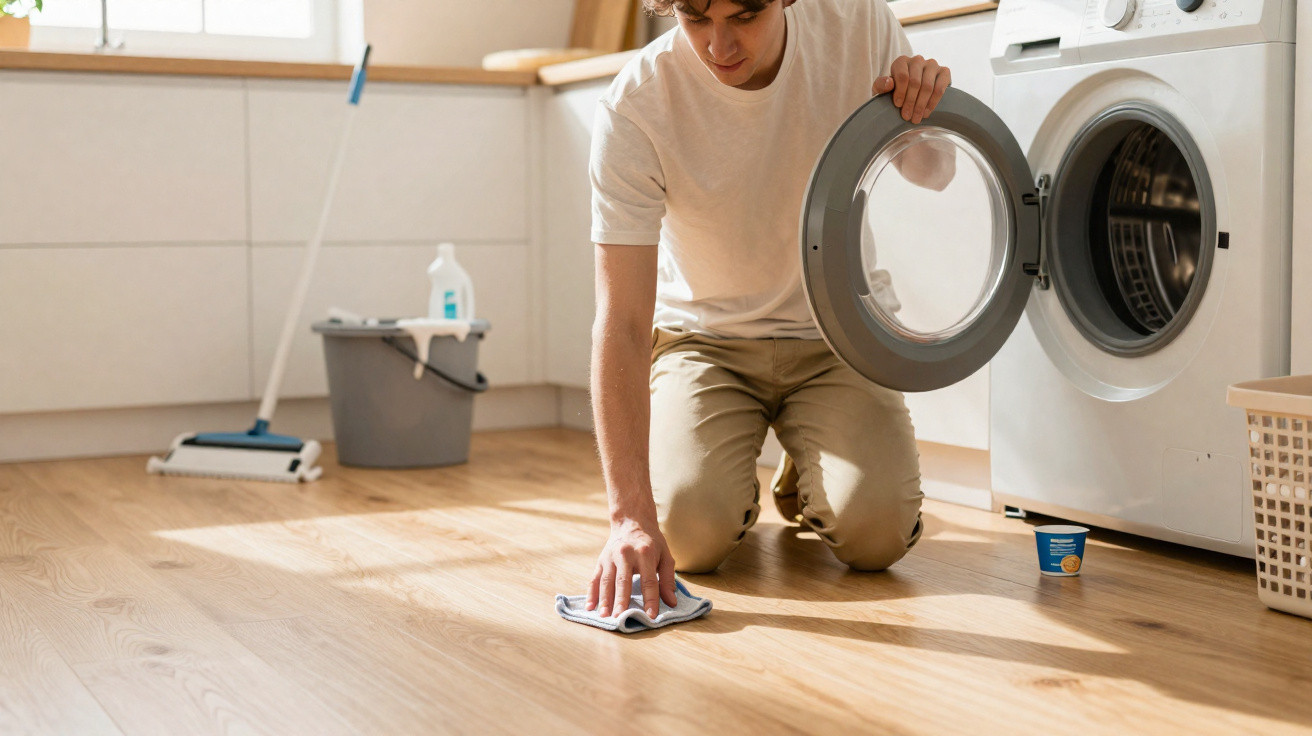
In many homes, the cleaning routine seems straightforward: a bucket full of water, plenty of soap and any old cloth. However, domestic cleaning specialists warn that this habit can lead to serious issues, especially for wooden floors and delicate surfaces. It can shorten the lifespan of household finishes, spread dirt and even encourage damp and mould in different areas of the home.
What is the most common mistake when cleaning floors?
The most common misconception is thinking that “the more water and soap you use, the cleaner it gets”. On wooden and laminate flooring, too much moisture can seep into gaps and along skirting boards, leading to cracks, swelling, stains, mould and, over time, even rotting floorboards.
When doing the laundry, adding too much detergent to the washing machine does not mean better hygiene. Excess product may not rinse away completely, leaving residue on fabrics, causing odours and skin irritation, and building up inside the machine. This then requires more maintenance and specialist cleaning.
Watch a video on the Almanaque SOS YouTube channel about the main mistakes made when using a washing machine and how to avoid them to protect your fabrics:
How can you prevent damage to floors and delicate surfaces during daily cleaning?
To avoid damage, specialists advise using a lightly dampened microfibre cloth rather than a soaking-wet one. Microfibre traps dirt particles with very little water, reduces the need for detergent and is gentler on delicate finishes such as wood, laminate and lacquered furniture.
Choosing the right product is equally important, as overly oily cleaners leave behind a greasy film that attracts more dust. For safer, more effective everyday cleaning, follow these practical guidelines:
- Use only a small amount of water, evenly distributed through the cloth.
- Use neutral detergent at the dose recommended by the manufacturer.
- Do not pour buckets of water directly onto floors, particularly wooden flooring.
- Dry off excess moisture immediately after cleaning with a dry cloth or by ventilating the room.
How can you keep your home clean with less water and soap?
An effective approach is to follow the idea of “a little every day” instead of carrying out occasional heavy-duty cleans. When splashes and marks are dealt with as soon as they appear, a simple damp microfibre cloth will usually do the job, without aggressive products or lengthy rinsing.
In the laundry, sorting clothes by fabric type and level of soiling helps avoid unnecessarily long cycles. Using the stated detergent dose, pre-treating small stains before putting garments in the machine and airing the area well after washing all help preserve both clothing and the appliance for longer.
Which organisation habits make laundry and cleaning easier?
A great deal of mess is blamed on “doing the laundry”, when in reality part of the issue is simply clothes and other items left lying around. Keeping laundry baskets in convenient places, putting garments away soon after use and organising cupboards reduce the apparent workload and make cleaning much quicker.
Ending the day with fewer things on the floor makes it easier to give surfaces a quick wipe without having to move furniture or piles of clothes. This ongoing care reduces the temptation to overuse water and soap to make up for built-up dirt, extending the lifespan of floors, skirting boards, furniture and fabrics while making the home look lighter with less effort.

Comments
No comments yet. Be the first to comment!
Leave a Comment