
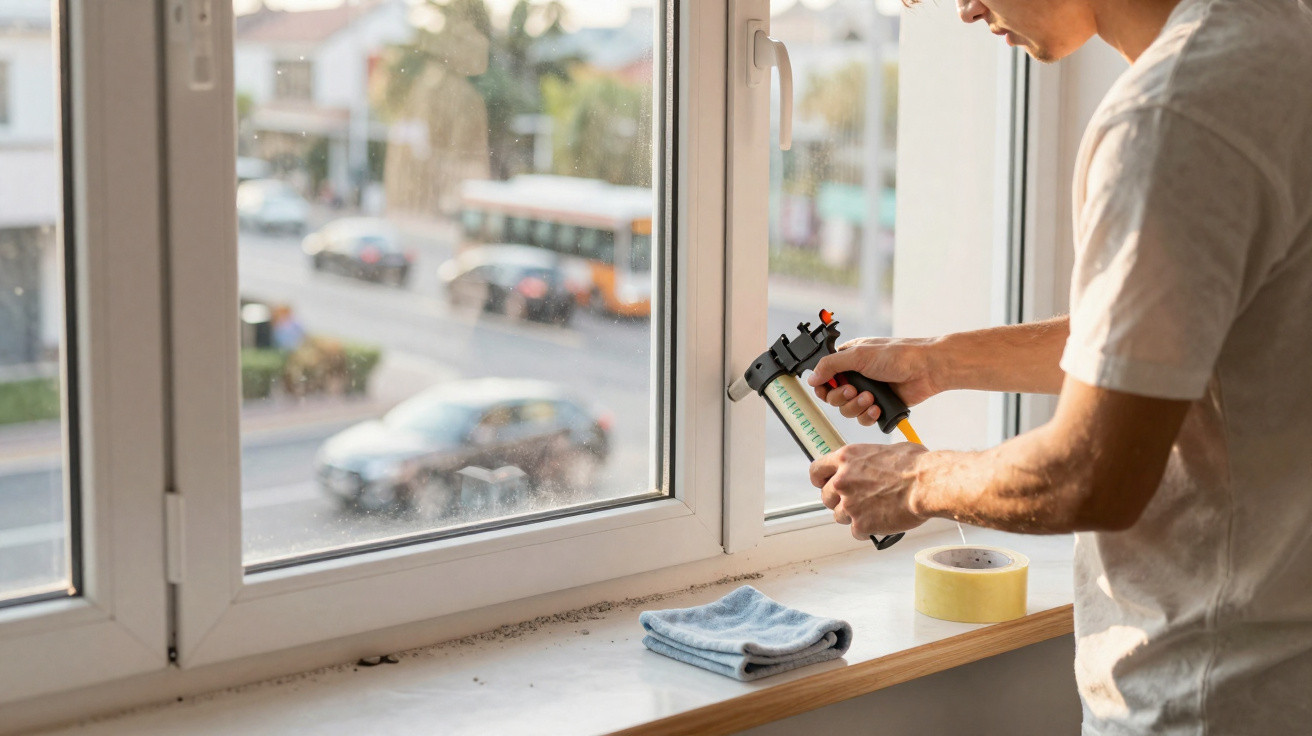
Keeping dust out of the home starts with the gaps that almost everyone overlooks. Poorly sealed doors, windows and skirting boards allow draughts and outdoor particles inside, increasing daily dirt and creating more need for cleaning and maintenance.
Why does dust get in even when the home is closed?
Dust consists of tiny solid particles from different sources and with varied compositions. They remain airborne before settling on surfaces. Inside the home, it may include fibres and particles carried in by outdoor air.
When doors and windows have visible gaps, air movement easily brings this dust indoors. In homes near main roads, building works or dry plots of land, caulking can reduce the flow of dirt and wind.
The most common entry points are usually:
- Doors: gaps along the bottom let in draughts, dust and outdoor dirt.
- Windows: loose frames allow particles to enter continuously.
- Skirting boards: small openings collect dirt and make cleaning harder.
- Wind: air currents carry dust onto furniture and floors.
- Routine: less incoming dust makes everyday cleaning easier.
How does DIY caulking help with daily cleaning?
DIY caulking creates a straightforward barrier between the inside of the home and the street. It will not remove all dust, but it reduces the amount entering through small gaps, extending the time between cleans and improving the feeling of care.
Depending on the area, you can use self-adhesive rubber seals, suitable silicone sealant, draught-excluder tape or acrylic filler. The key is to clean the surface first, measure the gap and apply the product without preventing opening or closing.
Where should you look for gaps before applying a seal?
Before fitting any seal, check where dust appears after a windy day. Run your hand near skirting boards, door frames and window frames, as slight draughts reveal weak spots needing adjustment and protection.
Simple sealing: the trick is in the small gaps
Narrow gaps around doors and windows may seem harmless, yet they allow dust in every day.
Once these areas are sealed, the home receives less direct wind and less dirt builds up on furniture and floors.
After finding the gaps, make sure the surface is dry, clean and free from grease. This helps tape or filler adhere properly, preventing the seal from coming loose quickly and requiring the job to be repeated within a few days.
Before starting, check the following areas:
- Gaps beneath external doors.
- Looseness along the sides of windows and top-hinged windows.
- Openings between the skirting board, wall and floor.
- Areas where the wind enters most strongly.
Why do homes on busy streets collect more dust?
On busy streets, dust comes in alongside draughts, soot and particles stirred up by vehicles. For this reason, sealing doors and windows is particularly useful in living rooms, bedrooms and kitchens facing the street and the pavement.
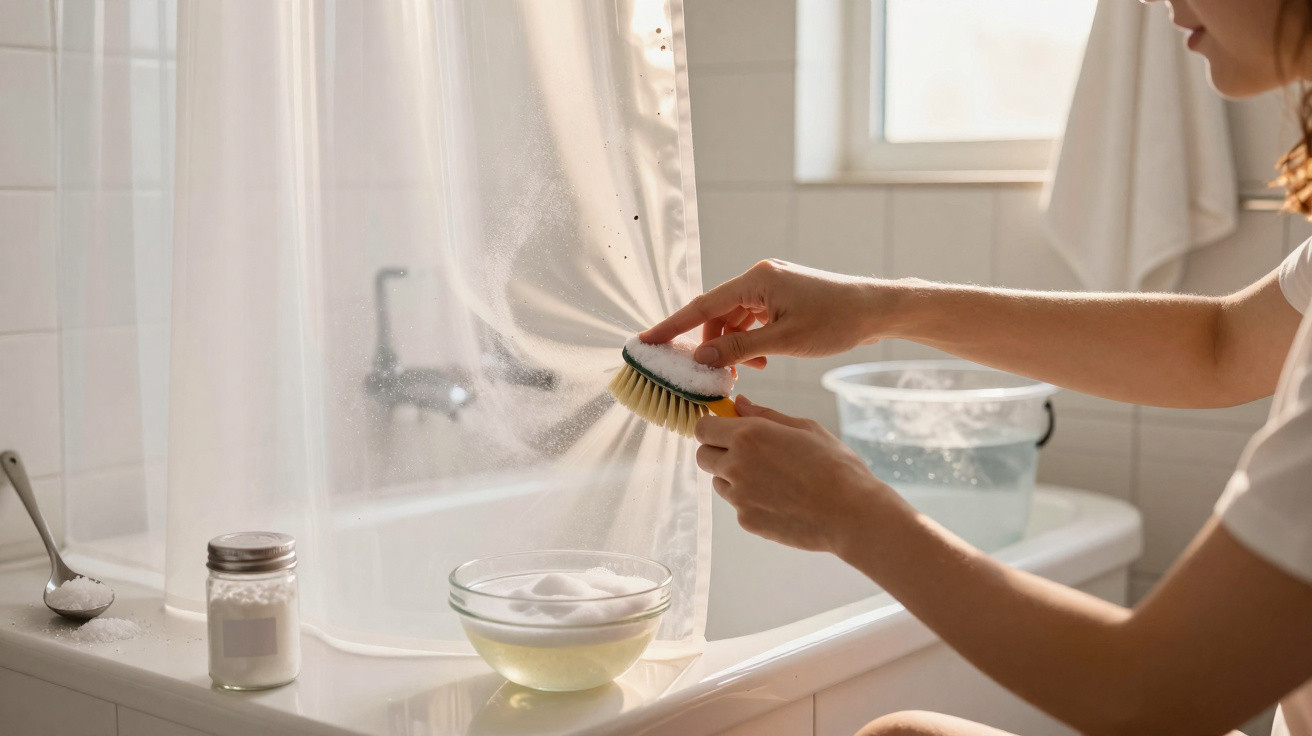
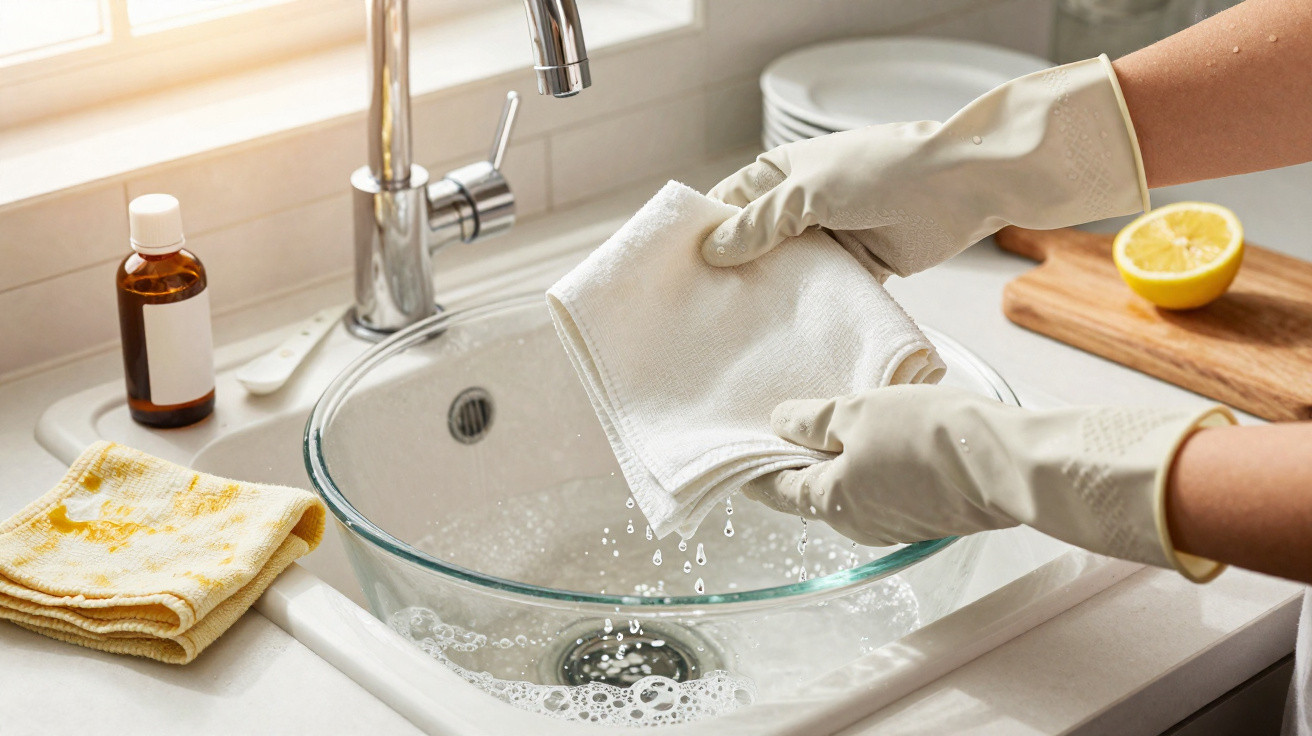
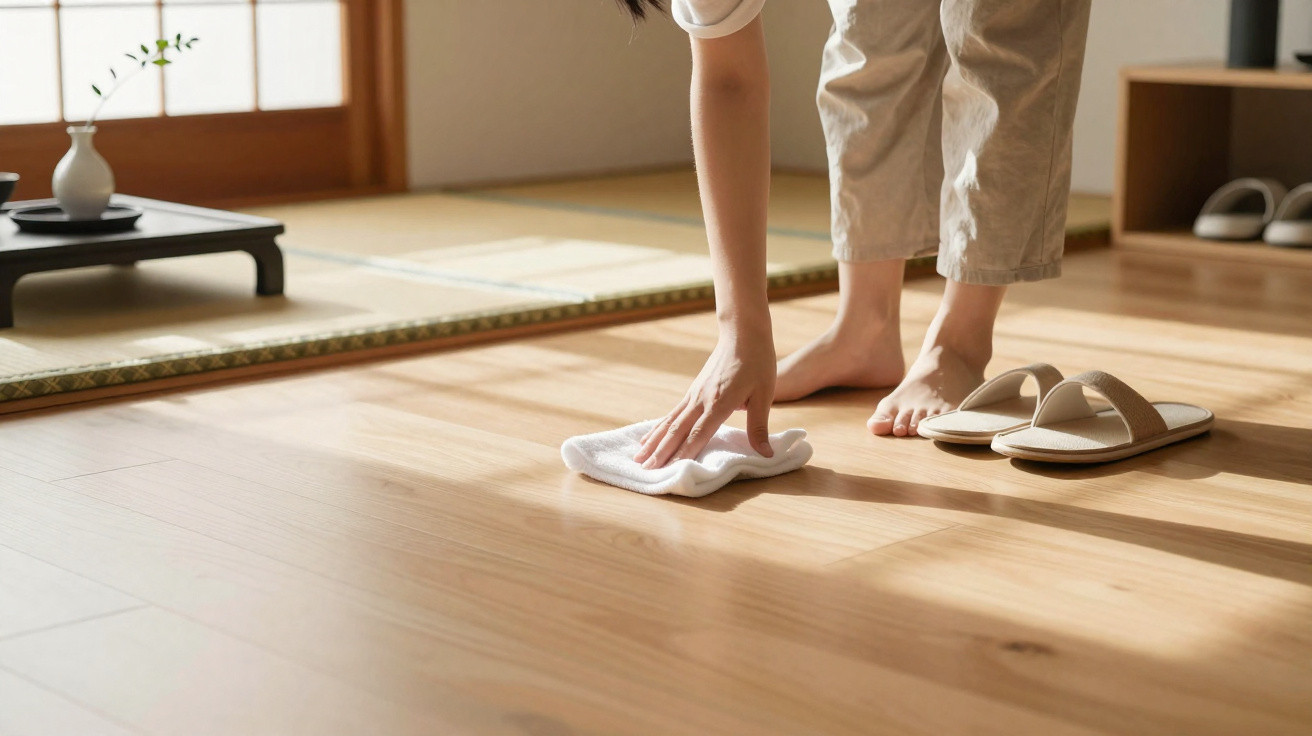
Even in a sealed home, surfaces still need cleaning, cloths need washing and rugs must be kept under control. The difference is that less dust enters at once, making the routine lighter, quicker and more consistent during the week.
A few habits strengthen the effect of sealing:
- Use a doormat at the entrance to reduce dirt from footwear.
- Clean window tracks before applying tape.
- Avoid leaving gaps open on very windy days.
- Inspect the seal when it starts to come loose.
How can this trick become part of home maintenance?
The idea of DIY caulking on doors and windows works best when it becomes part of preventive home maintenance. Small repairs stop dust from building up every day and make the space more organised and comfortable.
Ultimately, the simple trick is to inspect gaps before blaming cleaning alone. With properly applied seals, controlled ventilation and regular cleaning, the home receives less outdoor dust and stays clean for longer.


Comments
No comments yet. Be the first to comment!
Leave a Comment