
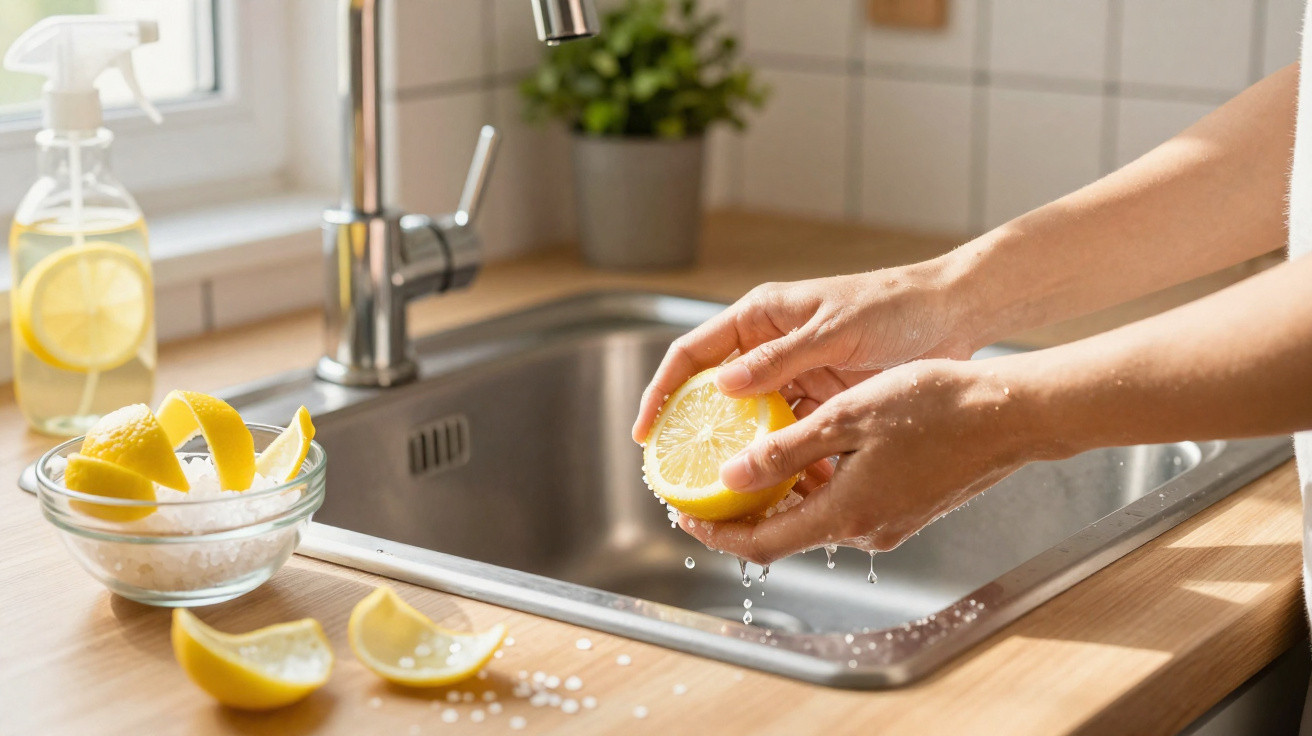
Combining lemon peel with coarse salt has increasingly found a place in household cleaning routines as a straightforward, inexpensive and surprisingly effective way to tackle grease and stubborn grime. It also makes better use of a waste product that would usually be thrown away, while reducing reliance on ready-made chemical cleaners.
How do you prepare a lemon peel and coarse salt cleaning mixture?
For effective results, use the peel from 2 to 3 medium lemons for every half cup of coarse salt. The peels should be thoroughly washed first to remove any possible pesticide residue and dirt. This ratio produces a firm cleaning “scrub”, which can be adjusted with a small amount of water or white vinegar purely to dampen it.
There are two quick, uncomplicated preparation methods, mainly differing in resting time and fragrance strength:
- Immediate mixture: Cut the peels into strips or smaller pieces, place them in a clean jar with the coarse salt, and stir until the salt begins to absorb moisture from the natural oils.
- Quick maceration: Lightly crush the peels with a pestle or spoon to release more oil, then combine them with the salt and leave the mixture in a sealed jar for a few hours.
Watch the video on the YouTube channel Marisa Romeiro | Emagrecimento Saudavel, which covers practical ways to use citrus peels for heavy-duty household cleaning and degreasing.
What is lemon peel with coarse salt used for in household cleaning?
This combination works through both the abrasive action of the salt and the acidity of the lemon, helping to loosen stuck-on grease, food residue and lingering odours. In many homes, it is used as an occasional extra treatment alongside washing-up liquid or vinegar, rather than as the sole cleaning product.
Common household uses include hobs, grills, pans, baking trays, stainless-steel sinks and chopping boards, particularly where there are difficult crusts or strong garlic, onion or fish smells. In these situations, the citrus scent also gives the kitchen an immediate feeling of freshness.
Which surfaces can be cleaned more safely with lemon peel and coarse salt?
Although it is natural, this mixture is acidic and abrasive, so it can scratch or stain sensitive surfaces if applied carelessly. It is therefore always advisable to test it first on an inconspicuous area and rub gently while observing how the material reacts.
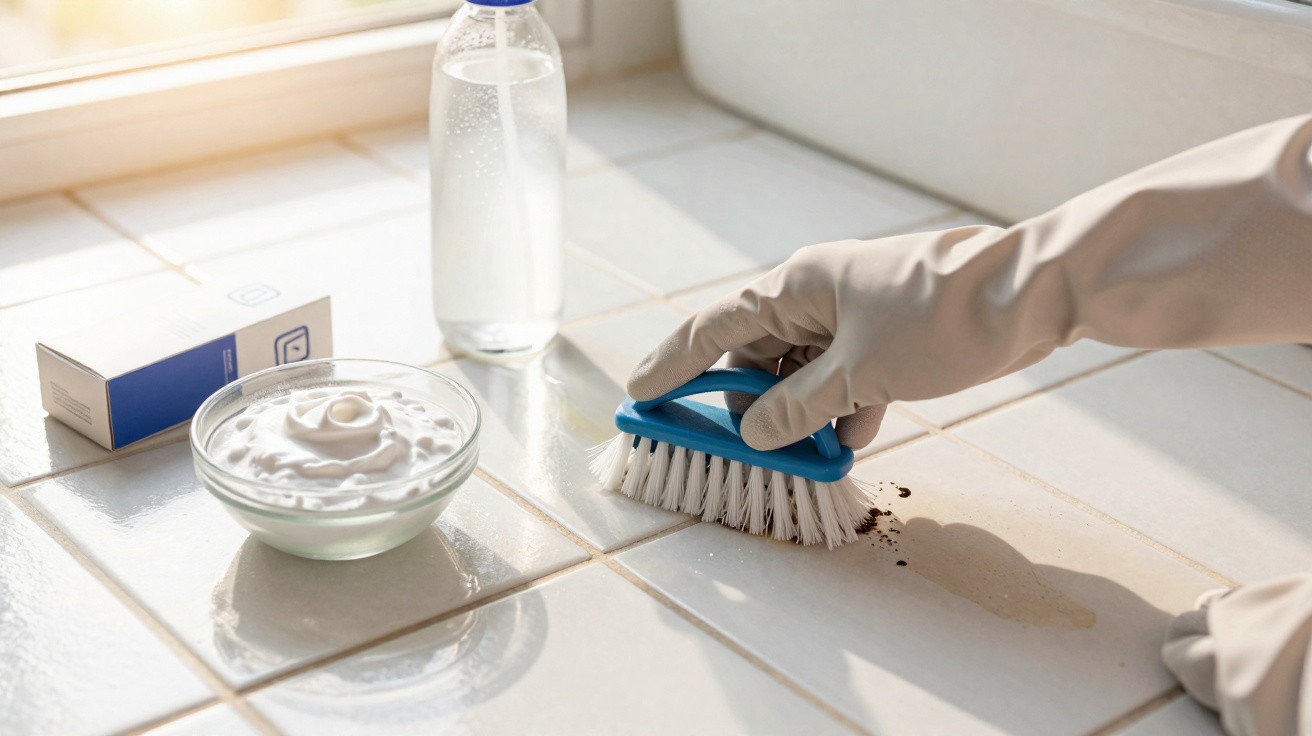
It generally performs best on durable metals, stainless steel, ceramic, porcelain tiles and the toughened glass of a hob, provided there is no delicate non-stick coating. On varnished wood, laminate flooring, certain types of marble and non-stick pans, however, it should be used very sparingly or replaced with gentler alternatives.
What are the benefits and limitations of using lemon peel with coarse salt?
One of its most appealing advantages is making full use of food, as the peel is given a new purpose before disposal, reducing waste and packaging from industrial cleaning products. It is also a versatile mixture: it can be used drier for more intense abrasive action or lightly dampened for intermediate cleaning tasks.
On the other hand, it does not replace disinfectants in situations requiring strict control of microorganisms, nor is it suitable for daily use on delicate surfaces, as it may cause wear and reduce shine. People with sensitive skin should also wear gloves to avoid irritation caused by prolonged contact with lemon and salt while cleaning.




Comments
No comments yet. Be the first to comment!
Leave a Comment