
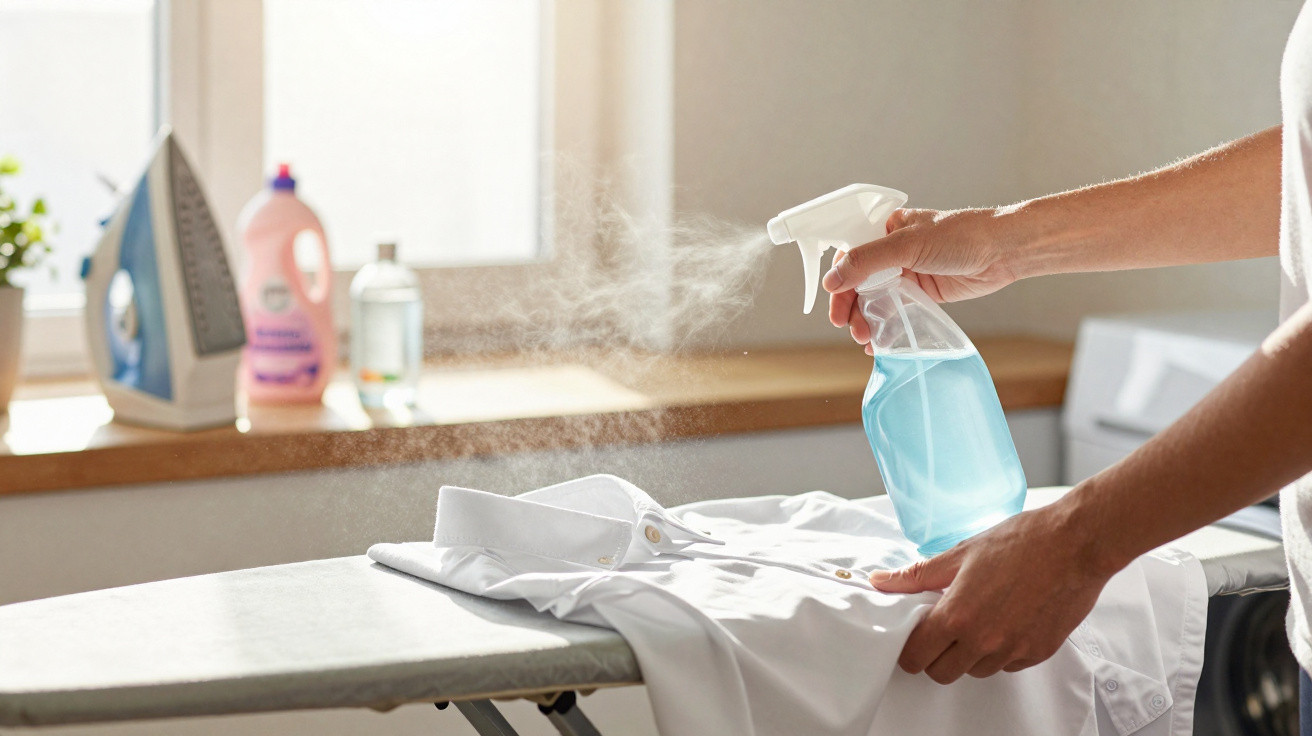
Mixing fabric softener with alcohol is a household trick primarily used to make a fragranced spray for fabrics and rooms. The fabric softener provides the distinctive scent of freshly washed laundry, while the alcohol evaporates quickly and helps distribute the fragrance. This combination is also found in homemade recipes intended to make garment care easier, but it requires caution because alcohol is flammable.
What is the purpose of mixing fabric softener with alcohol?
This mixture is commonly used as a homemade freshener for curtains, bedding, sofas and other suitable fabrics. Alcohol acts as a fast-evaporating liquid, whereas the scented ingredients in the fabric softener remain on the surface for longer, leaving the familiar smell of clean laundry.
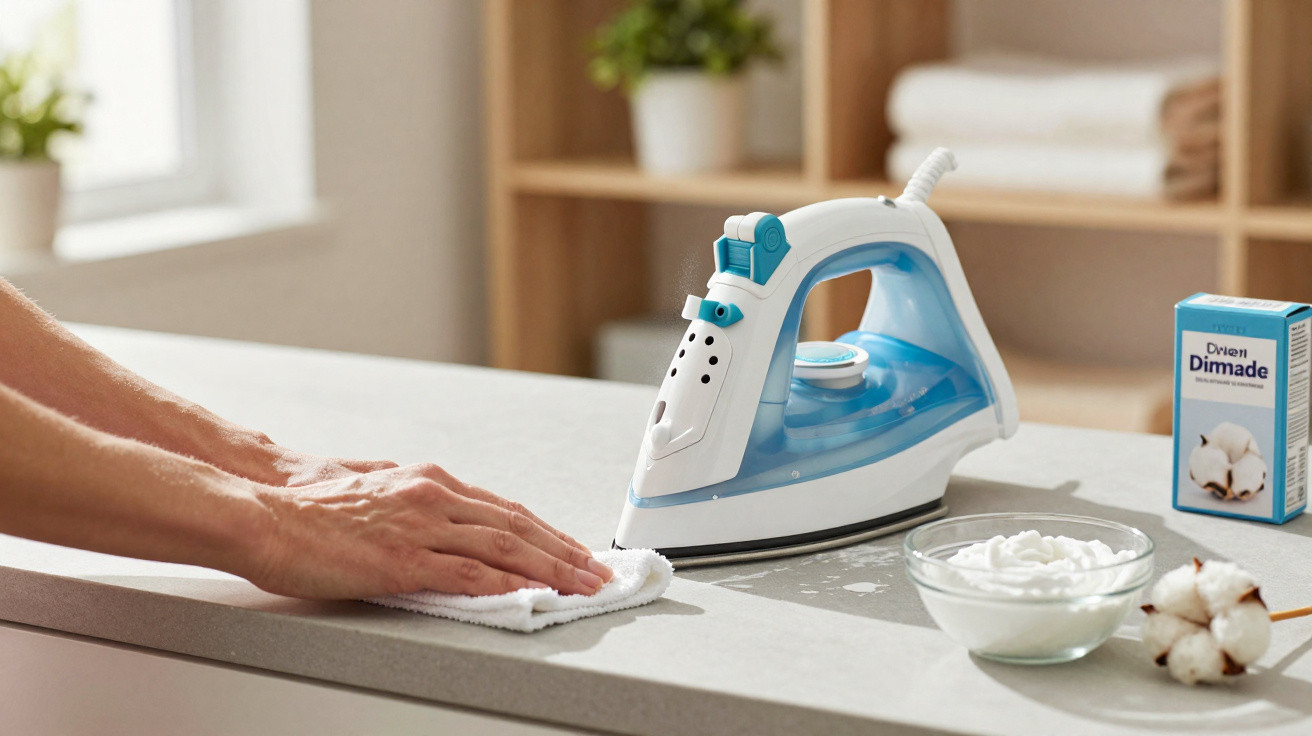
Another popular use is to lightly spray garments before putting them away or ironing them. However, the product must not be applied near a hot iron or while the iron is switched on. It is also worth remembering that fabric softeners are originally formulated for use in the wash, so the homemade spray should first be tested on an inconspicuous area of the fabric.
- Freshen curtains and bedding;
- Leave a clean-laundry scent on fabrics;
- Temporarily revive the fragrance of stored garments;
- Help care for fabrics before ironing, provided the alcohol has evaporated completely.
Why does alcohol help distribute the fragrance?
Alcohol evaporates far more quickly than water under normal conditions. In a fragranced solution, this quality enables the sprayed liquid to dry fast and encourages the release of the molecules responsible for its scent. This is why it is often used in fragrances and air fresheners, although the stability of the mixture depends on the ingredients in the fabric softener.
Does the spray really help when ironing clothes?
A light mist can dampen the fibres and make some fabrics easier to smooth, particularly cotton and garments that have been folded for a long time. Fabric softener also contains agents that reduce friction between fibres during its usual use, which helps explain why homemade recipes of this kind have become popular.
That does not mean garments should be soaked or that the solution should be sprayed while the iron is hot. To minimise risks, apply it with the garment well away from any heat source, then allow enough time for the alcohol to evaporate fully before ironing. Delicate, water-repellent or specially finished fabrics may stain or react poorly to the mixture.
- Spray only a fine mist onto suitable fabrics;
- Test it on a hidden area of the garment;
- Wait for the liquid to dry before bringing the iron near it;
- Do not apply it to the iron, a hot ironing board, or near sockets and flames.
What precautions are needed because of flammability?
The main concern is precisely the presence of alcohol. While liquid product remains or concentrated vapour is present in the room, the mixture should be kept away from candles, cookers, cigarettes, heaters, hairdryers and a hot iron. The bottle should also be kept closed, labelled and stored out of children’s reach in a well-ventilated place away from ignition sources.
- Do not spray near flames or hot surfaces;
- Do not use the solution while smoking;
- Avoid applying large amounts in enclosed spaces;
- Keep the container away from heat and direct sunlight;
- Never combine the solution with bleach or other cleaning products.
Why does the clean-laundry scent last on fabrics?
Fabric softener contains fragrances designed to remain partly attached to fibres after washing. When a small amount is used on a suitable fabric, some of these aromatic compounds can stay on the surface even after the alcohol has evaporated. This contrast between alcohol’s rapid evaporation and the fragrance’s longer-lasting presence creates the impression of a freshly cleaned room.
Mixing fabric softener with alcohol therefore works mainly as a fragrancing solution, rather than as a disinfectant or replacement for washing. The safest result comes from using it sparingly, ensuring good ventilation and keeping it away from every heat source, so the fragrance is retained without turning a simple laundry trick into a fire risk or causing damage to fabrics.

Comments
No comments yet. Be the first to comment!
Leave a Comment