
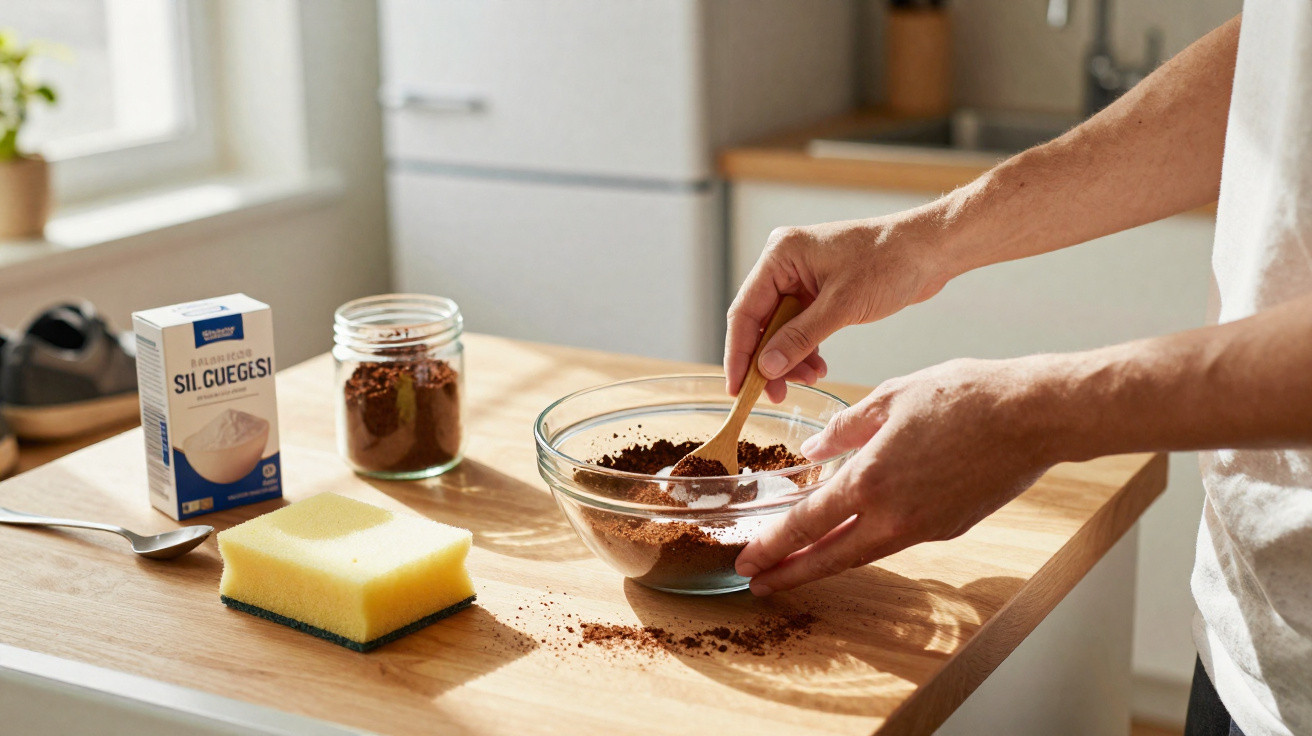
What would otherwise end up as filter waste can be remarkably effective when combined with ordinary baking soda (bicarbonate of soda, sodium bicarbonate). The blend of used coffee grounds and baking soda is currently gaining traction in household groups and on social media – not as a miracle cure, but as a surprisingly useful everyday aid.
Why coffee grounds and baking soda work so well together
Making coffee inevitably leaves coffee grounds behind, which would usually go into the food-waste bin. Yet they have several qualities that are useful around the home: they are slightly gritty, absorb odours and still contain traces of oils and acids. Baking soda, meanwhile, helps neutralise odours and is mildly alkaline.
“Combining the texture of coffee grounds with the neutralising power of baking soda creates a simple, inexpensive multi-purpose product for many areas of the home.”
In everyday use, this creates a cleaning and care product that offers several benefits:
- makes use of a leftover material already available
- reduces spending on specialist cleaners
- avoids harsh chemicals
- can be prepared in just a few minutes
This combination of money-saving potential and sustainability is precisely what makes the tip so appealing – particularly at a time of rising prices, when many households are watching every expense more closely.
Typical household uses
The mixture is not suitable for everything, but it can be useful in a surprisingly wide range of situations. Here are its key uses:
Neutralising odours – from the fridge to trainers
Coffee grounds retain a faint coffee scent themselves, while also absorbing other odours. Baking soda noticeably boosts this effect. Together, they work as a small, discreet odour filter.
Popular places to use it include:
- Fridge: Place a shallow dish of dried coffee grounds mixed with a little baking soda in the back corner. Replace it every one to two weeks.
- Bin: Sprinkle a thin layer of the dry mixture into the bottom of a clean bin, or put it inside in a tea-filter bag.
- Shoes: Fill an old sock or coffee filter, tie it shut and leave it inside the shoe overnight. Avoid contact with light-coloured leather, as coffee may cause slight staining.
“Especially in small flats, the mixture helps to quietly reduce unpleasant odours in the background without creating clouds of fragrance.”
A gentle abrasive cleaner for the kitchen and bathroom
The fine texture of the coffee grounds acts as a mild abrasive, while baking soda helps loosen grease and light build-up. Combined, they form a paste that works well on many durable surfaces.
Typical applications include:
- stainless-steel and metal sinks
- the inside of pots without delicate coatings
- baking trays with light residue
- durable kitchen tiles
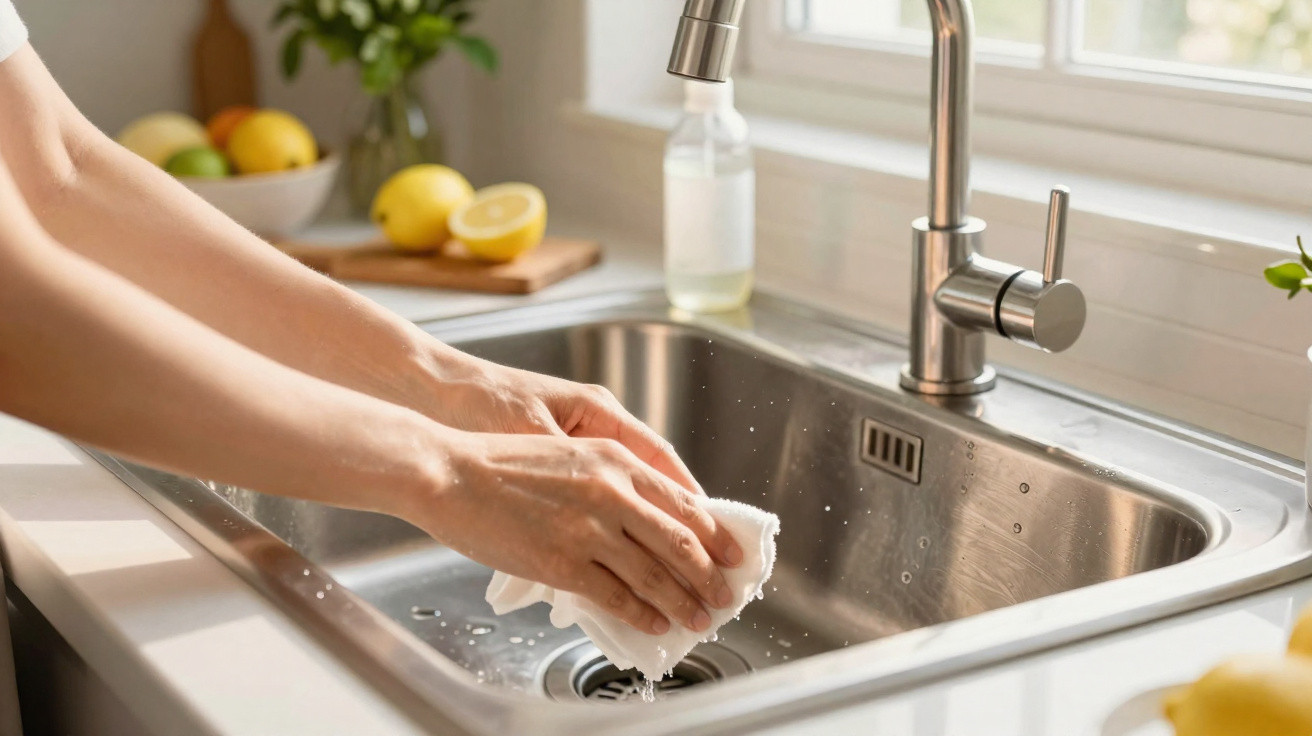
Moisten the mixture slightly, rub it in using circular motions, then rinse thoroughly with water. This can make coffee and tea rings, for example, as well as light grease deposits, much easier to remove.
An exfoliant for hands and body – with limitations
Many people already use coffee grounds as a body exfoliant. Mixing them with baking soda changes the effect slightly: the exfoliating action remains, but the blend becomes a little milder because baking soda balances acids.
It can be particularly practical:
- after gardening, to lift soil from hands
- for heavily soiled hands after kitchen or workshop tasks
- for rough foot and heel care
The mixture is only suitable to a limited extent for sensitive facial skin. On very sensitive or dry skin, in particular, it may be too abrasive. Those affected should first test it on a small area and preferably choose gentler products instead.
Deterring unwelcome visitors – with limited effectiveness
In many household groups, users swear that the mixture keeps ants and other small crawling insects away. This effect has not been conclusively proven, however, and experiences vary widely.
Anyone wishing to try it can sprinkle a thin line of the dry blend by patio doors, on window sills or at transitions to the terrace. Important: make sure pets and small children do not ingest the powder, and remove it again after a short time.
How to prepare the coffee grounds and baking soda mixture correctly
You need just two ingredients for the basic blend:
- used coffee grounds, preferably dry
- baking soda (household bicarbonate of soda or baking soda)
Proceed as follows:
- Dry the coffee grounds: After brewing, spread them on a plate or baking parchment and allow them to dry in the air until no moisture can be felt. This helps prevent mould.
- Mix: Stir together around two to three parts coffee grounds with one part baking soda until the ingredients appear evenly distributed.
- Store: Transfer the mixture to a lidded jar or tightly sealed container. This helps it remain effective for longer.
“The drier the coffee grounds are when stored, the longer the mixture remains usable and free from mould.”
For cleaning purposes, add a small amount of water before use until it forms a thicker paste. For neutralising odours or using as a shoe freshener, it is better to keep the mixture dry.
Important points before using it for the first time
Despite its advantages, the mixture is not appropriate for every surface or every type of skin. Keep a few points in mind before getting started.
Take care with delicate materials
Because of its colour, coffee grounds can leave marks that may be difficult to remove from some materials. Baking soda may also slightly roughen surfaces. Therefore:
- Always test it first in an inconspicuous area.
- Do not use it on marble, natural stone, unvarnished wood or very glossy plastic surfaces.
- After cleaning, always rinse thoroughly with water and wipe dry.
Use it only sparingly in the toilet or down the drain as well. Larger amounts of damp coffee grounds can cause deposits to build up over time.
Skin tolerance and allergies
Even though the ingredients seem simple, every person's skin reacts differently. Anyone prone to irritation or living with eczema should take particular care.
| Use | Advice |
|---|---|
| Hands | Usually well tolerated; use hand cream afterwards |
| Body | Apply only to healthy skin, not to freshly shaved areas |
| Face | Use only very carefully and in diluted form; specialist products are preferable |
Anyone who notices redness, burning or severe tightness after use should wash the mixture off immediately with plenty of water and avoid it in future.
Why this trick is becoming so popular now
The trend for using coffee grounds aligns with several developments at once: people are shopping more consciously, paying greater attention to reducing waste and looking for alternatives to harsh cleaners. On social networks, photos and short videos show users sharing their ideas – from an improvised room freshener to a cleaning paste for hob surfaces.
There is also a psychological effect: turning an apparent waste product into something useful often makes people feel slightly less dependent on supermarket shelves and expensive branded cleaners. The way people view their own kitchen changes when leftovers become practical household aids.
The chemistry behind baking soda and coffee grounds
Chemically, baking soda is sodium bicarbonate. It reduces odours because it binds many acids, partly neutralising the substances that carry smells. This is also why it is often found in baking powder and odour-absorbing shoe products.
Coffee grounds still contain traces of coffee oils and mildly acidic components. Their texture provides the exfoliating and scrubbing effect. Together, the ingredients create a substance that lifts dirt, softens the effect of light acids and simultaneously absorbs odorous compounds.
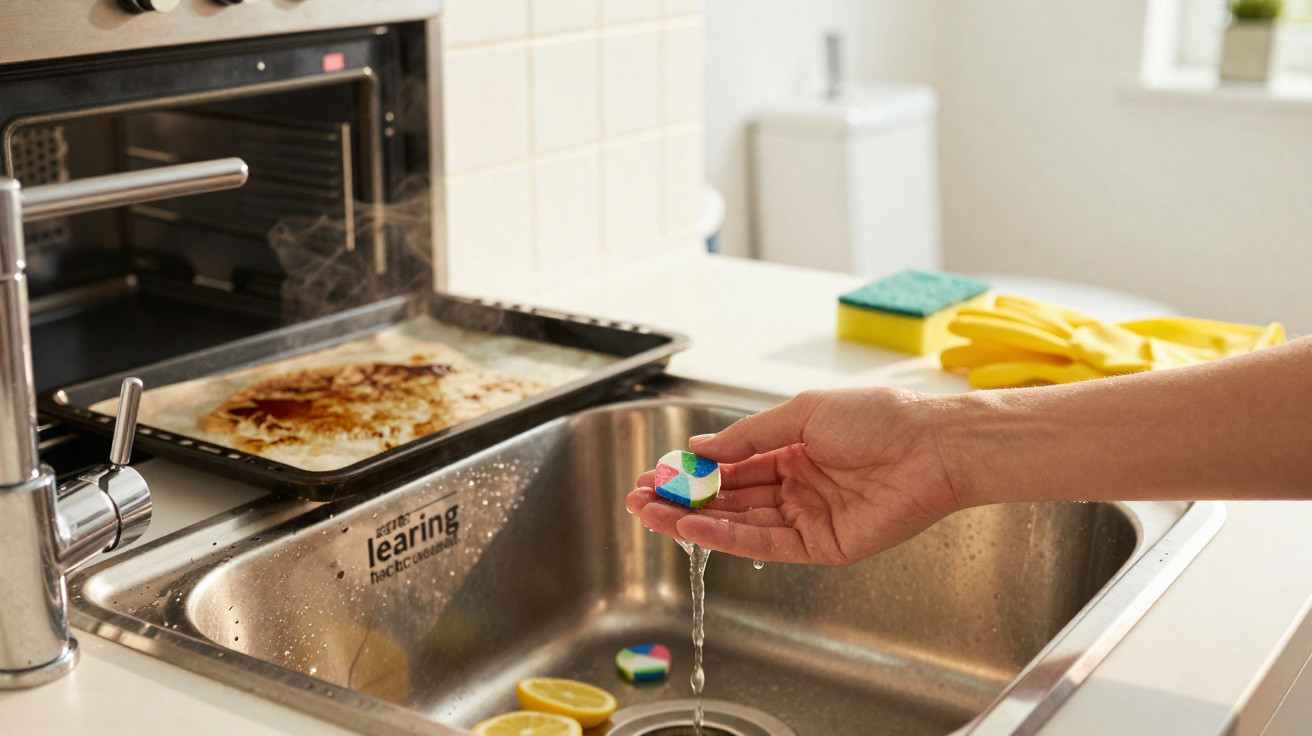
Anyone who enjoys DIY projects can even make small “tablets” from it: add a little water, shape small balls, let them dry and use them as single-use cleaners for stubborn spots. A simple leftover product thus becomes a small DIY project – and the morning coffee gets a second role around the home.


Comments
No comments yet. Be the first to comment!
Leave a Comment