
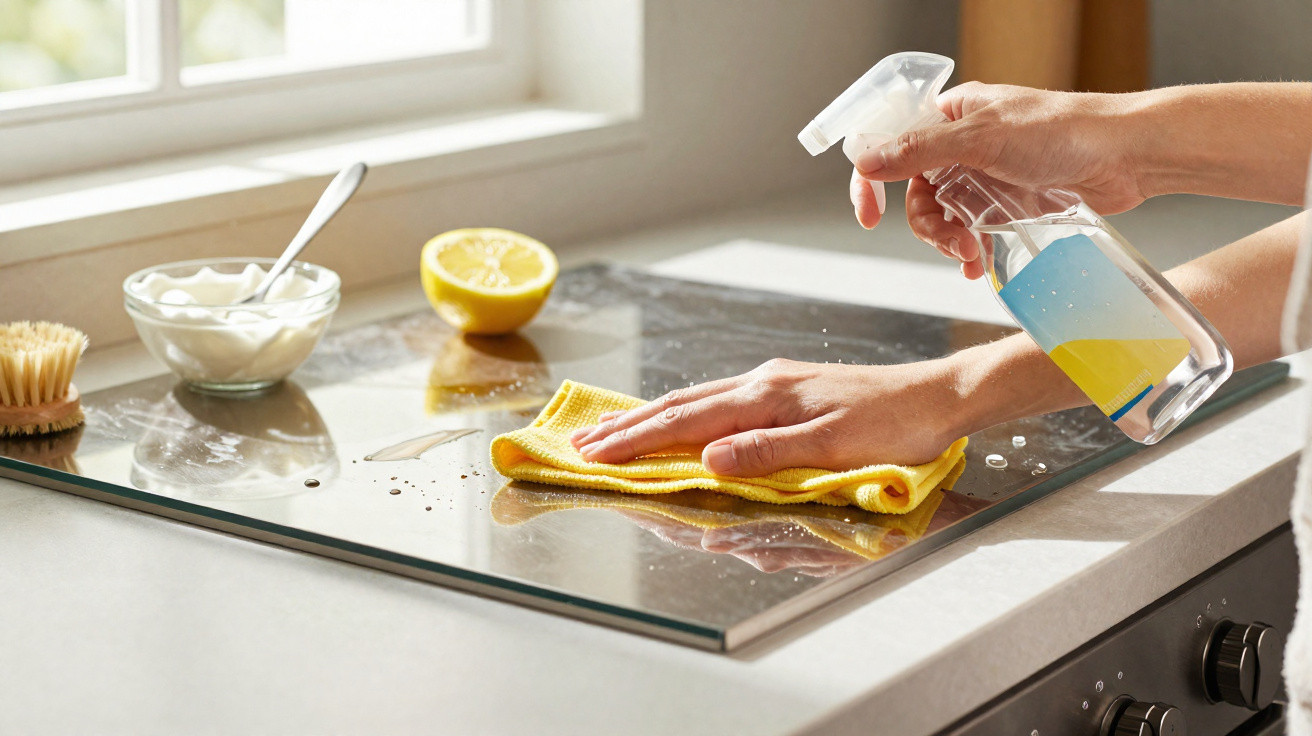
Keeping the kitchen organised after preparing daily meals calls for patience and effective techniques. When grease dries around the burners, lifting the grime without scratching the material can feel like a major household challenge for anyone who cleans the stove every day.
How can you remove baked-on grease without effort?
Built-up oil on surfaces requires a quick, completely safe solution. Choosing the right products means you will not have to scrub the base too hard, helping to preserve the appliance and restore an impeccable shine quickly.
Removing heavy stains soon after lunch or dinner makes the whole cleaning task easier. With the right approach, even the toughest crusts release readily from the material, making your kitchen routine far more practical and productive.
To help you manage this household task efficiently and quickly, we have put together a special selection of essential items for removing the worst crusts from your appliance without creating any unnecessary risk or damage:
- White vinegar: Works directly to soften heavy grease.
- Mild washing-up liquid: Lifts oil residue without harming the original shine.
- Hot water: Enhances the action of cleaning products on dried stains.
- Soft sponge: Removes crusts without scratching delicate surfaces.
- Dry cloth: Completes the process with a flawless, streak-free finish.
What are the best techniques for cleaning stainless steel and a cooktop?
Modern surfaces need particular care to prevent permanent marks or unwanted scratches during cleaning. Combining warm water with suitable soap breaks down oily films, keeping your cooktop looking its best for longer.
Treating stainless steel gently protects its coating against stubborn marks from different sauces. Avoiding steel wool and abrasive products is essential for safeguarding the surface, leaving the area completely clean and visually pleasant every day.
Below is an excellent video from the Consul YouTube channel, showing in detail how to maintain your worktop correctly, remove stains with complete ease and protect your valuable appliance against the wear of daily use:
How can sauce stains be removed quickly?
Tomato sauce splashes dry rapidly because of the residual heat around the burners. Applying a damp mixture as soon as the surface has cooled prevents pigments from setting, making the residue much more straightforward to remove.
Consul Golden Tip
The secret of prompt action
Vinegar breaks down grease molecules without damaging the protective enamel.
Applying it with a soft cloth delivers results without unwanted scratches.
Allowing the product to work for a few minutes is the key to softening dense crusts. This chemical action removes the need for physical force, saving your arms and helping your stove stay new.
To use this method properly in your everyday routine and achieve a perfect result, we have prepared a detailed list of the main practical recommendations for keeping your kitchen organised in a highly efficient and safe way:
- Clean the burners separately with mild washing-up liquid.
- Dry every part thoroughly before lighting them again.
- Avoid using abrasive steel-wool sponges.
How can you prevent scratches on the stove surface?
Using unsuitable rough materials can spoil the finish of your stainless-steel cooktop. Selecting microfibre cloths or the soft side of a sponge ensures daily cleaning remains gentle, effective and entirely free from permanent aesthetic damage.
Gentle circular motions help distribute cleaning products evenly across the hob surface. This simple practice prevents chemical residue from gathering around the edges, keeping the appliance looking refreshed and highly glossy for everyday use.
If you want to save time while keeping stainless steel impeccably shiny for entire weeks, see below for the essential care steps to include in your routine and protect your work area in a highly safe way:
- Use mild soap for every everyday wash.
- Dry the surface immediately to prevent water marks.
- Apply vinegar with cotton wool to more persistent stains.
How can you keep the appliance clean for longer?
Making a habit of wiping up splashes immediately after use prevents heavy dirt from building up. A quick wipe with a damp cloth removes fresh oil before it turns into crusts that are difficult to lift from your beautiful stove.
Protecting the areas around the burners with suitable preventative solutions saves time during more thorough weekly cleans. With these simple habits, cooking becomes an enjoyable activity, free from the constant worry of heavy cleaning in your home environment.
Read also: Japanese technique for removing stove grease without scrubbing



Comments
No comments yet. Be the first to comment!
Leave a Comment